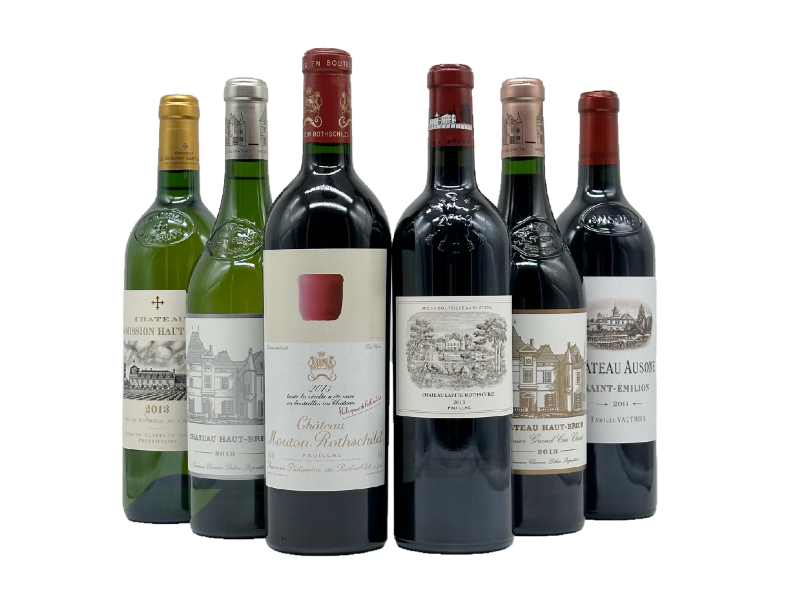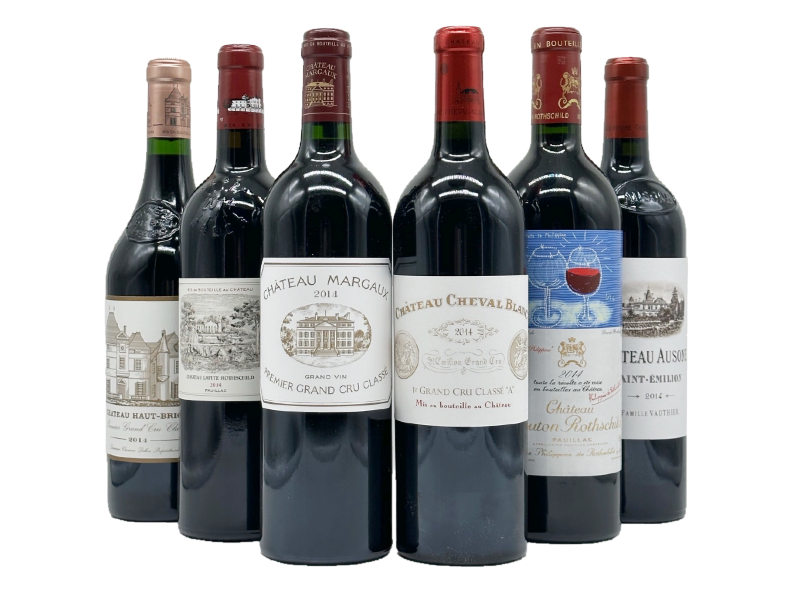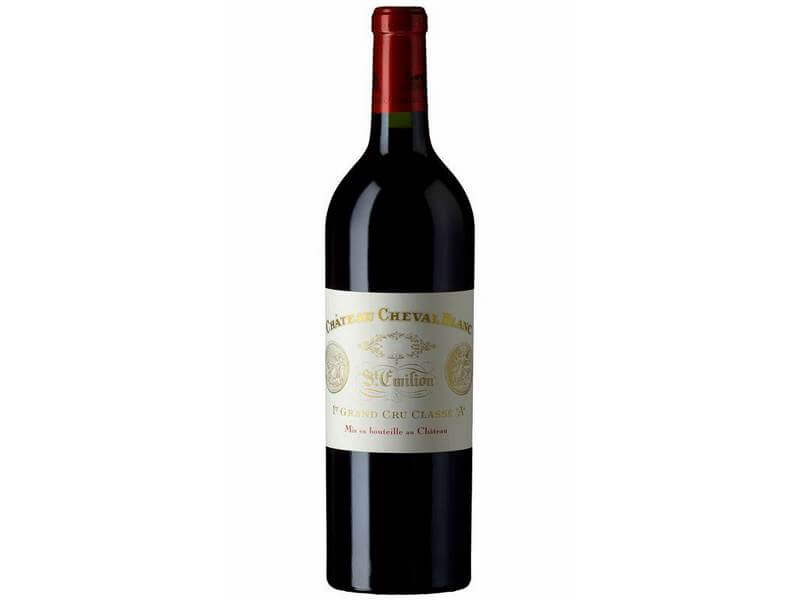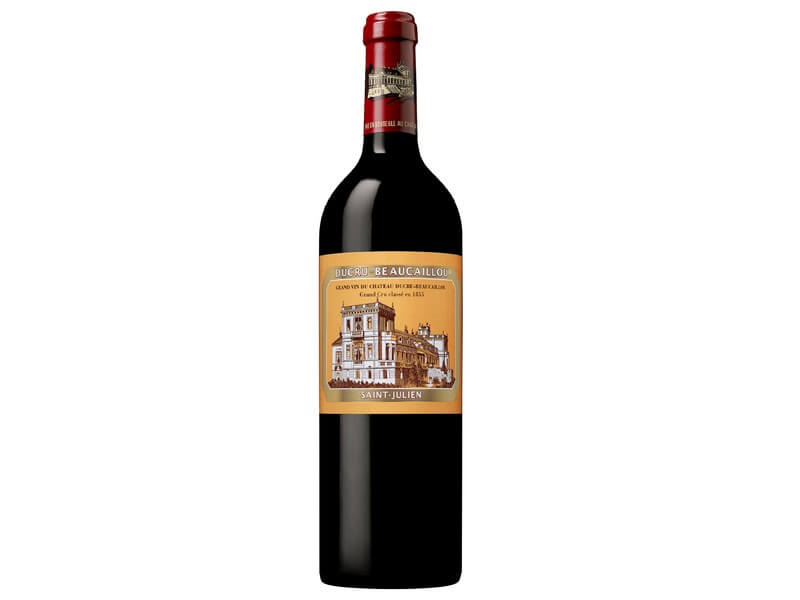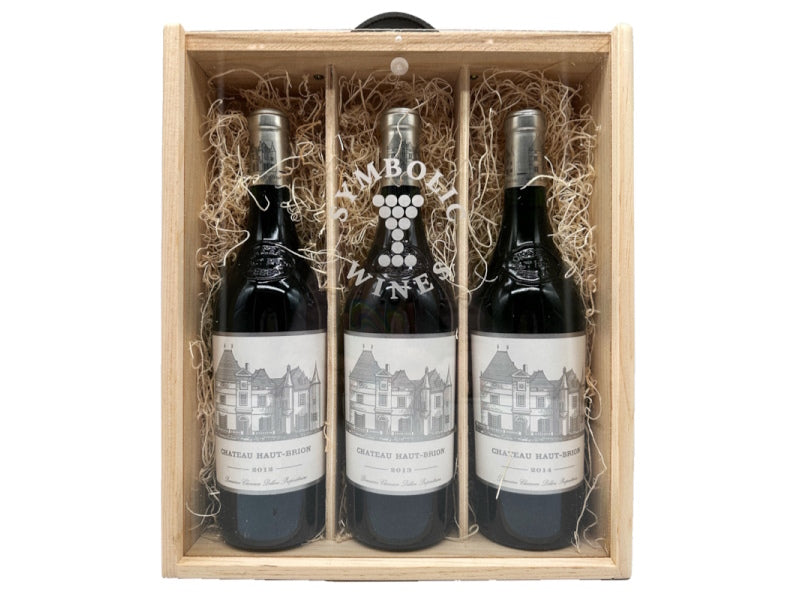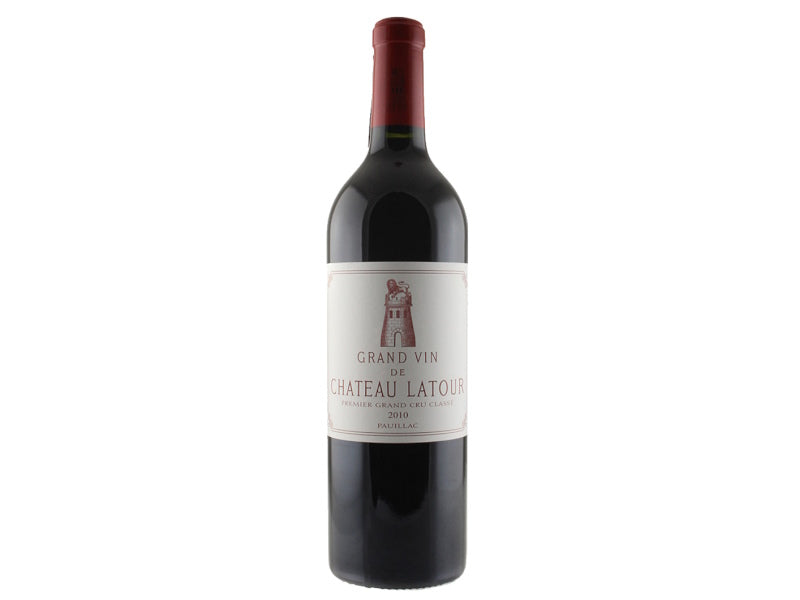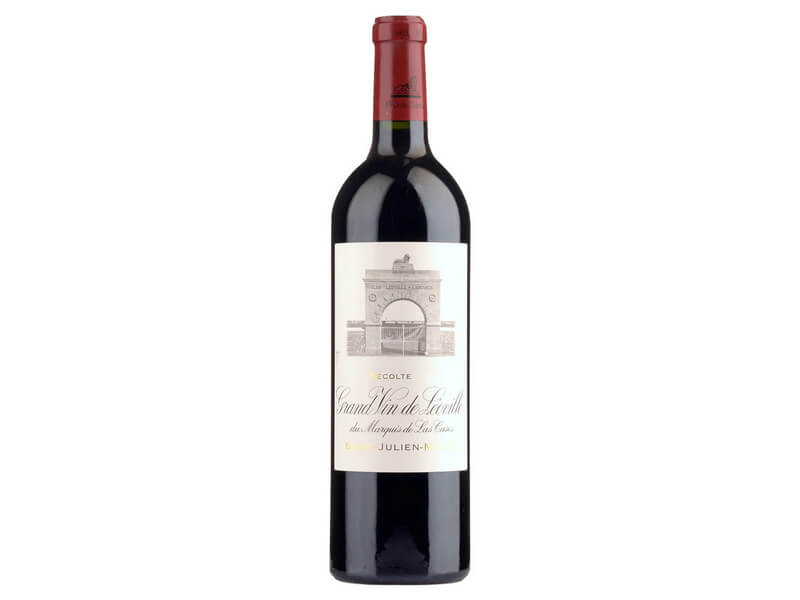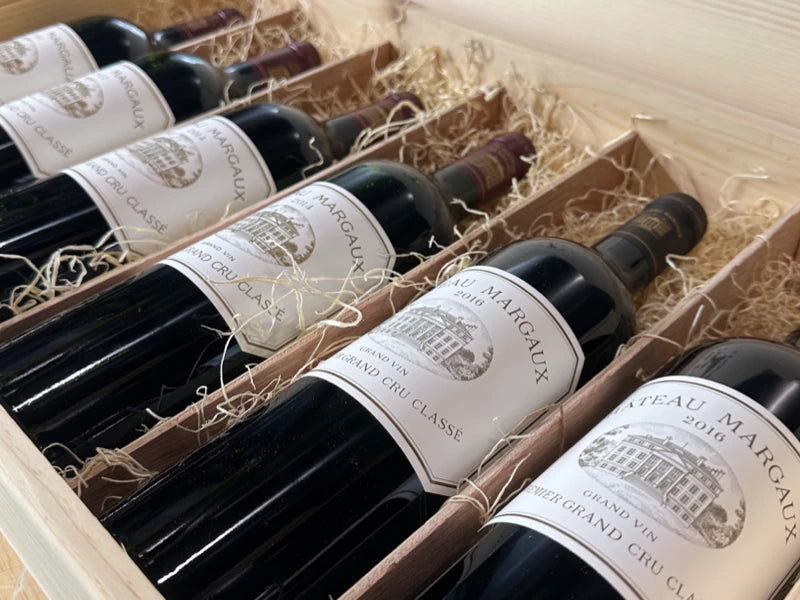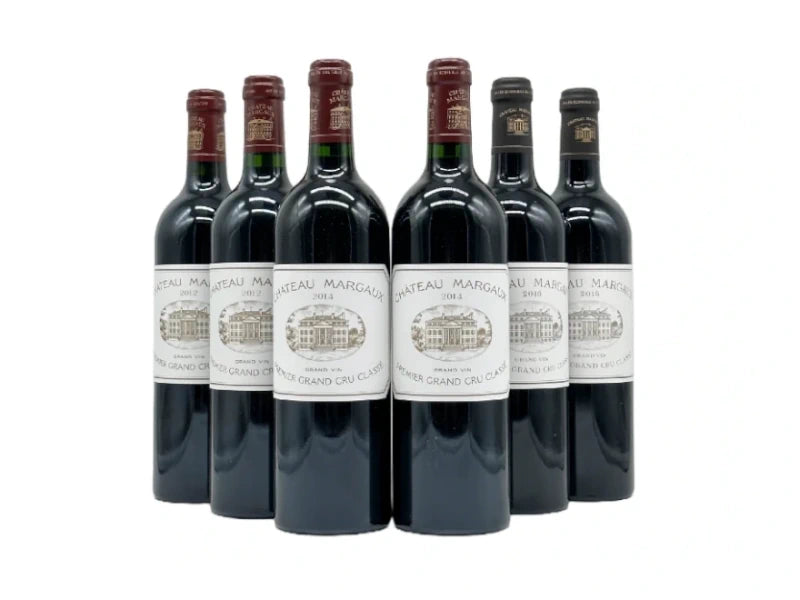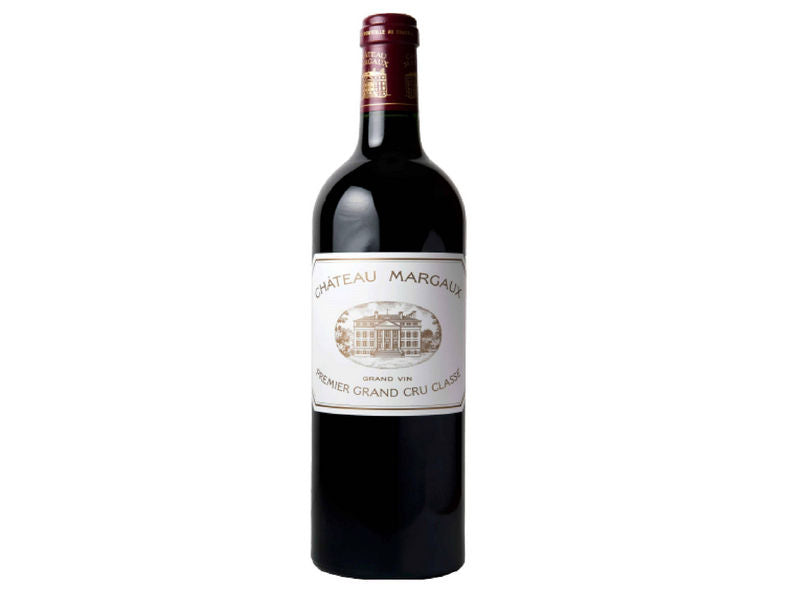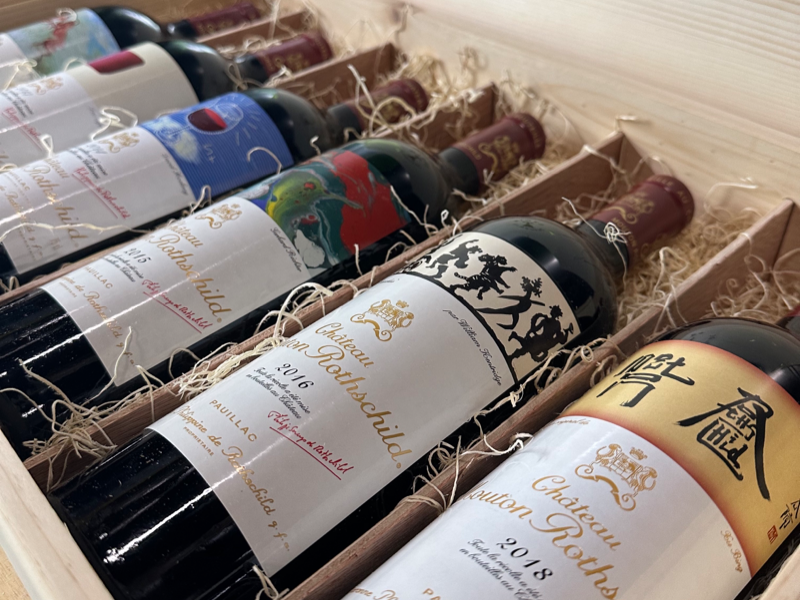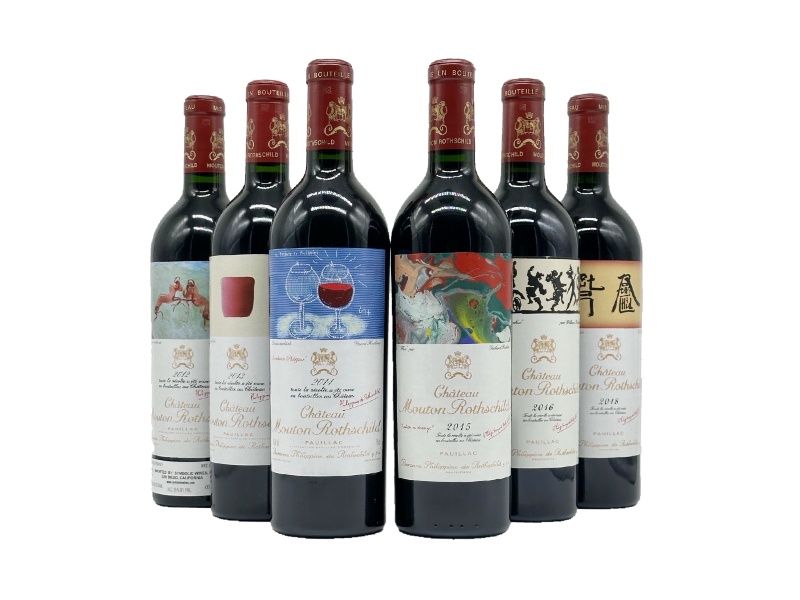


New U.S. tariffs on imported wine in 2026 are pushing prices up across the board, but they are also accelerating a quiet shift toward premium bottles – including top French and Italian wines and high‑end domestic labels.
On March 19, 2026, an in‑depth article from Big Hammer Wines broke down the impact of the latest U.S. wine tariffs applied under Section 122 of the Trade Act of 1974. As of March, a 10–15% duty now affects virtually all imported wine entering the country, with the president signaling an increase to the statutory maximum of 15%. Because these tariffs stack on top of shipping, insurance and the three‑tier distribution mark‑ups, even a 15% charge at the border can translate into an additional 3–8 dollars or more on the retail shelf.
Mid‑range European imports are hit hardest, particularly bottles in the 15–50 dollar range that form the backbone of many serious home cellars. The article notes that such wines are often 15–25% more expensive than they were a year before, compressing the value perception for everyday drinkers who rely on Bordeaux Supérieur, Cru Bourgeois, Chianti Classico or entry‑level grower Champagne. American wines are not completely sheltered either: roughly 70% of U.S. wine bottles (the glass itself) are imported, and barrels, corks and cellar equipment all carry their own tariff‑related surcharges.
Yet the piece makes a counter‑intuitive point: when tariffs inflate the price of a 12‑dollar import to 16 dollars, the relative gap between that bottle and a truly better 22‑dollar wine narrows. In other words, the extra money required to step up in quality becomes smaller than the absolute jump in pleasure and age‑worthiness, reinforcing a long‑running premiumization trend. For buyers of fine wine, this environment argues for moving up the ladder – choosing fewer, better bottles from trusted producers with impeccable provenance rather than chasing “bargains” that no longer exist.
For importers and specialist retailers, the 2026 tariff landscape demands smarter curation and clear communication. Explaining why a carefully shipped, estate‑bottled Burgundy or Napa Cabernet now costs slightly more – and why its real value per sip is still attractive compared with compromised alternatives – becomes a core part of the sales story. In the end, tariffs may reduce casual volume, but they are also teaching consumers to think and drink like collectors.
Sources: Big Hammer Wines
Picture: Gemini AI