

Even as demand shifts and climate pressure mounts, the Champagne region is grappling with pricing tensions while quietly embracing satellite‑driven viticulture to safeguard the future of luxury bubbles.
Industry digest from WineLabs.ai paints a nuanced picture of Champagne in the current cycle. On one hand, producers are facing what the report calls “Champagne pricing tensions,” as higher input costs, global economic uncertainty and evolving demand raise questions about where price ceilings might lie. On the other hand, the same piece highlights how leading houses and grower collectives are investing in advanced precision‑viticulture tools to maintain quality and resilience.
Central to this technological pivot is the use of hyperspectral satellite monitoring, which allows viticulturists to map vine vigor, water stress and disease pressure with far greater accuracy than traditional visual inspections. Combined with on‑ground sensors, this data helps growers fine‑tune canopy management, irrigation and harvest timing, ultimately preserving the balance and acidity that Champagne is famous for. In an era of warmer vintages and more frequent extremes, such tools may be the difference between merely good and truly great base wines.
The digest also notes growing regional collaborations where producers share agronomic data and jointly test new practices, from cover‑crop mixes to reduced herbicide regimes. These initiatives are designed to keep Champagne’s qualitative edge while responding to consumer expectations around sustainability and transparency. For high‑end importers and collectors, this means that the luxury cuvées of tomorrow will increasingly be backed not only by heritage and brand, but by verifiable environmental and technical credentials.
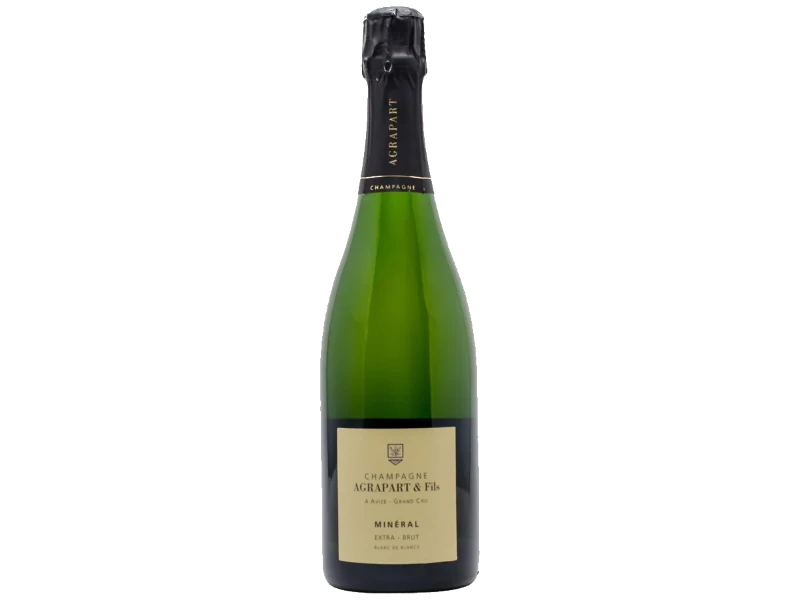
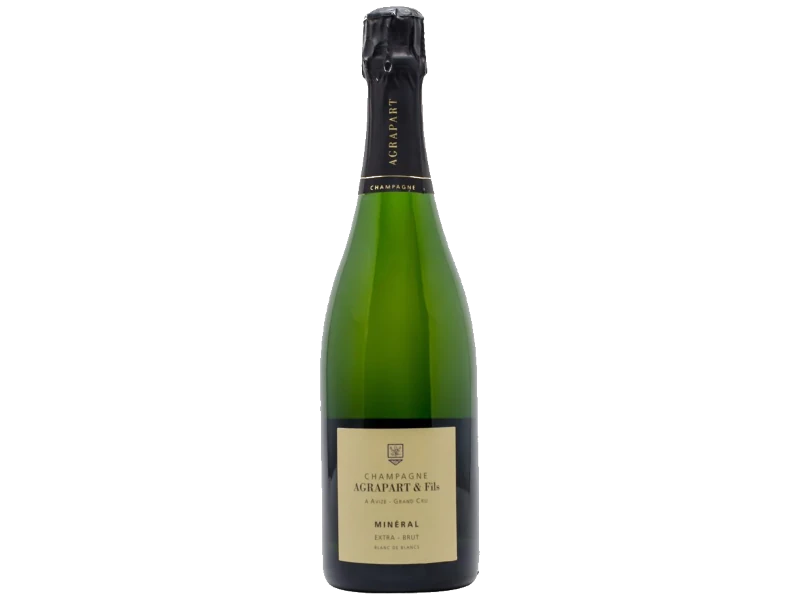
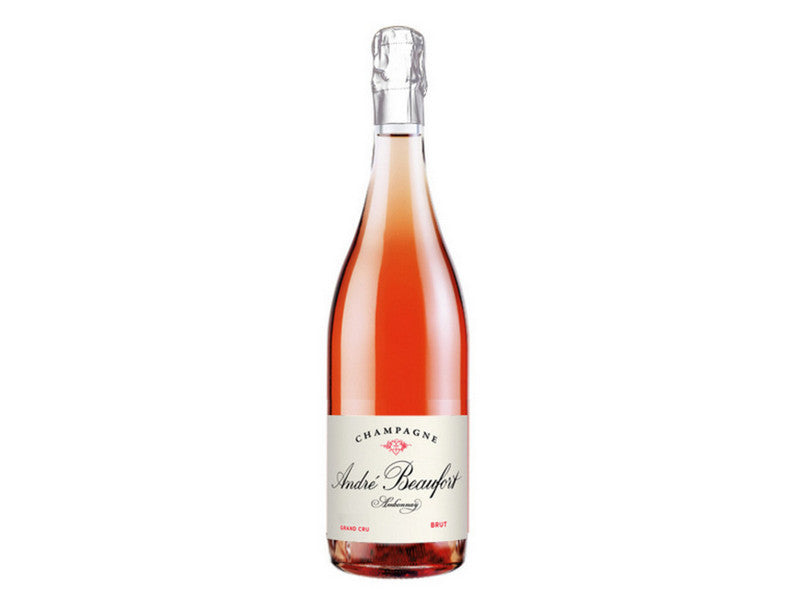
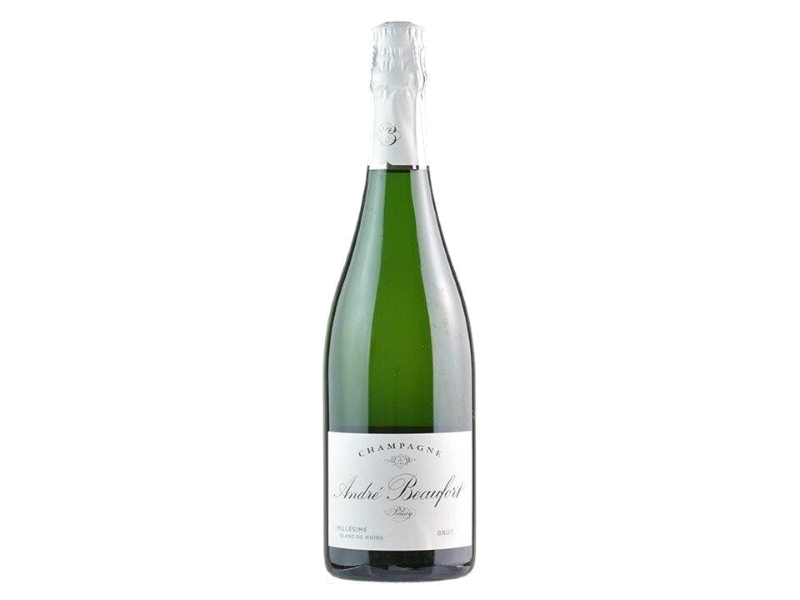
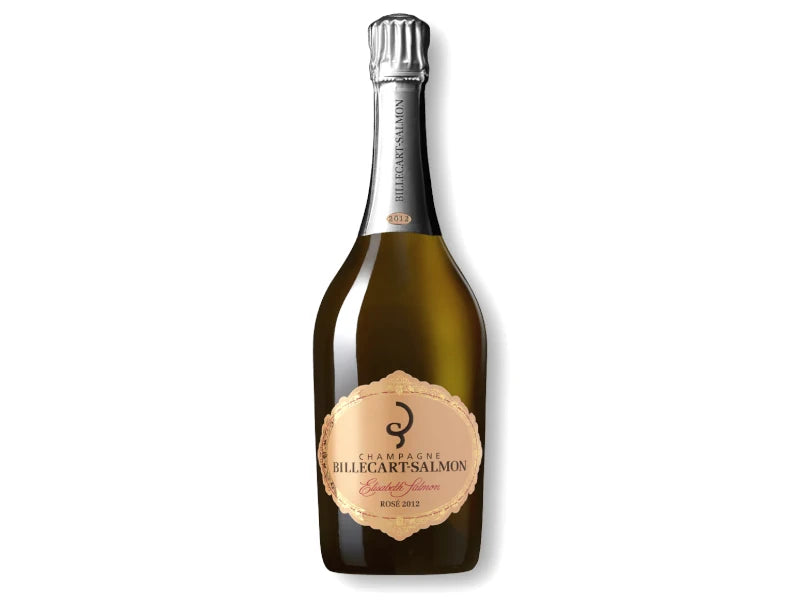
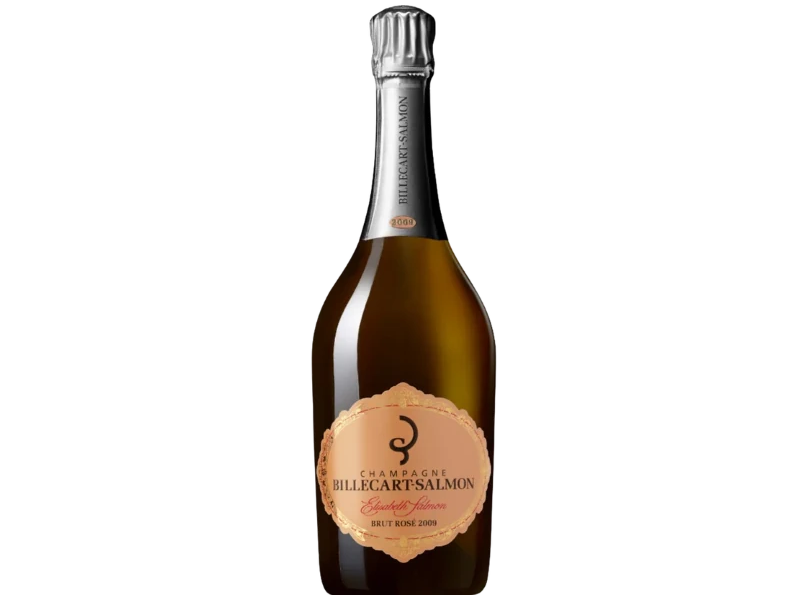
Pricing remains a delicate topic, with some markets pushing back against the steep increases of recent years. Yet the report suggests that top‑tier cuvées with strong narratives – single‑parcel bottlings, long‑aged vintages, grower Champagnes from specific lieux‑dits – continue to enjoy healthy demand, especially when allocations are tight. For retailers who specialize in premium European and Californian wine, the 2026 message from Champagne is clear: stock fewer, better references and be ready to talk not just about dosage and grape blend, but also about satellites and soil health.
Sources: WineLabs.ai
Picture: Google AI