

Michel Rolland, the globetrotting Bordeaux oenologist whose consulting reshaped premium wines worldwide, died on March 20, 2026, from a sudden heart attack at age 78. Born on December 24, 1947, in Libourne, France, he grew up on his family's Château Le Bon Pasteur estate in Pomerol, immersing himself in Right Bank Merlot culture.
Early Life and Education
Rolland graduated from Bordeaux's School of Viticulture and Oenology at La Tour Blanche in 1970, then earned his enology degree from the University of Bordeaux's Institut d’Oenologie in 1972, where he met his wife Dany. In 1973, they founded an oenological lab in Libourne; after his father's 1979 death, they managed family properties like Château Le Bon Pasteur (Pomerol), Château Rolland-Maillet (St.-Emilion), and Château Bertineau Saint-Vincent (Lalande de Pomerol). They later bought Château Fontenil in Fronsac (1986), their only remaining family-owned Bordeaux estate, plus Argentinian ventures Val de Flores, Bodega Rolland, and a Napa 'MR' project.
Winemaking Methods and Global Impact
Rolland pioneered the "flying winemaker" model in the 1980s, consulting over 150 wineries in 20+ countries with techniques like extended maceration, micro-oxygenation, low yields, riper harvests for concentration, and new oak for polished tannins—creating opulent, fruit-forward, approachable premium reds. His blending prowess unlocked diverse terroirs, emphasizing ripe fruit, silky textures, and critic-pleasing balance, though critics sometimes called it homogenizing.
In Bordeaux, he elevated Château Figeac, La Conseillante, and Pontet-Canet. Napa icons like Harlan Estate, Screaming Eagle, Bryant Family Vineyard, Dalla Valle, Araujo, and Staglin's Rutherford winery credit him for cult Cabernet success via extraction and ripeness. In South America, he polished Argentina's Malbec at Yacochuya, Clos de los Siete (his project), and Clos Apalta (Chile); his first non-Bordeaux client was Simi Winery (1987). Italy's Ornellaia and projects in South Africa, India, Spain, Croatia, and Israel also bore his signature.
Cultural Legacy and Later Years
Rolland starred in Mondovino (2004), spotlighting globalization, and El Camino del Vino (2010). He sold majority stakes in family estates (2013) and his lab (2020) to focus on select clients and family, with daughters Stéphanie and Marie involved.
"Rollandization" Style Defined
Rollandization refers to the distinctive winemaking approach pioneered by Michel Rolland. It produces lush, fruit-forward premium wines with ripe tannins, rich concentration, and broad critic appeal through techniques like late harvesting, extended maceration, micro-oxygenation, and new oak aging.
Key Techniques
-
Ripeness Focus: Harvesting at optimal maturity for deep fruit flavors and softer tannins, avoiding green notes.
-
Extraction Methods: Prolonged skin contact and gentle micro-oxygenation to build structure and silkiness without harshness.
-
Oak Influence: Strategic new French oak for vanilla-spice layers that enhance approachability.
Global Examples
This style shines in Napa's Harlan Estate and Screaming Eagle (powerful Cabernets), Chile's Clos Apalta (Syrah blends), and Argentina's Yacochuya Malbecs—all gaining cult status via Rolland's input.
Symbolic Wines' Mourning
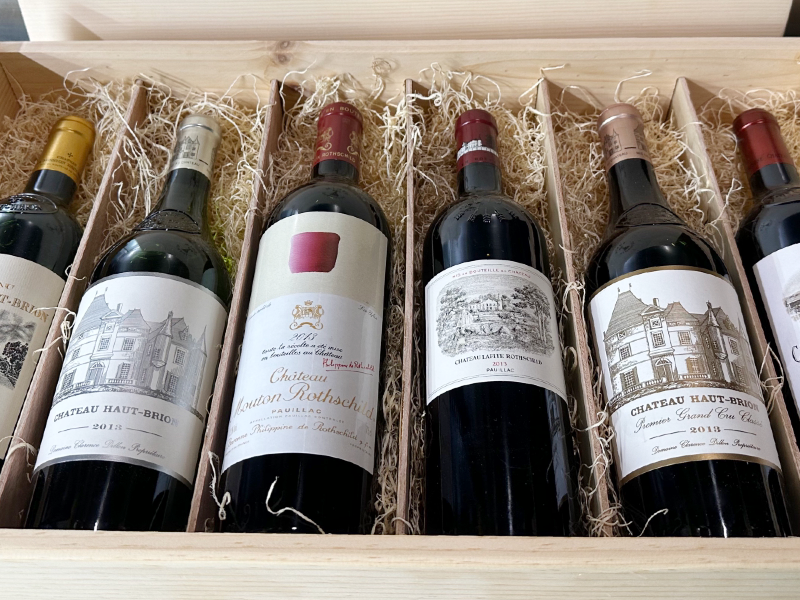
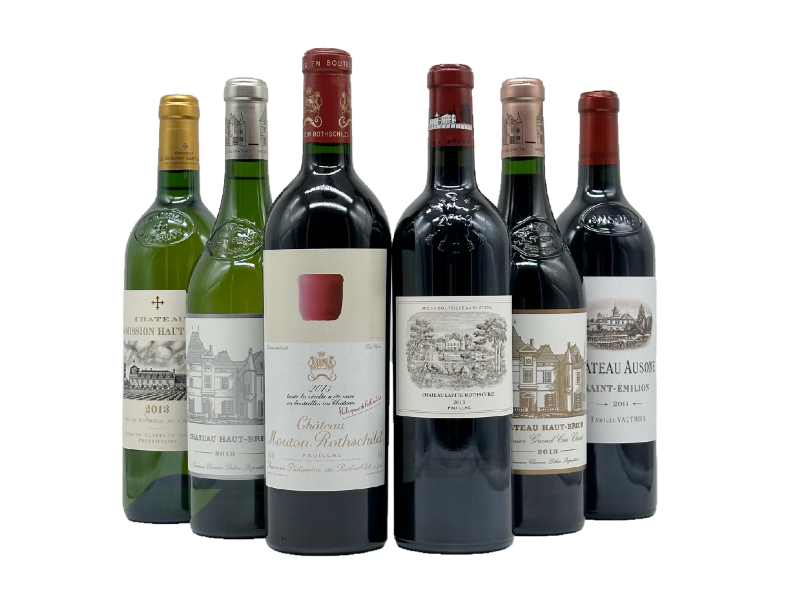
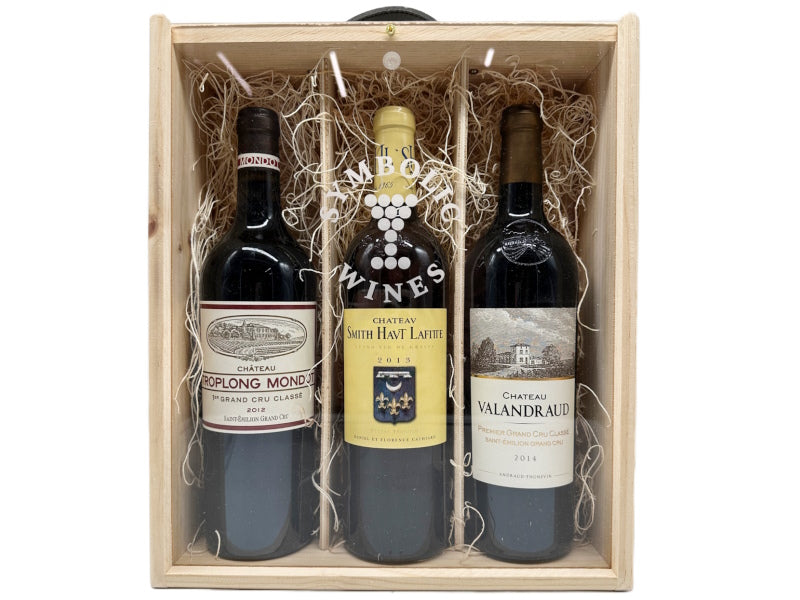
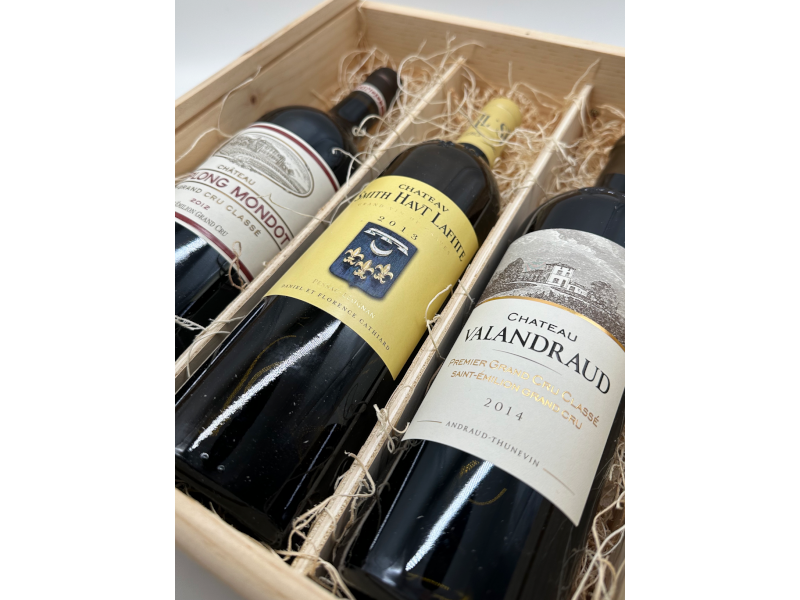
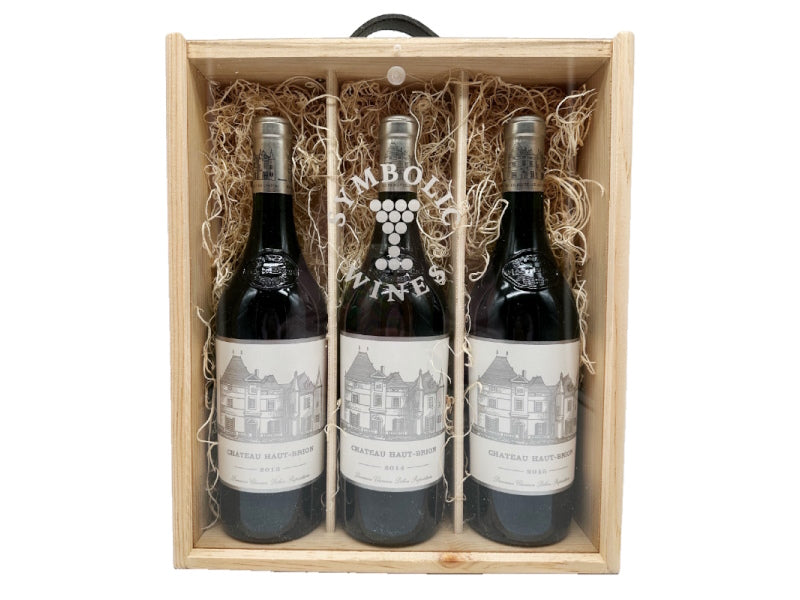
Symbolic Wines' team profoundly grieves Michel Rolland, whose innovative methods advanced Bordeaux's modern icons and global premium wines. His legacy of excellence endures in every bottle we cherish.
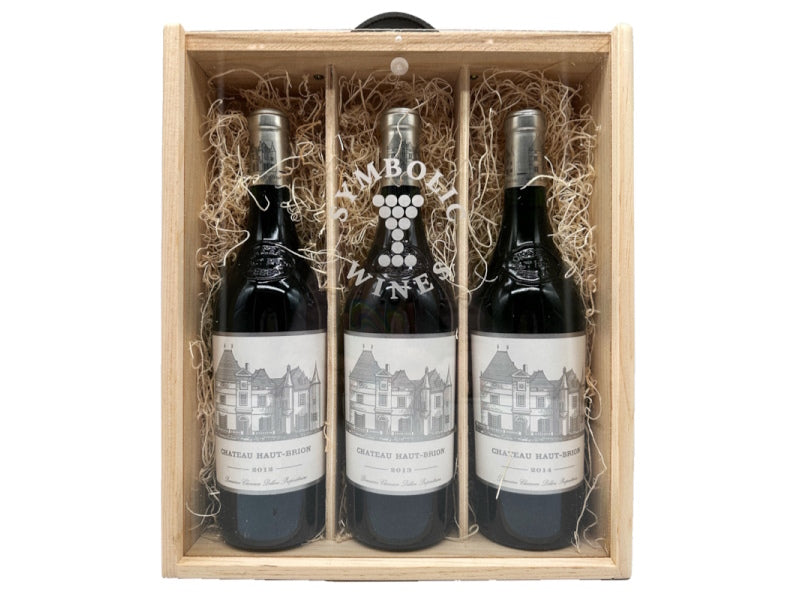
Photo: Symbolic Wines