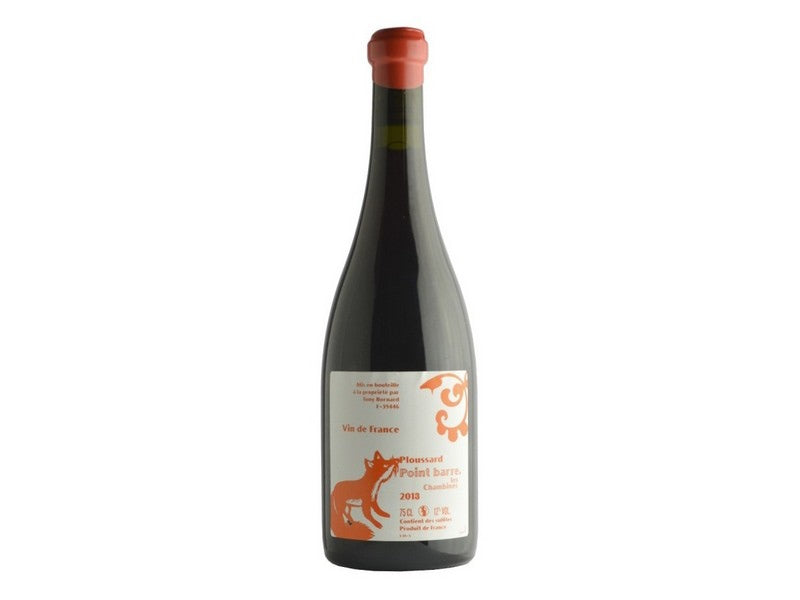


The Pineau d'Aunis grape is enjoying a dramatic resurgence, championed by pioneering natural winemakers like Jean-Pierre Robinot. Once a dominant red grape in the Loire Valley, Pineau d'Aunis faded into obscurity but is now celebrated by sommeliers and collectors for its unique structural profile, signature white pepper notes, and vibrant acidity.
Hidden within the cool, limestone-carved shadows of the Loire Valley, an ancient titan is waking from a century-long slumber. The Pineau d'Aunis grape—once a forgotten relic of a bygone era—is currently staging one of the most dramatic comebacks in the world of fine wine. This isn't just a grape; it is a time traveler from the 9th century, a noble variety that was famously favored by King Henry III of England, who insisted on importing it for the royal court during the Middle Ages. Despite its royal pedigree, it nearly vanished in the 20th century as vineyards were systematically ripped out to make way for easier, higher-yielding international varieties.
Today, what remains is a treasure for the few who know where to look. With only about 400 to 500 hectares left in all of France, primarily tucked away in the tiny, specialized appellations of Coteaux-du-Loir and Jasnières, Pineau d'Aunis has become the ultimate "insider" secret. Its survival is a testament to its singular, defiant character: a grape that refuses to be tamed by modern technology or masked by heavy oak.
The allure of Pineau d'Aunis lies in a flavor profile that borders on the supernatural for a red wine. It is naturally loaded with rotundone, the exact same aromatic compound that gives high-end Syrah its peppery punch. In the glass, this translates into a sharp, intoxicating explosion of white pepper that defines its bouquet. Yet, beneath this spicy exterior, the wine is surprisingly ethereal. It pours a pale, translucent ruby—often described as "partridge eye"—and delivers a silky, light-to-medium body that dances on the palate with notes of tart cranberry, wild raspberry, rose petals, and woodsmoke.
What makes this grape truly "blockbuster" material is its radical transparency. Because of its thin skins and delicate fruit, Pineau d'Aunis acts as a perfect, unadulterated lens for the flint (silex) and limestone soils of the Loire. In the hands of masters like Jean-Pierre Robinot, who ages these wines for years in ancient caves, the grape transforms into a structured vin de garde. It maintains a "crunchy" freshness and high natural acidity even in scorching years, providing a balance and longevity that many riper modern reds can only dream of. For those lucky enough to secure a bottle sourced from centenarian vines—some over 110 years old—the experience is one of profound depth that can age gracefully for decades.
The Defining Characteristics
Pineau d'Aunis is prized because it maintains a distinct profile, setting it apart from other Loire reds, such as Cabernet Franc:
-
Color and Body: It produces pale to medium-bodied wines, often with a delicate ruby or raspberry hue.
-
The Signature Spice: The most defining characteristic is the pronounced white pepper and baking spice note. This peppery spice is often accompanied by notes of cranberry, tart red cherry, and raspberry.
-
Structure: The grape retains high natural acidity and possesses firm, yet elegant, tannins. This combination makes the wines incredibly versatile with food.
Why Collectors Are Turning to Pineau d'Aunis
The grape’s rising popularity is driven by modern consumer tastes and the excellence achieved by dedicated growers:
-
Natural Wine Focus: Natural winemakers, including Jean-Pierre Robinot, have embraced Pineau d'Aunis because its complex natural profile shines without the intervention of new oak or high amounts of sulfur. It is considered one of the purest expressions of terroir.
-
High Acidity and Freshness: As global temperatures rise, the grape's ability to maintain high acidity and freshness is highly valued, contrasting with riper styles found elsewhere.
-
Food Versatility: The distinct pepper notes and light body make it an ideal pairing for charcuterie, poultry, and lighter winter dishes, securing its place on sommelier lists worldwide.
-
Rarity: Given the small acreage and its concentration in just a few appellations, Pineau d'Aunis offers collectors a unique, scarce alternative to more common varieties.

The work of producers like Robinot, who use Pineau d'Aunis to create wines with exceptional structure and longevity (such as his Cuvée Camille Robinot 2018 from centenarian vines), proves that this historic grape is built for the cellar.
Why Collectors Should Care
-
Unique Flavor Profile: The signature white pepper, combined with tart red fruit, is unmatched in the red wine category, offering a compelling addition to any collection.
-
Longevity: Its firm acidity and structured tannins ensure excellent aging potential, contrasting with many modern light reds.
-
Terroir Transparency: It is a high-demand grape among natural wine purists, meaning bottles often showcase true terroir with minimal intervention.
-
Rarity Factor: With so few hectares in existence, top-tier Pineau d'Aunis is a true "insider" wine with limited annual availability.
-
Versatile Food Pairing: Its high acidity and spice make it a favorite for sommeliers, pairing effortlessly with everything from charcuterie and poultry to spicy fusion cuisine.
Source: Les Vins de Loire, Jancis Robinson, Candid Wines, Wine-Searcher, SevenFifty Daily, Leon & Son Wine and Spirits, Wine Folly, Wine Scholar Guild, The Wine Merchant, Kermit Lynch Wine Merchant
Art - Gemini AI