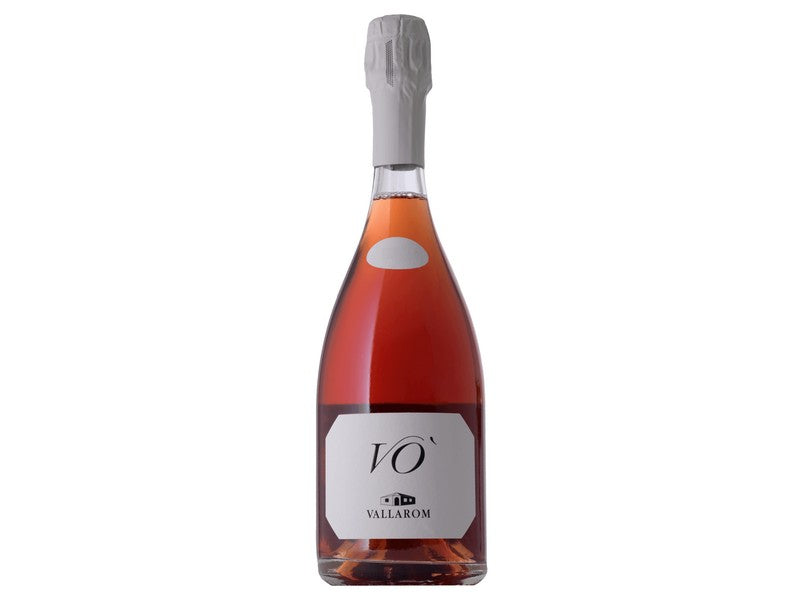


Climate change continues to be the dominant long-term factor reshaping the European fine wine landscape, leading to earlier harvests, higher sugar levels, and regional adjustments in vineyard management and varietal choices. Recent data emphasizes the ongoing pressure on classic cool-climate areas and the increasing suitability of previously marginal regions.
Key Impacts and Observed Shifts
The primary impact across premium European regions is the acceleration of the grape growing cycle. The period between budbreak and harvest has significantly shortened over the last two decades.
-
Earlier Harvest Dates: In classic regions like Bordeaux and Burgundy, harvest dates are now, on average, 2–4 weeks earlier than they were just 40 years ago. This compression of the growing season increases the risk of accumulating sugar too quickly (leading to high alcohol) before phenolic maturity (tannins, color, and flavor) is achieved.
-
Varietal Adaptation in Bordeaux: The Bordelais are increasingly using their Vitis Vinifera derogation, which allows the experimental planting of seven new, heat-tolerant varieties. These include Touriga Nacional and Marselan, which are being tested for their ability to maintain acidity and ripen later in hotter years, securing the region's classic structural profile.
-
The Rise of Northern Regions: Regions previously considered too cold for full ripening are now consistently producing higher-quality wines. The UK has seen a dramatic increase in acreage, particularly for sparkling wine production (Chardonnay, Pinot Noir), and is now attracting investment from established Champagne houses. Similarly, high-altitude vineyards in regions like the Aosta Valley (Italy) and Germany's cooler sites are gaining premium status due to better maintenance of acid structure.
Water Scarcity and Extreme Weather
Beyond heat, water management and unpredictable weather patterns are creating major challenges.
-
Drought Stress: Southern European regions, particularly the Douro Valley (Portugal), much of Spain, and parts of Southern Italy, are grappling with chronic water scarcity. This reduces yields and stresses vines, necessitating a shift toward drought-resistant rootstocks and reliance on older, deep-rooted bush vines.
-
Frost and Hail Volatility: While overall temperatures rise, the frequency and severity of early spring frost events and summer hail storms have increased. Burgundy and the Loire Valley, in particular, have invested heavily in frost mitigation systems (e.g., wind machines, heating cables) to protect early-budding, high-value vineyards.
This accelerated climatic trend forces winemakers to prioritize resilience through strategic vineyard location, advanced irrigation techniques, and the continued selection of appropriate, climate-resistant grape varieties.
Why Collectors Should Care
-
Vintage Volatility: Collectors must be more selective, as a great vintage in a cool region may now be defined by heat management, leading to less consistent quality year-to-year.
-
Investment Shifts: Investment is moving toward historically cooler, high-altitude, or coastal areas (e.g., England, high-altitude Italian sites) that now possess the optimal conditions for classic acid-driven styles.
-
Style Change: Expect a continued trend toward riper, higher-alcohol styles in traditional regions, making older, cooler-vintage wines (e.g., pre-2000s Bordeaux) increasingly scarce and valuable.
Source: European Wine Institute Climate Data Analysis, 2025-10-30
Corroborating Sources: Jancis Robinson (2025-10-25), Decanter Magazine (2025-10-18)