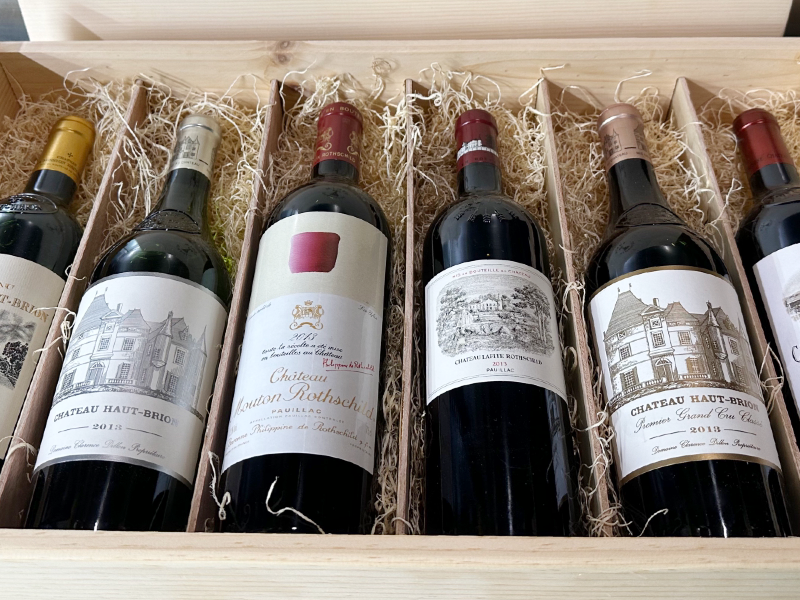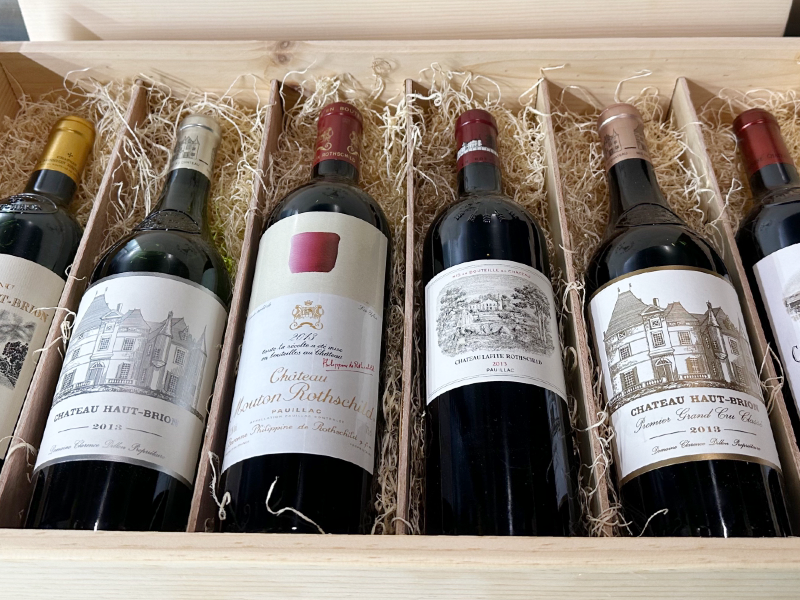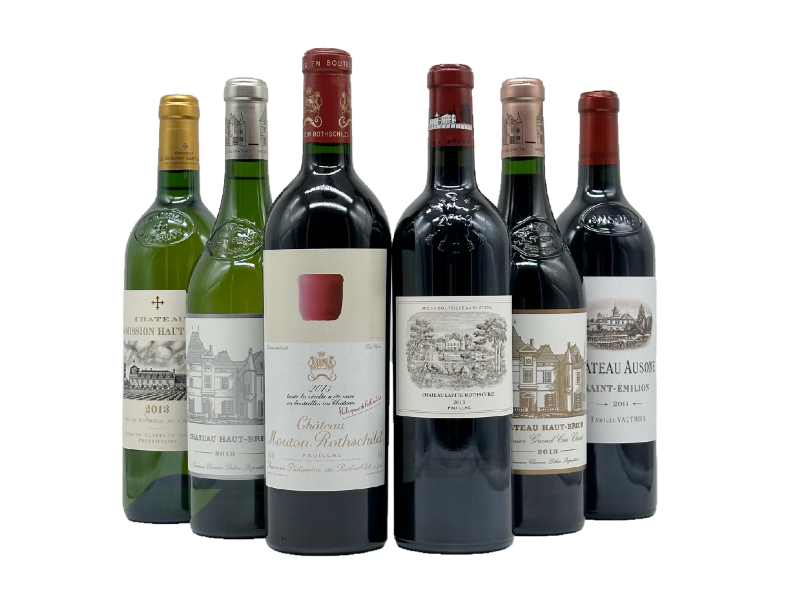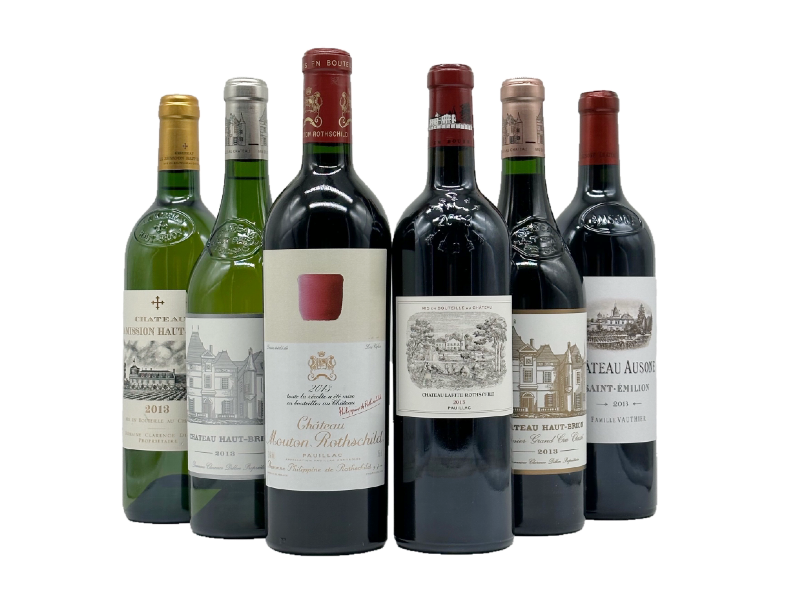


A comprehensive guide to the differences between Bordeaux's Left Bank and Right Bank. Explore the unique terroir, dominant grape varieties, and wine styles that define these two iconic regions. Learn why these distinctions matter to wine collectors and discover your next favorite bottle.
In the world of fine wine, few rivalries are as storied or significant as the one between the Left Bank and Right Bank of Bordeaux. It’s a tale of two distinct personalities, a friendly yet fierce competition rooted in geology, geography, and generations of winemaking tradition. But this is no mere squabble over bragging rights; the differences between these two banks of the Gironde estuary are profound, shaping the character of the wines in ways that every true oenophile should understand.
So, pour yourself a glass of your favorite claret as we journey into the heart of Bordeaux to explore why the divide between the Left and Right Bank is much more than just water under the bridge.
The Great Divide: A Tale of Two Rivers
To understand Bordeaux, one must first understand its geography. The region is defined by the Gironde estuary, which is formed by the confluence of two major rivers: the Garonne and the Dordogne. These waterways create a natural Y-shaped division, carving the landscape into three distinct areas: the Left Bank, the Right Bank, and the Entre-deux-Mers ("between two seas").
-
The Left Bank: Situated to the west and south of the Garonne River, the Left Bank is a flat, low-lying landscape that faces the Atlantic Ocean. This is the historic heart of Bordeaux's commercial wine trade and home to some of the world's most famous wine estates.
-
The Right Bank: To the east and north of the Dordogne River lies the Right Bank. Its landscape is characterized by rolling hills and a slightly more continental climate, sheltered from the harshest Atlantic influences.
While the distance between the two banks is not vast, the geological and viticultural differences are immense, leading to the production of two very different styles of wine.
The Soul of the Soil: Gravel vs. Clay
The adage "great wine is made in the vineyard" is perfectly illustrated in Bordeaux, where the soil composition of each bank is the single most important factor in determining which grapes are grown and the resulting style of the wine.
-
The Left Bank: A Sea of Gravel
The terroir of the Left Bank is dominated by gravelly soils, with deposits of pebbles and stones that can be several meters deep. These gravel beds, left behind by ancient river flows, are crucial for several reasons:-
Excellent Drainage: The gravel allows rainwater to drain away quickly, preventing the vines from becoming waterlogged. This forces the roots to dig deep in search of water and nutrients, resulting in grapes with more concentrated flavors.
-
Heat Retention: The stones absorb the heat of the sun during the day and radiate it back to the vines at night, aiding in the ripening of the grapes, particularly the thick-skinned Cabernet Sauvignon.
-
-
The Right Bank: The Reign of Clay and Limestone
On the Right Bank, the soils are richer in clay and limestone. This terroir offers a different set of advantages:-
Water Retention: Clay soils are much more effective at holding water than gravel. This is ideal for Merlot, a grape that thrives in cooler, more humid conditions.
-
Cooler Temperatures: The clay soils remain cooler than the gravel of the Left Bank, which helps to preserve the acidity and fruit-forward character of the Merlot grape.
-
The Grapes of Banks: A Tale of Two Kings
The differences in terroir naturally led to the dominance of different grape varieties on each bank. While most Bordeaux wines are blends, the lead grape in the blend tells you a lot about which bank it comes from.
-
The Left Bank: The Kingdom of Cabernet Sauvignon
Cabernet Sauvignon is the undisputed king of the Left Bank. It thrives in the well-drained, gravelly soils, which provide the perfect conditions for this late-ripening grape to reach full maturity. Left Bank wines are typically blends dominated by Cabernet Sauvignon, with Merlot, Cabernet Franc, Petit Verdot, and Malbec playing supporting roles. The Cabernet Sauvignon imparts power, structure, and high levels of tannin, giving these wines their signature longevity. -
The Right Bank: The Empire of Merlot
On the Right Bank, Merlot is the star of the show. It adores the cool, water-retentive clay and limestone soils, which allow it to develop its characteristic plummy fruit, soft tannins, and luscious texture. Right Bank blends are predominantly Merlot, often with a significant proportion of Cabernet Franc, which adds floral and spicy notes, as well as structure for aging.
The Style in the Bottle: Power vs. Plushness
The differences in terroir and grape varieties translate into two distinct, yet equally compelling, wine styles:
-
Left Bank Wines: Structured and Age-Worthy
The Cabernet Sauvignon-driven wines of the Left Bank are known for their power, structure, and elegance. They are typically full-bodied with firm tannins and a complex bouquet of dark fruits (blackcurrant, black cherry), cedar, tobacco, and graphite. These wines are built for the long haul, often requiring several years of cellaring to soften their tannins and reveal their full aromatic complexity. -
Right Bank Wines: Rich and Approachable
The Merlot-dominant wines of the Right Bank are celebrated for their rich fruit, opulent texture, and approachability in their youth. They are generally softer and plusher than their Left Bank counterparts, with flavors of ripe plum, black cherry, and chocolate, often with a velvety mouthfeel. While many Right Bank wines can be enjoyed young, the best examples, particularly from Pomerol and Saint-Émilion, have the structure and complexity to age for decades.
3 Reasons Why Collectors Should Care
For the discerning collector, understanding the nuances between the Left and Right Banks is not just an academic exercise; it's essential for building a truly world-class cellar. Here's why:
-
Aging Potential and Investment: The high tannin content and structure of Left Bank wines make them ideal candidates for long-term aging and investment. The best châteaux of the Médoc have a proven track record of appreciating in value over time. Conversely, the top wines of the Right Bank, particularly the rare and sought-after bottlings from Pomerol, can command even higher prices due to their scarcity.
-
Diversification of Your Portfolio: A well-rounded Bordeaux collection should include representatives from both banks. This allows you to appreciate the full spectrum of styles that this iconic region has to offer, from the powerful and majestic Cabernet Sauvignons of the Left Bank to the seductive and opulent Merlots of the Right Bank.
-
Understanding Appellations and Classifications: The Left Bank is home to the famous 1855 Classification of the Médoc, which ranked the top châteaux into five tiers, from First to Fifth Growths. The Right Bank has its own classification for Saint-Émilion, which is updated every 10 years, ensuring a dynamic and competitive environment. Understanding these classifications is key to identifying the most prestigious and collectible wines from each bank.
The Final Sip
The rivalry between the Left and Right Banks is a testament to the incredible diversity of Bordeaux. It’s a story of how soil, climate, and human ingenuity can create two unique yet equally compelling expressions of the same noble terroir. Whether you prefer the power and gravitas of the Left Bank or the plush comfort of the Right, one thing is certain: there is a lifetime of discovery to be had in exploring the magnificent wines of Bordeaux.
Ready to explore the treasures of Bordeaux? Discover our curated collection of exceptional wines from both the Left and Right Banks, and find your next favorite bottle today.
#Bordeaux #LeftBank #RightBank #CabernetSauvignon #Merlot #WineGeek #WineCollector #FrenchWine #SymbolicWines #Terroir
Sources: Wine Enthusiast; Ideal Wine; Best of Wines; Food & Wine; Decanter; BM Wine uide; Fine Wine Library; Monarch Wine; Millesima USA; VinePair; The Wine Cellar Insider; Vind.
Picture Credit: Gettyimages.com