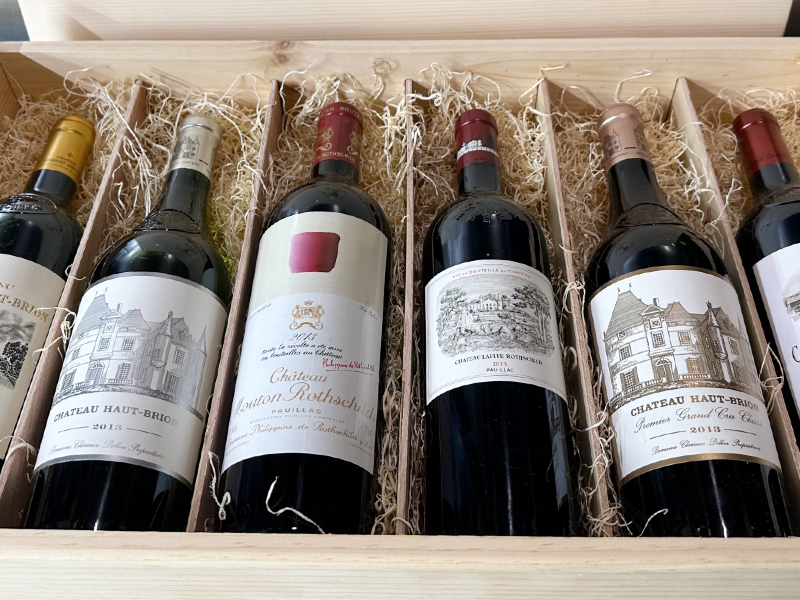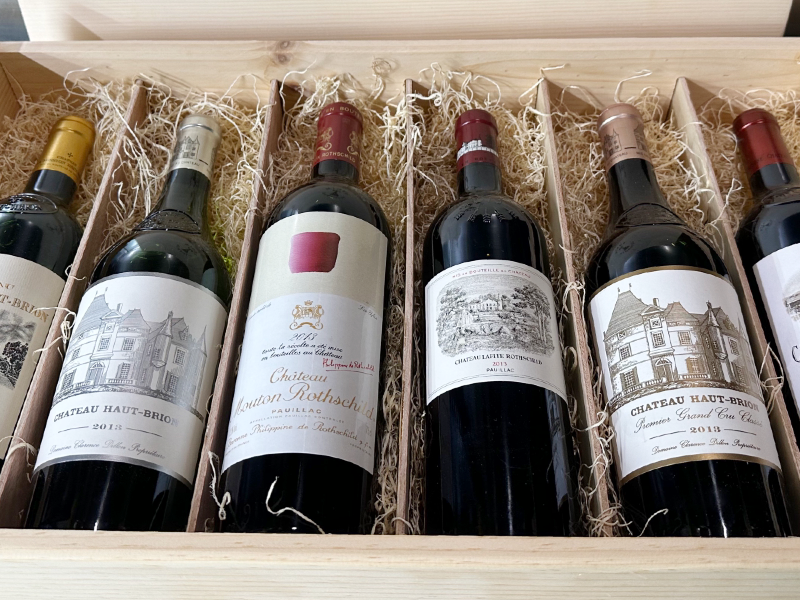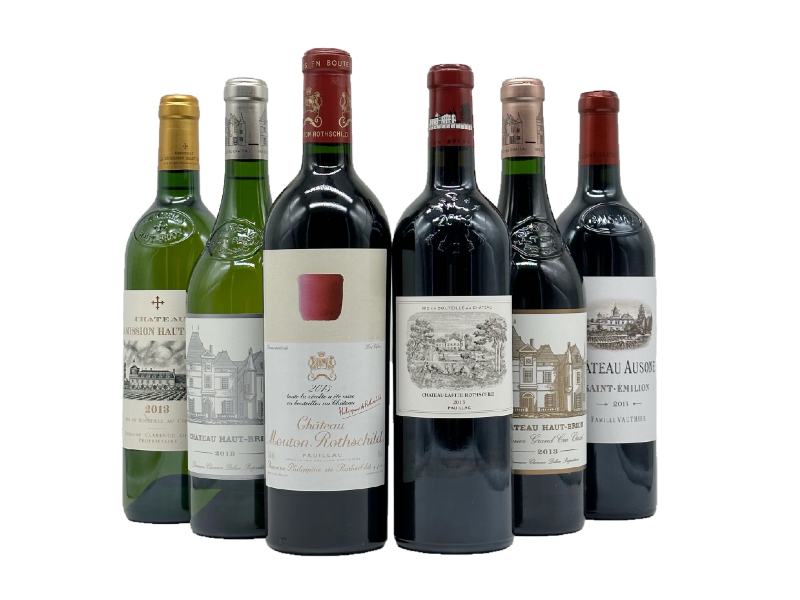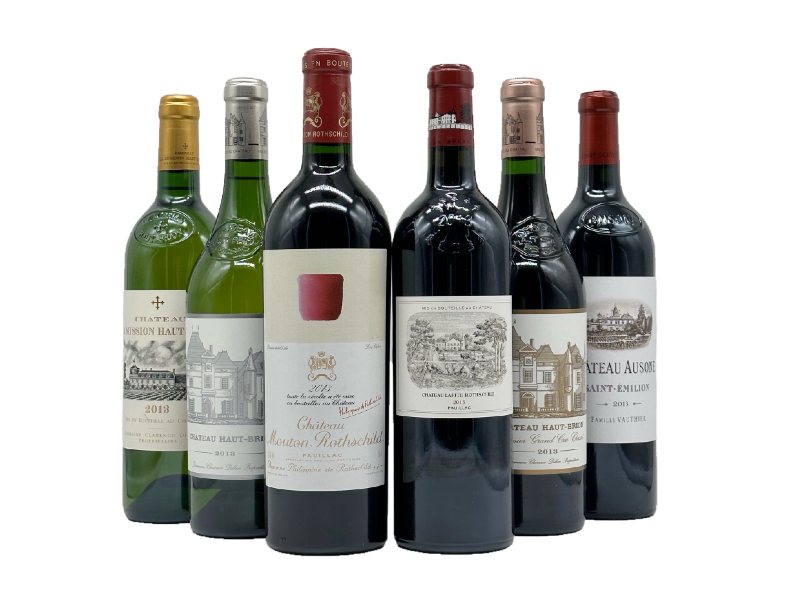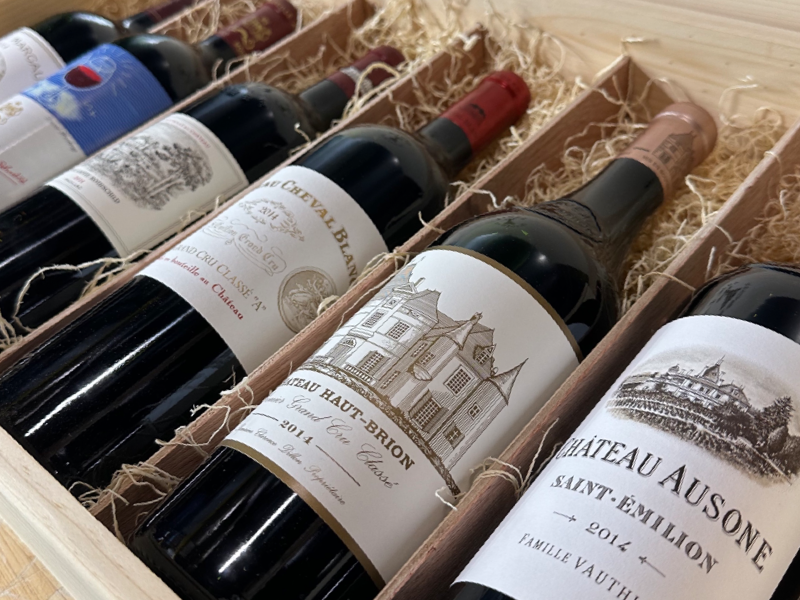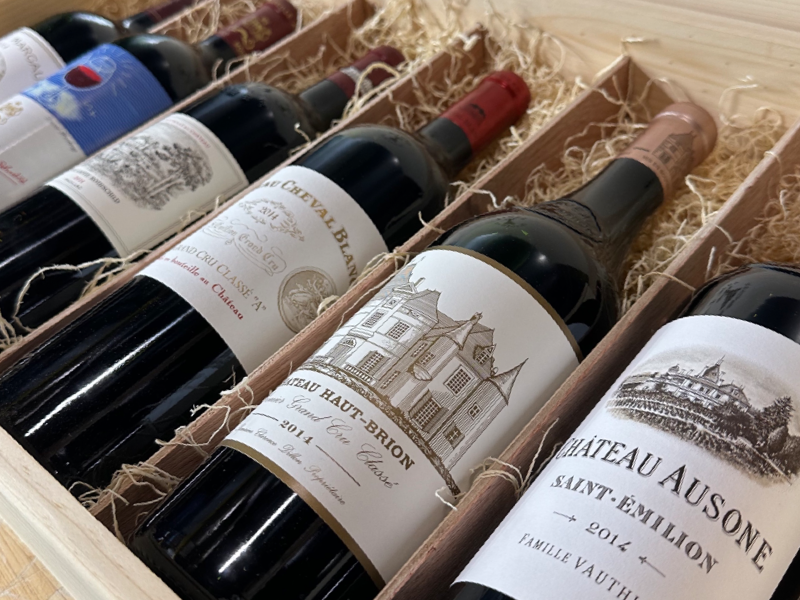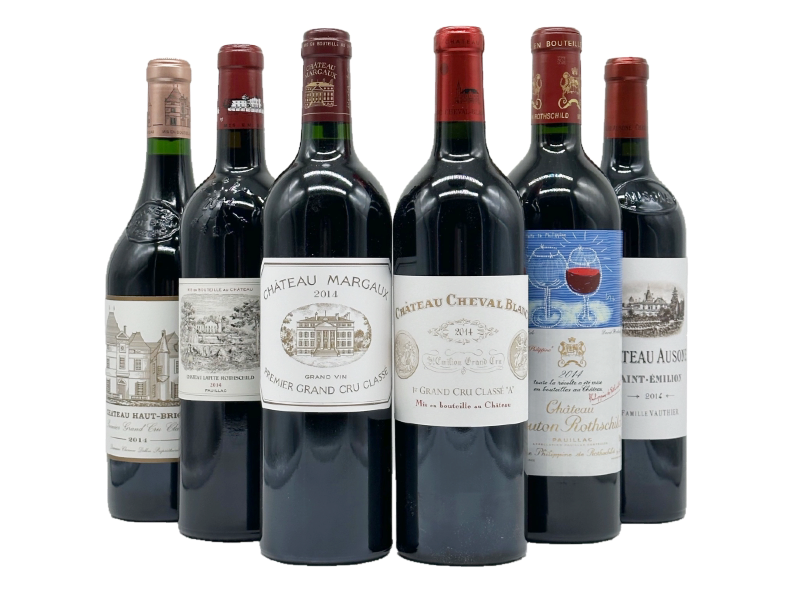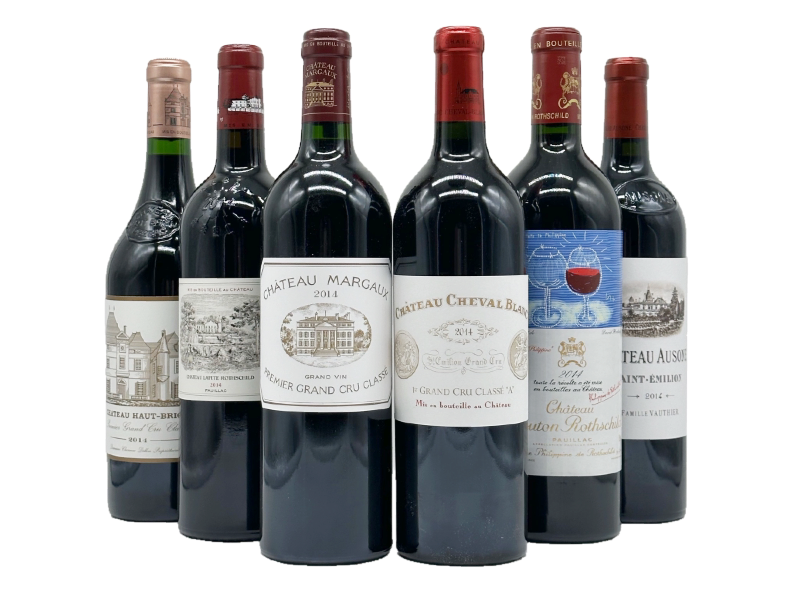
A sale drawn directly from Château Haut-Brion’s cellars has delivered one of early October’s most compelling fine-wine stories. Reported on October 5, the Sotheby’s auction raised €3.4 million and attracted participants from 29 countries, bringing nearly a century of the estate’s history into the collector market.
Ninety years of family stewardship, offered directly from the château
Organized with Domaine Clarence Dillon, the auction celebrated 90 years of Dillon family stewardship at Haut-Brion. More than 675 lots came exclusively from the estate, spanning vintages from 1935—the year Clarence Dillon acquired the property—to 2025.
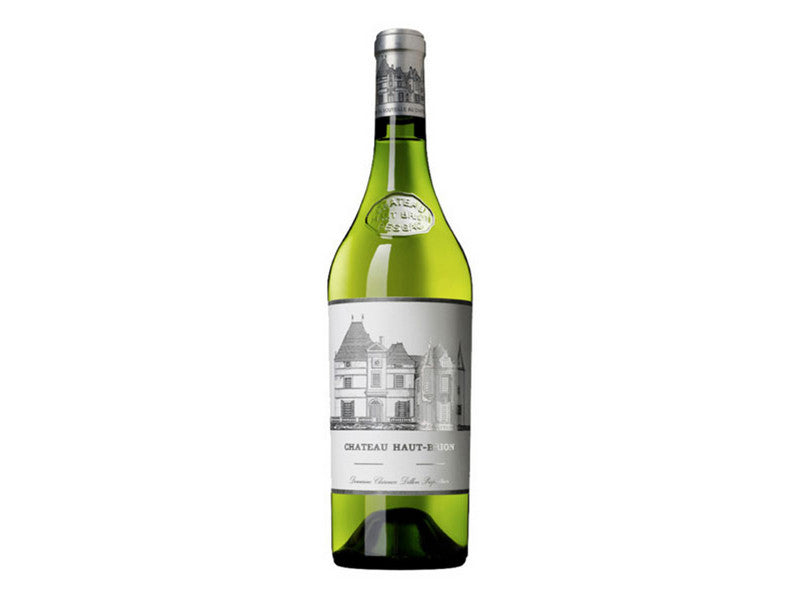
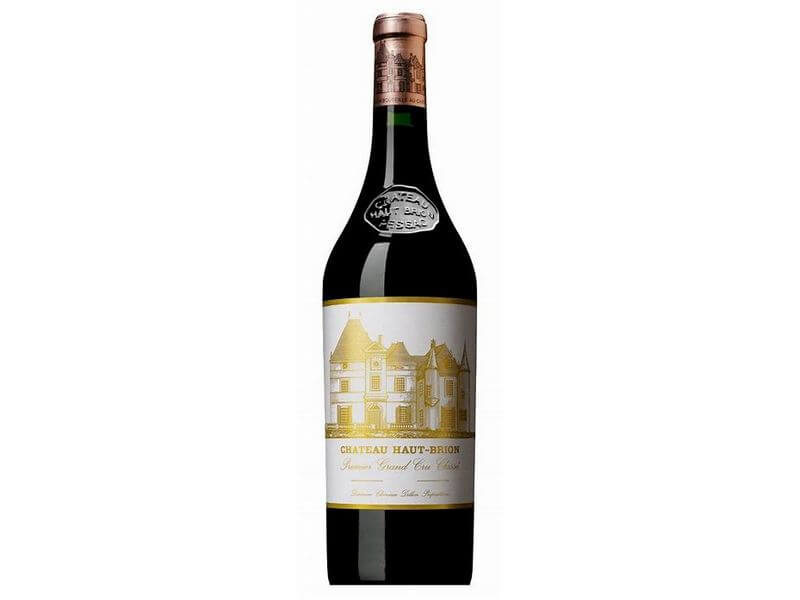
The selection extended beyond Haut-Brion Rouge and Blanc. It also included historic and second-wine labels such as Le Bahans Haut-Brion, Le Clarence de Haut-Brion, Les Plantiers de Haut-Brion, and La Clarté de Haut-Brion.
That breadth made this more than an auction of famous vintages. It offered a view of how one Bordeaux estate’s production, labels, and collecting history have evolved across generations.
The standout results
Among the reported highlights:
-
A jeroboam of Haut-Brion Rouge 1989 sold for €62,500.
-
A double magnum of Haut-Brion Rouge 1989 realized €56,250.
-
A magnum of Haut-Brion Rouge 1935 fetched €8,750.
-
An experience package paired with a barrel of Haut-Brion Rouge 2025 achieved €162,500.
The drinks business reported that the sale established a dozen new auction records. The experience packages also looked forward: they were designed to take place after the reopening of Haut-Brion’s new site in early 2027.
What collectors should take from it
The central word here is provenance. These were wines released directly from the château, not bottles whose storage histories had to be reconstructed through successive owners.
The results demonstrate the appeal of that distinction, particularly for mature vintages and rare formats. They do not establish that every bottle of Haut-Brion on the secondary market is suddenly worth more. Condition, format, storage, and the circumstances of a sale still matter.
For collectors, the useful lesson is precise: exceptional provenance can be an important part of a wine’s value, rather than merely a reassuring detail beneath the estimate.
Sources: Sotheby’s, The Drinks Business