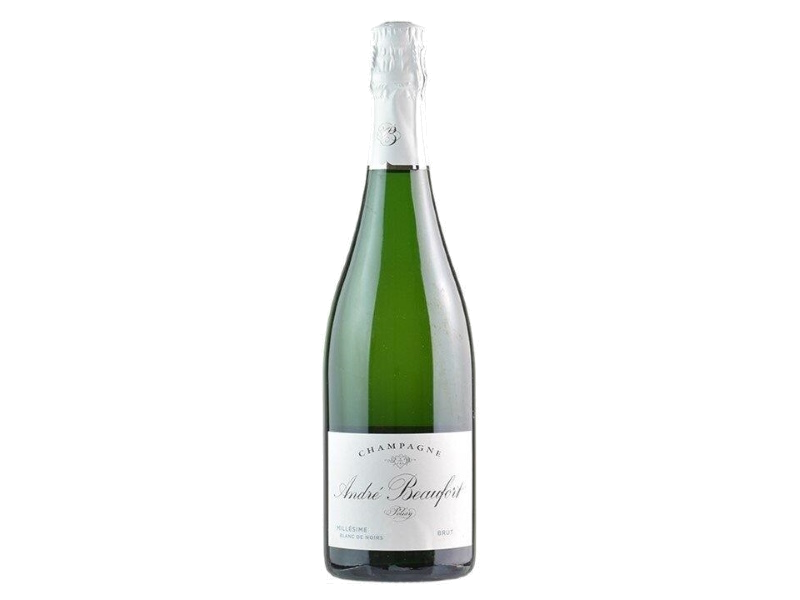
La Fête du Champagne’s October 14–17 New York program puts Champagne firmly at the dining table. Its opening events pair leading producers with destination restaurants, while the wider schedule explores rare cellar releases, single-parcel wines, oak aging, and the relationship between village and production.
The first two evenings set the tone
The official program scheduled a Pol Roger Cuvée Sir Winston Churchill dinner at Aquavit on October 14, with Bastien Collard de Billy, a sixth-generation member of the Pol Roger family. The listed ticket price was $1,800 plus tax.
On October 15, DANIEL’s program brought together Alexandre Chartogne of Chartogne-Taillet, Rodolphe Péters of Pierre Péters, Daniel Boulud, and Arnaud Lallement. That dinner was listed at $1,995 plus tax and restricted to eligible American Express Platinum and Centurion members.
These are program details, not independently reviewed accounts of what was poured or how the evenings unfolded. The distinction matters: the official schedule verifies the announced events, participants, and prices, but does not substitute for post-event reporting.
More than a grand tasting
The wider October 14–17 schedule included:
-
A Pierre Paillard masterclass focused on rare cellar releases from Bouzy.
-
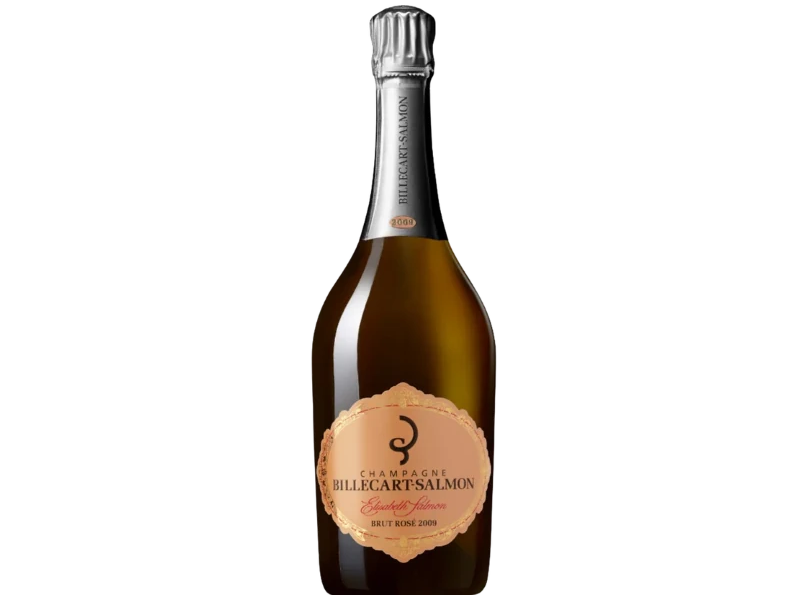
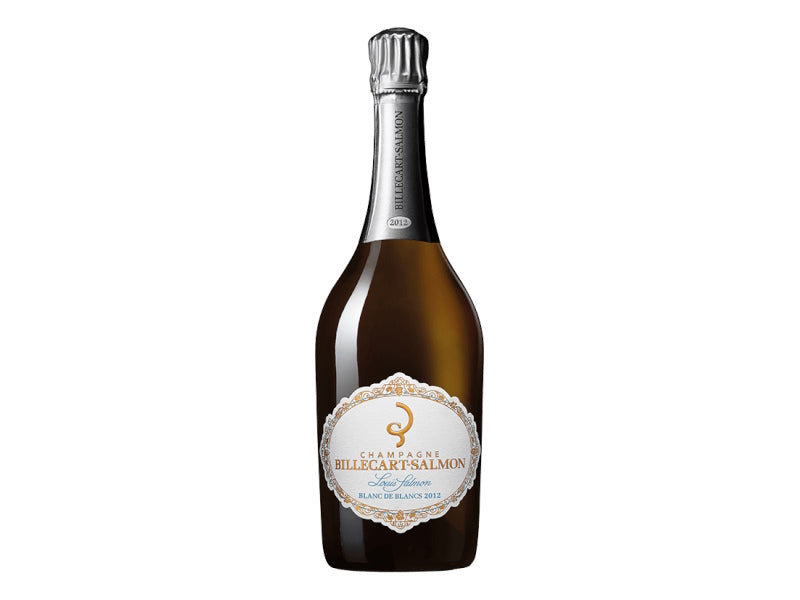
A Billecart-Salmon dinner exploring Clos Saint-Hilaire, the house’s single-parcel Blanc de Noirs.
-
A Drappier masterclass examining oak aging.
-
A Cumières-focused session with Champagne Geoffroy and Champagne Joseph Perrier.
-
A Grand Tasting at Pier Sixty.
Taken together, the program organizes Champagne around producers, parcels, villages, and cellar choices—not simply around the distinction between vintage and nonvintage bottles.
Why this is interesting for American Champagne drinkers
The appeal lies in the questions these events make possible. How does oak change a Champagne’s expression? What does a single parcel contribute? How do different producers interpret the same village?
Those are the kinds of questions that move Champagne beyond celebration alone and into the same detailed conversation collectors have about Burgundy.
The program is not proof of a nationwide change in drinking habits. It is, however, a concrete example of how Champagne is being presented to a serious American audience: as a wine to study, compare, and pair across a meal.
Sources: La Fête du Champagne