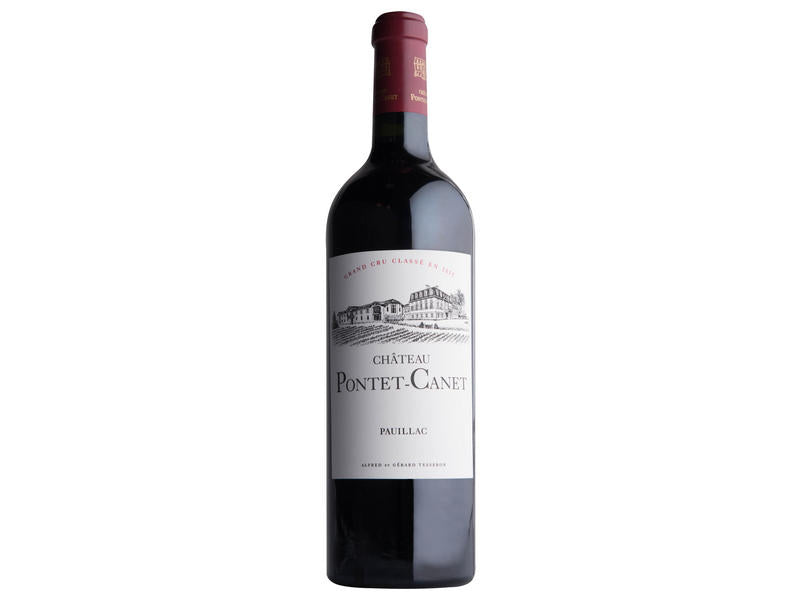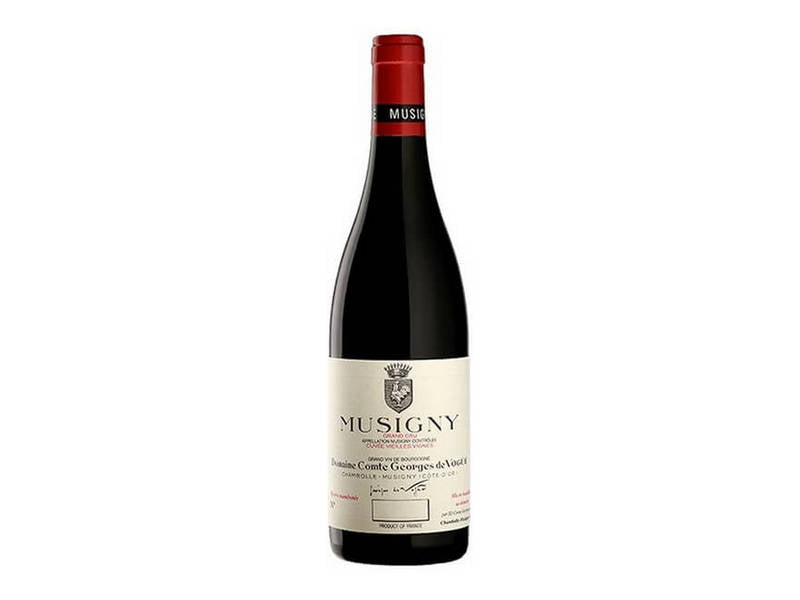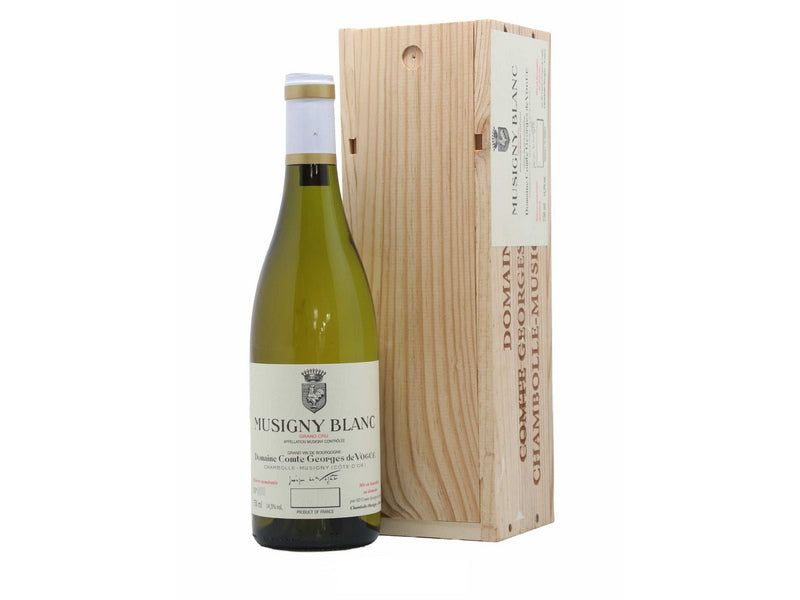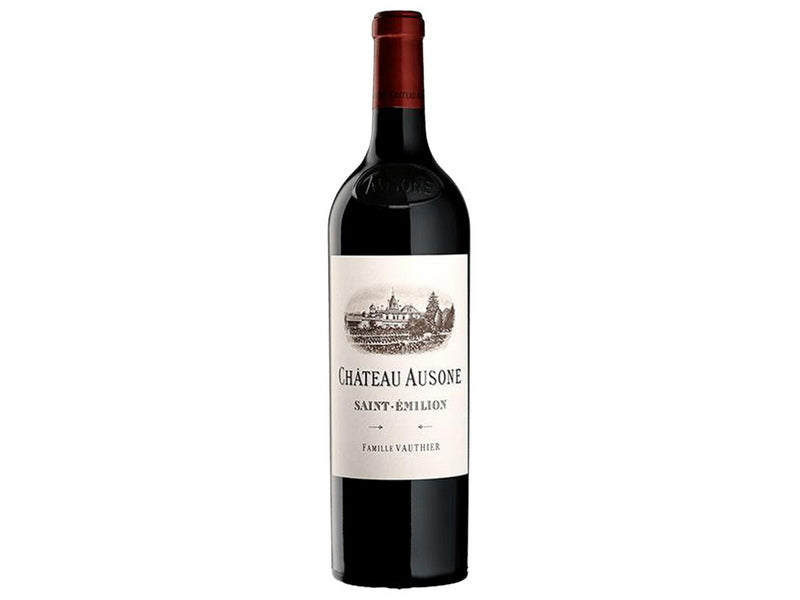


After extensive tastings of Bordeaux 2025 from barrel, one conclusion is becoming hard to ignore: this is a vintage of high quality, naturally low yields and a supportive pricing backdrop – in other words, a campaign serious collectors cannot afford to skip.
A Precise, Contemporary Bordeaux Vintage
The 2025 growing season in Bordeaux started with a mild, relatively dry winter and moved quickly into a smooth, even flowering, which already pointed to strong potential. Reports from the Union des Grands Crus de Bordeaux (UGCB), drawing on analysis from the ISVV, describe 2025 as a “truly great vintage” that is early‑ripening, fruit‑forward, densely concentrated and yet remarkably fresh. Warm, dry conditions dominated much of the summer, but well‑timed rainfall later in the season helped avoid over‑ripeness and preserved balance in the fruit.
Across the region, small berries and full phenolic ripeness are a defining feature of the vintage. Weather and crop reports note that heat and limited rain in August shrank berries, increased concentration and contributed to naturally low yields, while acids remained higher than many growers expected for such a warm year. The result, in the words of the ISVV‑backed UGCB preview, is a contemporary Bordeaux profile that offers immediate aromatic appeal without sacrificing structure or ageing potential.
Analysts agree that alcohol levels, while not low, are generally well‑integrated and moderate relative to the intensity of fruit. Tasting reports suggest that Cabernet Sauvignon tends to show strong structure, deep cassis fruit and firm but ripe tannins, while Merlot leans toward bright, precise fruit with more lift and freshness than in many recent hot vintages. It is a year where precision viticulture – canopy management, soil monitoring and accurate harvest timing – clearly separates very good from truly great wines.
Low Yields, High Concentration – And Limited Volumes
One of the non‑negotiable facts about 2025 is its scarcity. Weather and harvest reports consistently describe it as a low‑yield year, with overall production in the Gironde significantly below recent averages. Jane Anson estimates total output at about 2.29 million hectolitres, the lowest for more than three decades and around 12% below 2024. In several key appellations, average yields cluster between roughly 25 and 34 hectolitres per hectare, with some white plots producing as much as 50% less juice than usual.
Heat waves and dry spells in August played a central role: they concentrated sugars and phenolics, reduced berry size and, in many sites, limited the number of usable clusters per vine. While this has obvious implications for quantity, it also underpins much of the excitement about quality; small berries with thick skins tend to produce wines with dense color, tactile tannins and considerable flavour depth. Commentators frequently compare the structural profile of 2025 to 2022, but with a touch more freshness and definition.
For the En Primeur buyer, the consequence is clear: this is a vintage where demand for the best wines is likely to outstrip what châteaux can release. Merchants and négociants already highlight that allocations for many sought‑after estates will be tighter simply because there is less wine to go around. That combination – high quality and limited volume – is one of the primary reasons the trade is framing 2025 as a campaign “not to be missed”.
Left Bank Highlights: Cabernet at Its Best
On the Left Bank, early assessments point to particularly successful Cabernet‑driven wines in appellations such as Saint‑Julien, Pauillac and parts of the Médoc. Vintage reports note that gravel‑rich soils handled the heat well, allowing Cabernet Sauvignon to reach full phenolic ripeness without excessive sugar levels or loss of acidity. Broadly speaking, the style is described as classic in shape but modern in precision: deep color, layered dark fruit, finely grained tannins and a sense of clarity rather than heaviness.
Many commentators highlight the consistency of quality across classified growths and serious cru bourgeois in these communes. While individual estates naturally vary, there is a recurrent theme that 2025 Left Bank reds manage to combine density with impressive energy, even in the warmest sites. In comparative tastings, some tasters place the best 2025s in the same conversation as top modern vintages for Cabernet, noting that they should age gracefully over decades while offering relatively early charm.
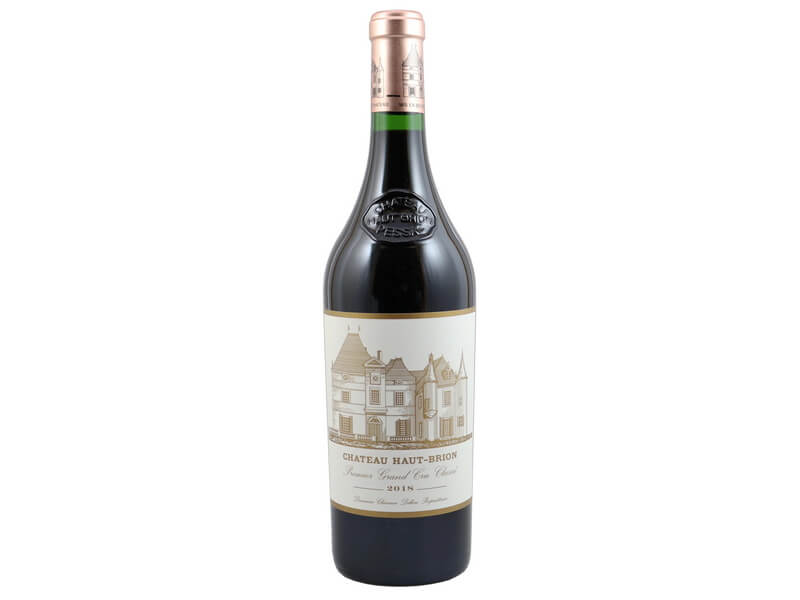
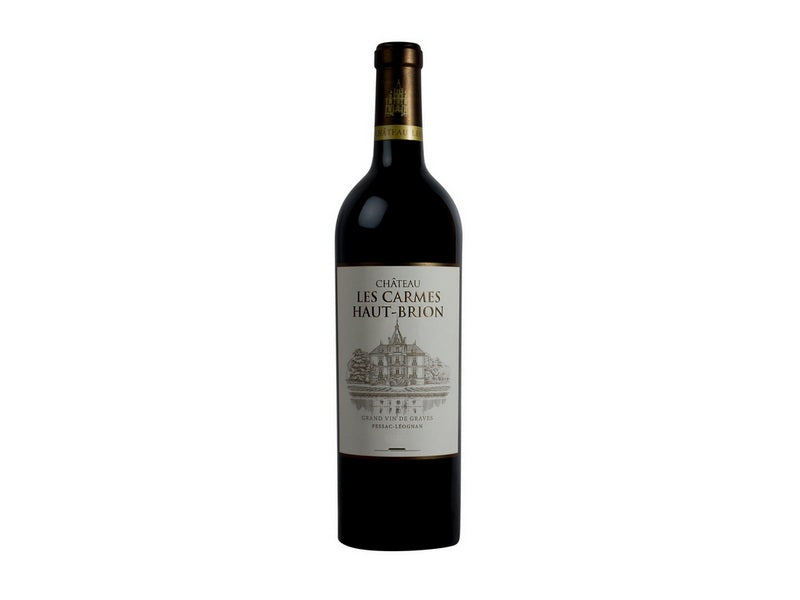
Further south, Pessac‑Léognan and Graves reds also show a very attractive balance. Here again, warm conditions produced ripe, textured wines, but the presence of cooler night temperatures and well‑drained soils has helped preserve lift in the aromatics. Combined with the appellations’ characteristic smoky minerality, this gives 2025 reds from Pessac‑Léognan and Graves a particularly complete profile that many buyers will want represented in their En Primeur selections.
Right Bank, Whites and Sauternes: Strong Personalities
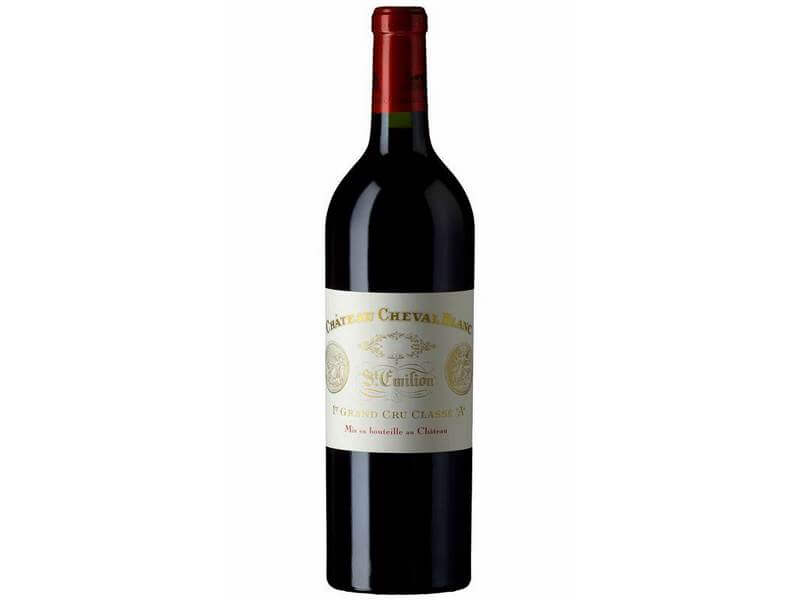
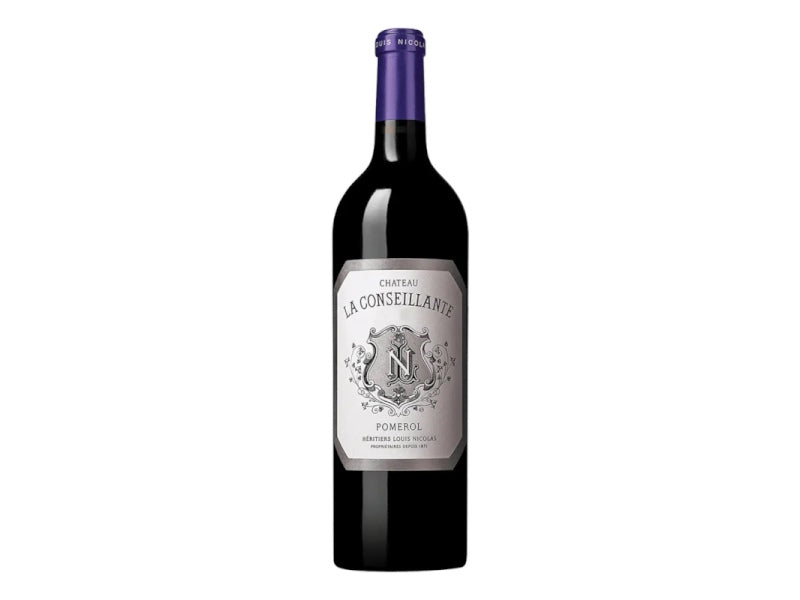
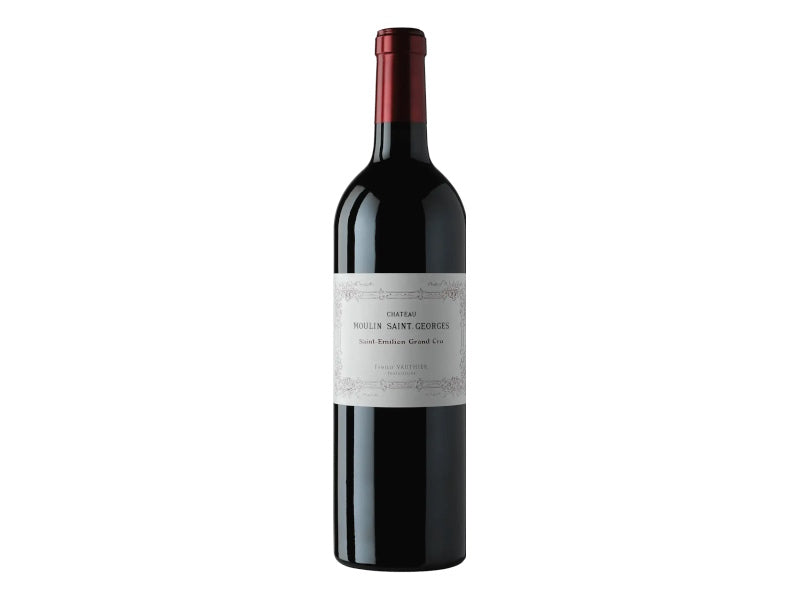
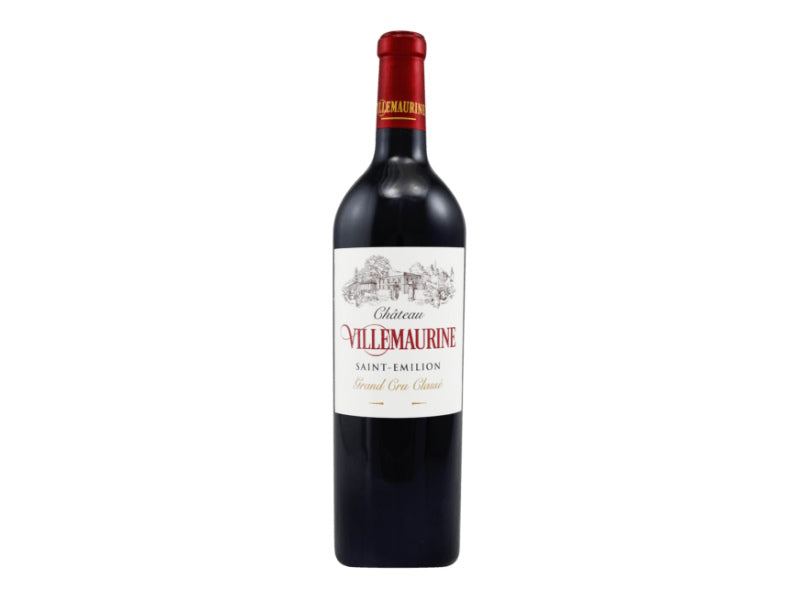
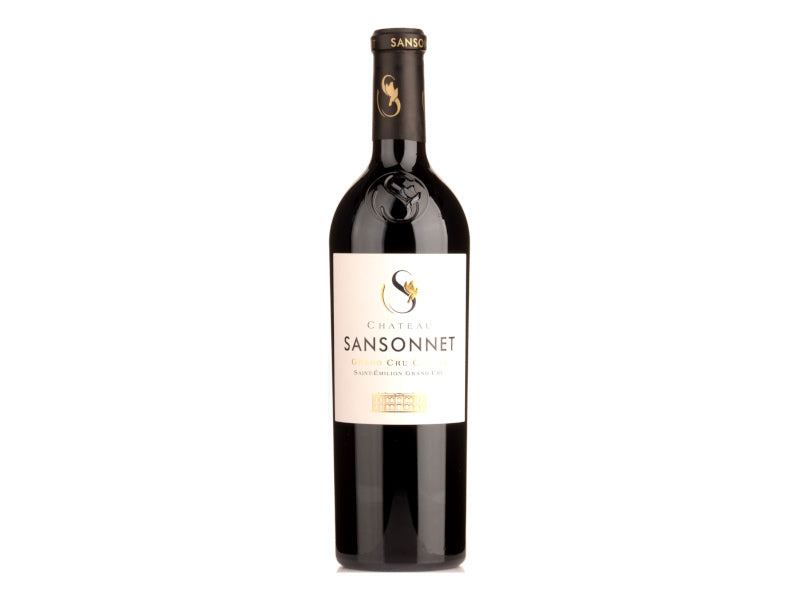
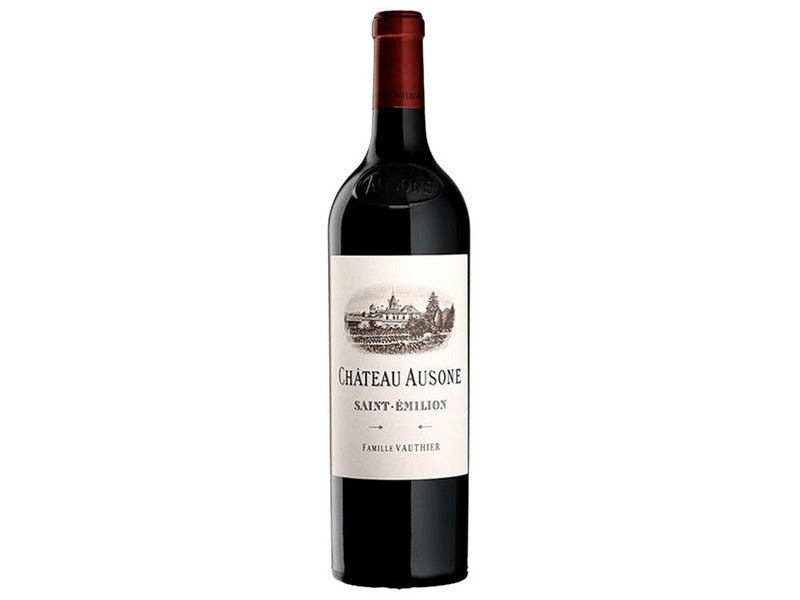
On the Right Bank, Merlot and Cabernet Franc appear to have handled the warm, dry year with notable success, especially on limestone and well‑exposed clay‑limestone slopes. Reports emphasize generous, velvety textures and well‑defined fruit allied to refreshing acidity—an important counterpoint to the richness that heat can bring. Many observers expect Saint‑Émilion and parts of Pomerol to deliver some of the most seductive wines of the vintage, with limestone plateau sites attracting particular interest.
Dry white Bordeaux has also emerged as a strong category in 2025. The ISVV‑backed preview characterizes them as fresh, vibrant and appetising, noting that the same conditions that concentrated reds also produced whites with intense aromatics and bright acidities. For buyers who value high‑class Sauvignon‑ and Sémillon‑based wines for the cellar and the table, 2025 looks to offer plenty of options in Pessac‑Léognan and key Entre‑Deux‑Mers sites.
In Sauternes and Barsac, several reports mention that conditions were favorable for the development of noble rot, allowing multiple selective harvest passes and high‑quality sweet wines. Warmth and botrytis combined to bring richness and concentration, while the underlying acidity kept these vins liquoreux from feeling heavy. For collectors who have been waiting for a clearly successful vintage in the region, 2025 will be one to consider seriously when En Primeur offers appear.
Quality, Pricing and Why Interest Matters Now
With a cautious global market, much attention is turning to how châteaux will position release prices for 2025. Several trade reports suggest that estates are likely to adopt measured, market‑aware pricing, often described as falling between the levels of recent 2023 and 2024 releases, rather than testing new highs. If that scenario holds, buyers could be looking at a rare alignment of factors: a highly regarded, small‑volume vintage offered at relatively reasonable entry points compared with some past peaks.
For serious enthusiasts and collectors, that makes early engagement with En Primeur particularly important. Limited yields mean that allocations for the most sought‑after châteaux—across both banks and in Sauternes—will be constrained simply by lack of wine. Communicating priorities to trusted merchants before or during En Primeurs Week allows them to advocate for the desired volumes at the château level and secure meaningful quantities where demand is strongest.
In short, Bordeaux 2025 combines several elements that do not often appear together: a broadly praised style that is dense yet fresh, naturally low yields, and a pricing environment that looks likely to be more buyer‑friendly than in some recent trophy vintages. For drinkers building cellars that balance top Bordeaux with great Burgundy, Champagne and California, 2025 is shaping up as a cornerstone year—one that rewards those who pay attention early rather than waiting for bottles to hit the shelves years down the line.
Sources: Vintage by UGCB “KICK‑OFF: Bordeaux unveils its 2025 Vintage!”, Berry Bros. & Rudd “Bordeaux 2025 vintage report”, The Drinks Business “Bordeaux 2025 vintage profile: Quality over quantity”, Jancis Robinson “Bordeaux 2025 weather and crop report”, Fine Wine Library 2025 vintage report, Grandcru Grapes “Bordeaux 2025 Harvest Report”, Jane Anson “Ten Things to Know, 2025 Vintage”, Wine‑Searcher 2025 Bordeaux vintage summary, Bordeaux Wine Vacations 2025 vintage report, SIP Wine Blog updates on 2025.
Image: Google AI