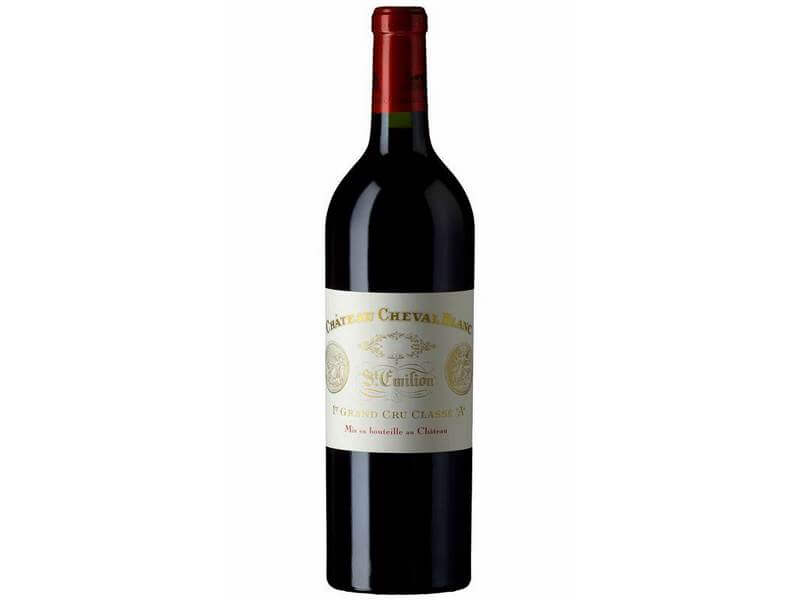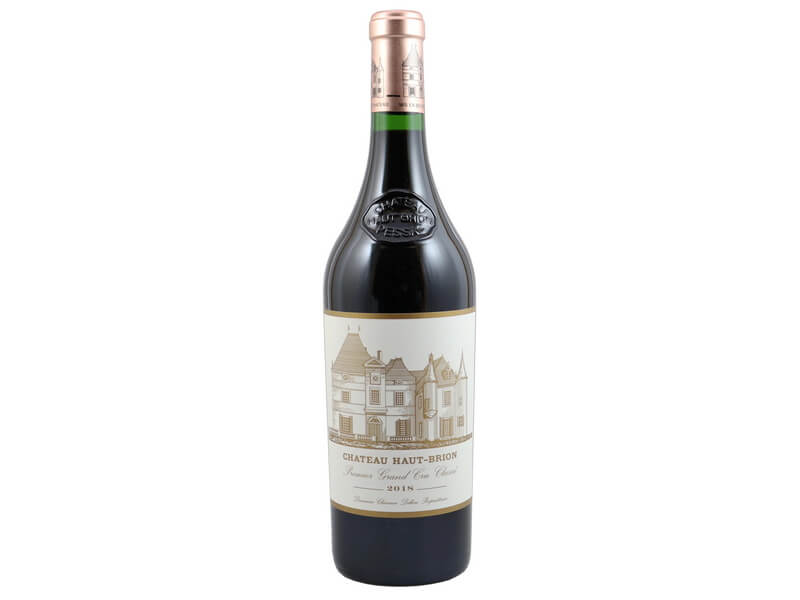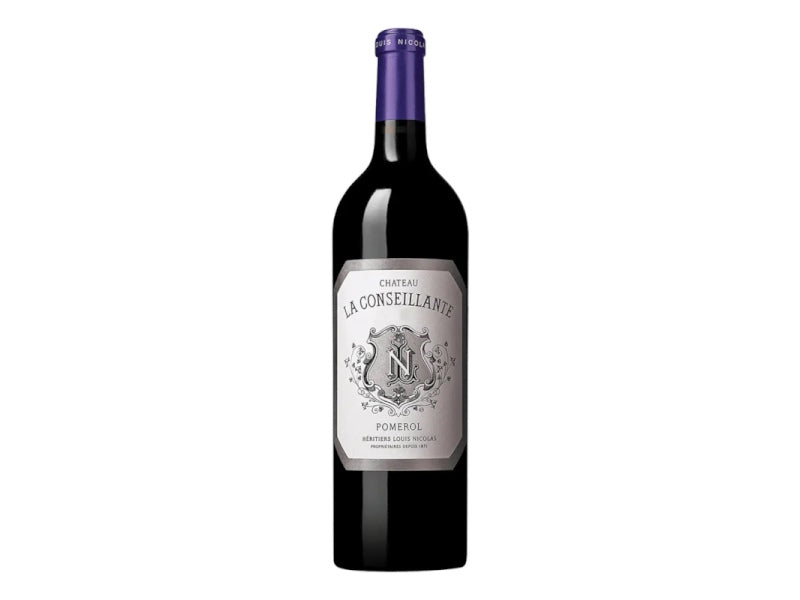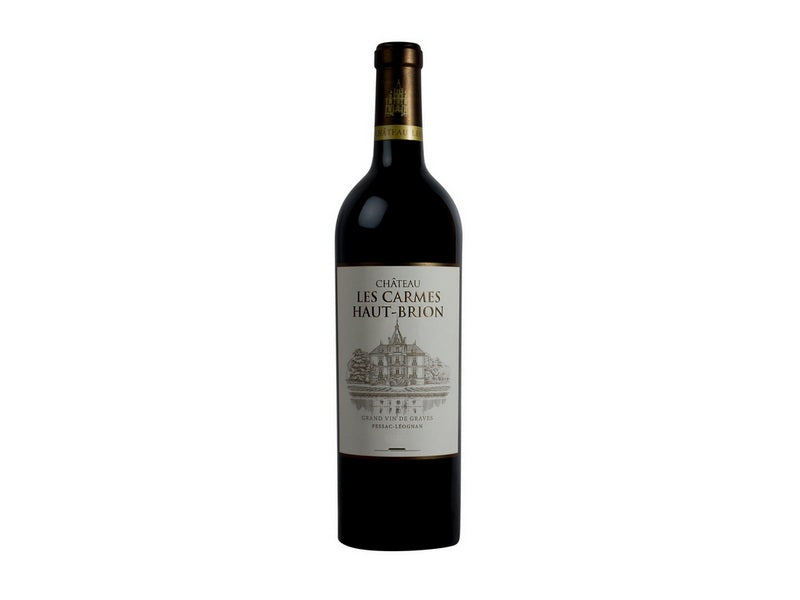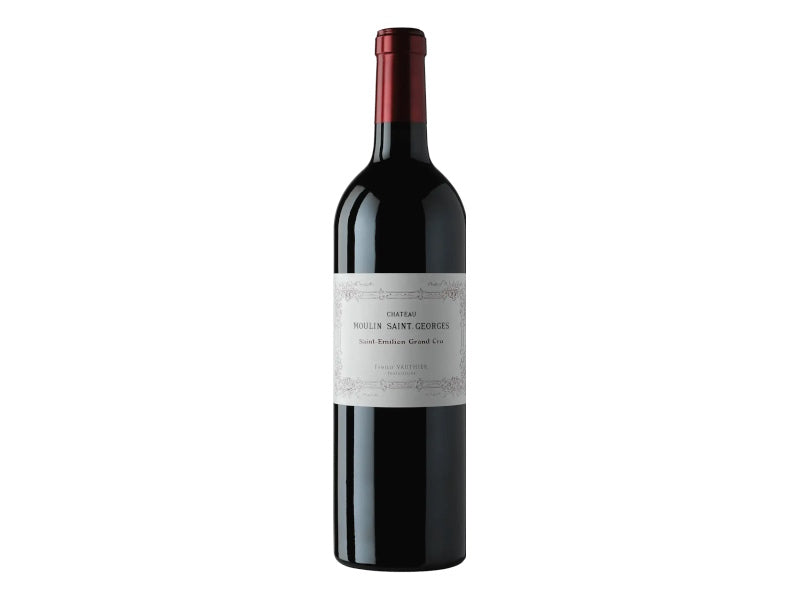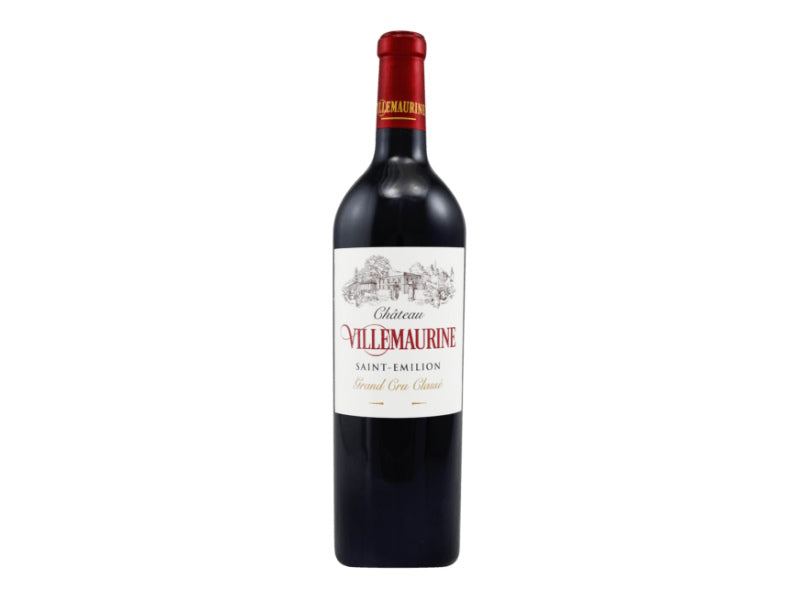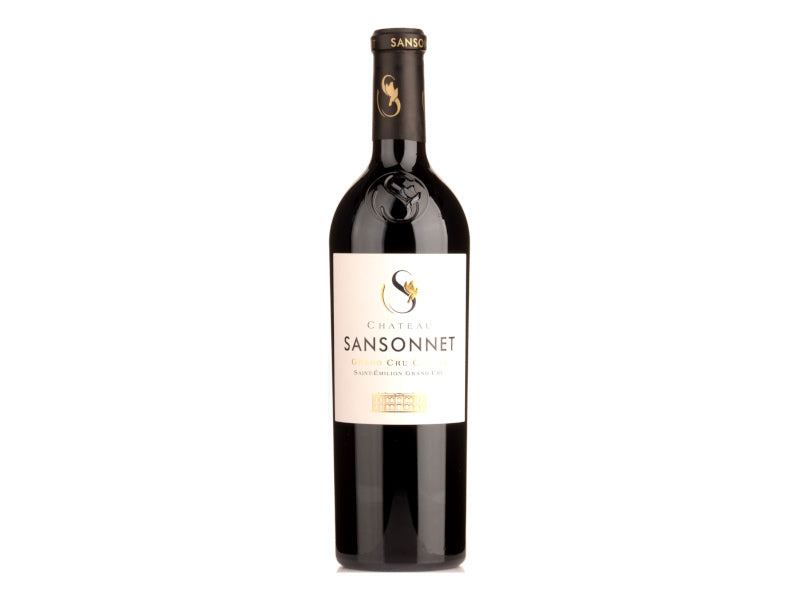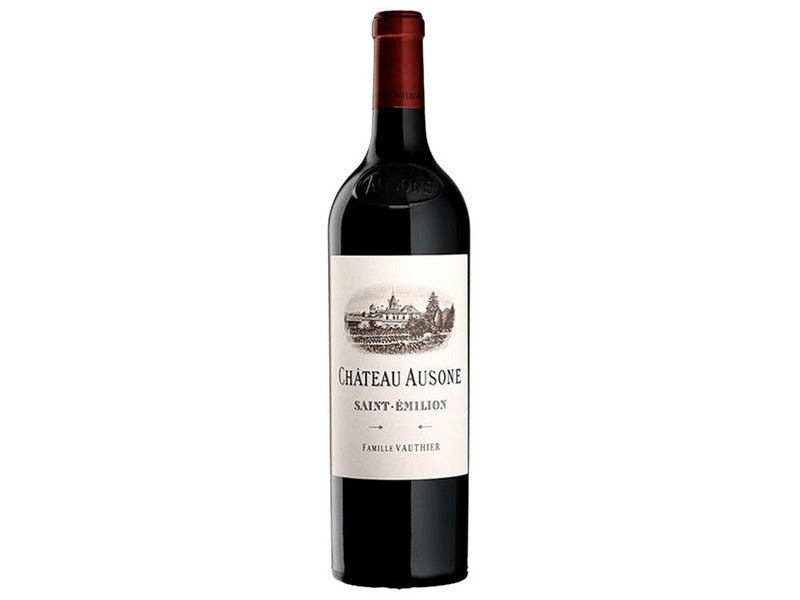


Tasting Bordeaux 2025 en primeur means tasting unfinished wines, yet the juices in the glass already carry a clear promise: the signature of their vintage and their terroir, shaped by a year that was early, small in volume and surprisingly balanced.
Why En Primeur Still Matters
En primeur tasting is always an act of projection: we taste young, unfinished wines, but they already show the outline of what the bottled wines will become. Aromatics, structure and texture reveal the character of the vintage, the voice of the terroir and the vision of the winemaker. Even in a challenging global market, this moment has a unique power to rekindle passion for great wines because it places us at the birth of a year, where every choice in the vineyard and the cellar is still fresh in mind.
For 2025, that context is especially important. A quick look at the weather summary—hot, dry, small harvest—might suggest a very rich, heavy style. Yet in the glass the wines tell a different story: density, yes, but also brightness, definition and an almost classical sense of balance. To understand why, you have to look at the key structural elements of the year.
Five Key Facts About the 2025 Growing Season
Reports from UGCB, ISVV and several independent observers highlight a set of conditions that together define the vintage:
-
Early vintage
-
Mild winter and a warm spring led to early budbreak around late March and quick flowering in May.
-
Harvest started very early: some dry whites were picked from mid‑August and many reds in early September, placing 2025 among the earlier Bordeaux vintages of recent decades.
-
-
Historically low yields
-
2025 is repeatedly described as an excellent but very small vintage, with overall production around 2.29 million hectolitres—just below 1991 and the lowest for roughly 34 years, about 12% less than 2024.
-
Low reserves and poor floral induction after 2024, combined with small berries, meant low crop potential from the outset.
-
-
Hot, dry season with slowed sugar loading
-
The growing season was marked by a hot, dry summer and significant water deficit from May onward, though generally with less stress than in 2022.
-
Drought between flowering and fruit set reduced sugar accumulation and kept potential alcohol in check, contributing to moderate degrees and balanced profiles despite the heat.
-
-
Big day–night temperature swings
-
Several reports note pronounced temperature variations, with hot days and much cooler nights during key ripening periods.
-
These swings helped preserve acidity, sharpen aromatic profiles and maintain low pH, especially on limestone soils, giving precision and freshness to the wines.
-
-
Timely late‑August rains
-
A crucial episode of rainfall at the end of August brought 90–100 mm in many Left Bank zones and well‑timed showers in other parts of Bordeaux.
-
This rain eased vine stress, completed phenolic ripeness and softened skins (particularly for Merlot), allowing gentle extractions and avoiding over‑concentration or jammy fruit.
-
Together, these factors produced small berries with high phenolic maturity, moderate alcohol and surprisingly high acidity for a warm year—a combination that underpins the distinctive style of Bordeaux 2025.
The Style in the Glass: Brilliance, Harmony, Creaminess
UGCB, drawing on ISVV analysis, summarizes Bordeaux 2025 as an early‑ripening, fruit‑forward, densely concentrated yet remarkably fresh vintage. Tasting across the region, three aspects stand out again and again:
-
Brilliance
-
Despite the hot, dry summer, the aromatics are pure and fresh, with bright fruit and floral notes rather than cooked or overripe characters.
-
Low pH and preserved acidity give many reds a vivid, mouth‑watering quality that makes them feel lively and appetising even at the barrel stage.
-
-
Harmony
-
Unlike some “blockbuster” years where power dominates, 2025 is widely described as harmonious, precise and finely proportioned.
-
Each terroir seems to express a distinct identity—gravelly Cabernet sites, limestone plateaux and clay‑limestone slopes all speak clearly—so regional character and estate style are easy to read.
-
-
Creaminess
-
The combination of naturally low yields, small berries and carefully managed harvest dates has delivered tannins of striking quality.
-
Tasters consistently describe a creamy, velvety texture in many reds: the tannins are abundant but very finely wrapped, without dryness, even though alcohol levels are moderate and do not provide the usual “rounding” associated with hot, solar vintages.
-
In short, 2025 marries the advantages of recent sunny vintages—exceptional ripeness of tannins and deep color—with a more classical, dynamic structure that should age gracefully without feeling heavy.
How 2025 Fits into Modern Bordeaux
Comparisons to previous vintages are always tricky, but several commentators see 2025 as a turning point that reflects how Bordeaux viticulture has evolved in response to the hot years from 2018 to 2022. Increased use of cover crops, canopy management, earlier picking and more precise extraction strategies have allowed estates to handle heat and drought with greater finesse.
Key themes emerging from early vintage reports include:
-
Wines crafted more for balance than sheer power, with emphasis on freshness and drinkability alongside age‑worthiness.
-
Clear benefits for vineyards on limestone and well‑drained gravel, which balanced ripeness with natural tension and low pH.
-
A sense that 2025 will appeal strongly to engaged wine lovers: the wines are charming and accessible, yet nuanced enough to reward attentive tasting and cellaring.
As one report puts it, 2025 is “a concentrated ripe vintage, but with low pH,” a combination that yields both depth and edge—wines that are easy to enjoy but will reveal more layers as they evolve.
What This Means for En Primeur Buyers
For the En Primeur campaign itself, several practical points follow from the vintage’s profile:
-
Quality over quantity
-
2025 offers broadly high quality across the main appellations, but total production is historically low, making the vintage naturally scarce.
-
-
Moderate, market‑aware pricing expected
-
In a cautious global market, multiple reports suggest that estates are likely to release at measured price levels, often framed as between 2023 and 2024 for many châteaux, rather than seeking new peaks.
-
-
Early interest matters
-
Because volumes are limited, allocations of the most in‑demand wines are likely to be tight; expressing interest early helps merchants argue for meaningful quantities at the château level.
-
-
Taste
-
As always with Bordeaux, the only way to complete the picture is to taste widely across both banks, including whites and Sauternes, to find the styles and terroirs that resonate with your own palate and cellar strategy.
-
Bordeaux 2025 is not a vintage of easy headlines but of substance: early, small, dense yet fresh, bright yet creamy, and shaped by estates that have learned how to turn heat and drought into poised, age‑worthy wines. For collectors who value both classic structure and modern precision, it is a year that deserves close attention at En Primeur.
Sources: Vintage by UGCB “KICK‑OFF: Bordeaux unveils its 2025 Vintage!”, Jancis Robinson “Bordeaux 2025 weather and crop report”, Jane Anson “Ten Things to Know, 2025 Vintage”, Grandcru Grapes “Bordeaux 2025 Harvest Report”, Decanter first look at Bordeaux 2025, Liv‑ex / Gavin Quinney weather and crop report, ARVI SA Bordeaux Vintage Report 2025, The Wine Conversation “Let’s Talk About Bordeaux 2025”, additional 2025 vintage summaries.