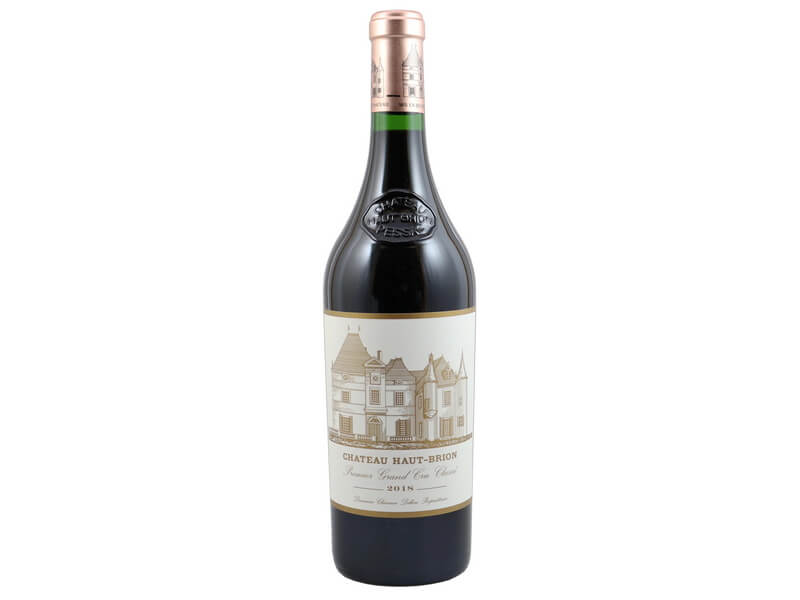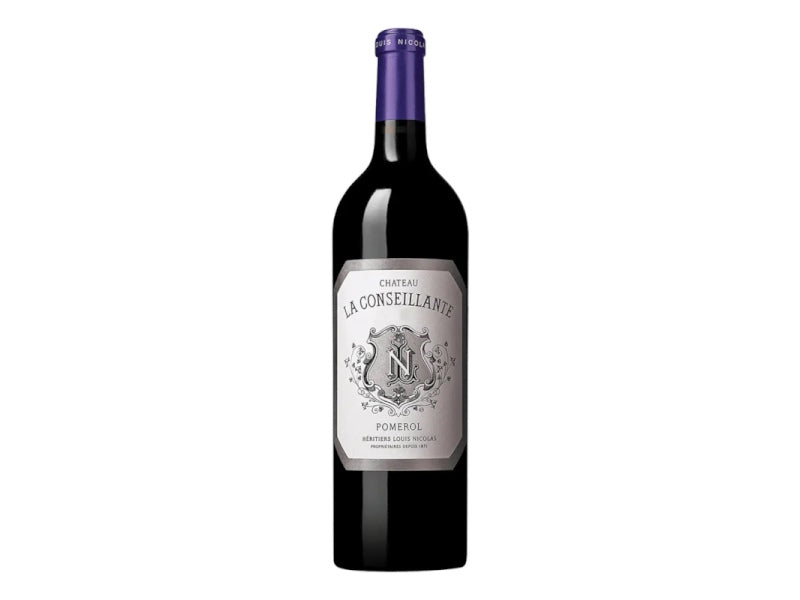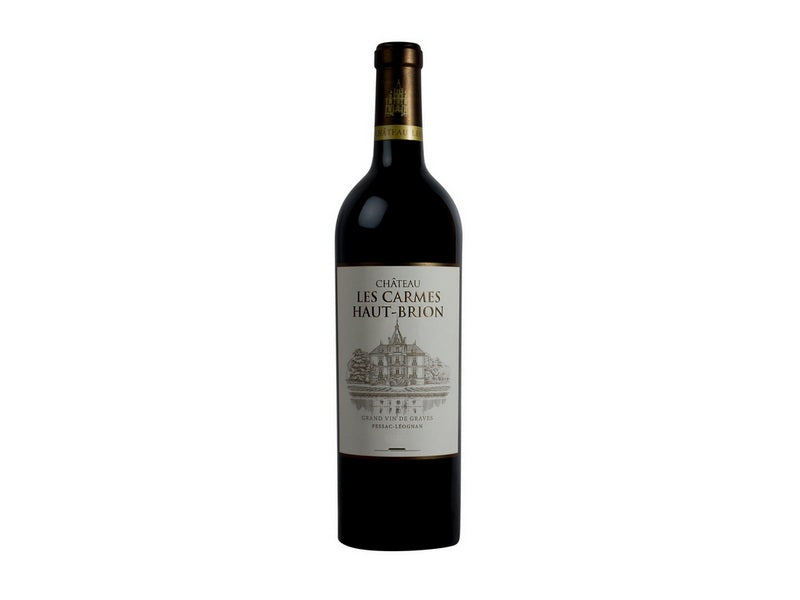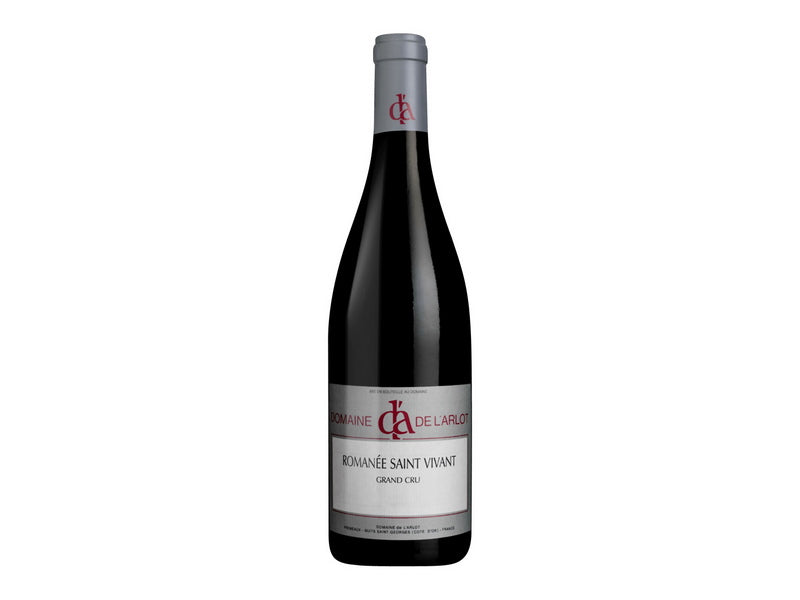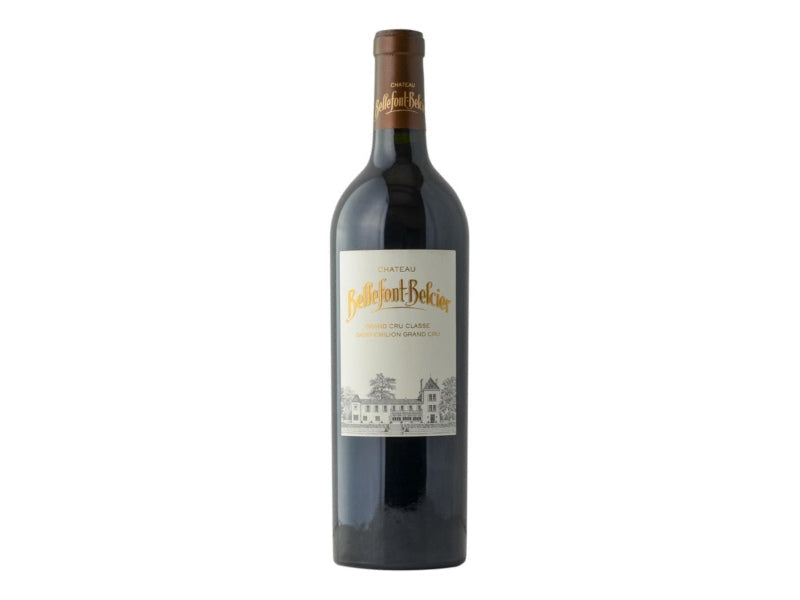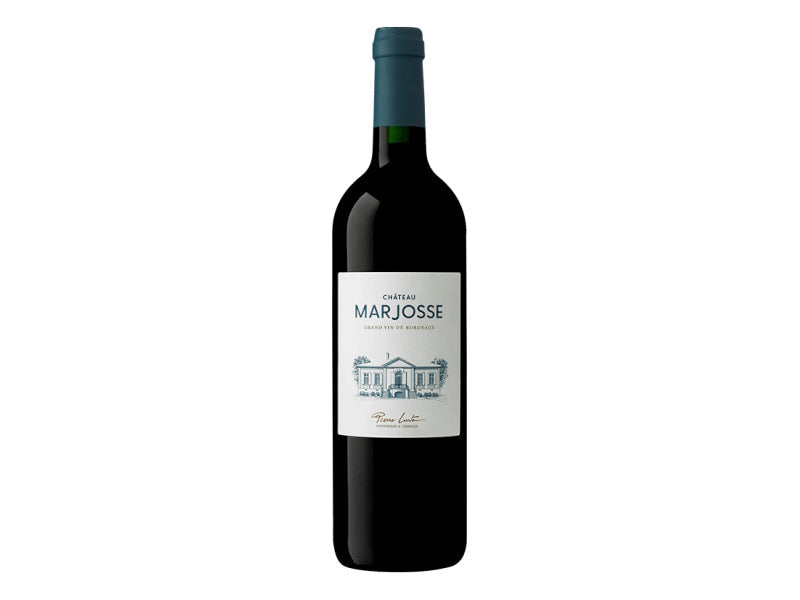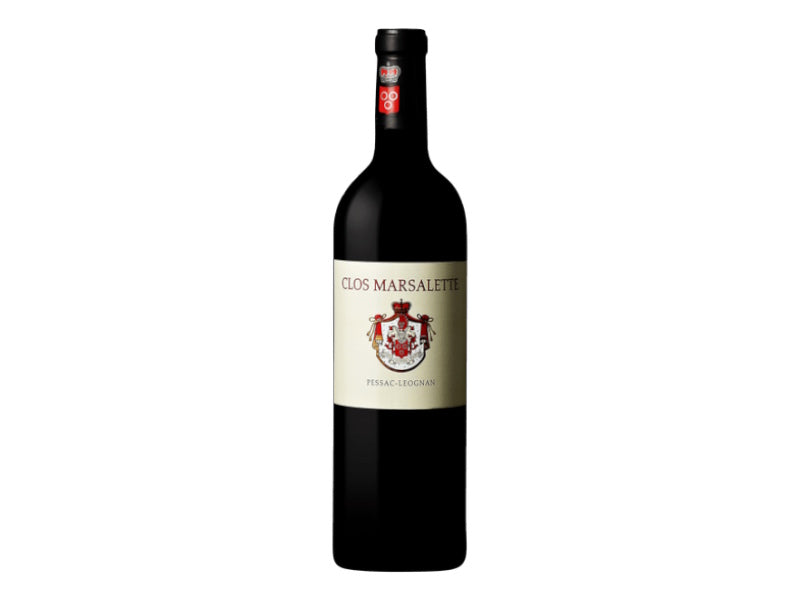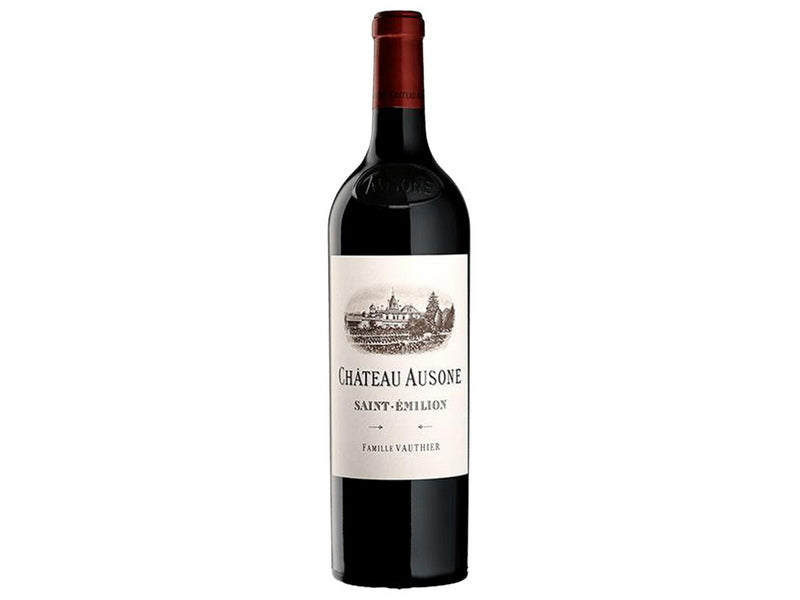


With hundreds of châteaux offering 2025 Bordeaux En Primeur, we chose a deliberately short list of wines that combine world‑class terroir, proven critical pedigree and genuine excitement around this small, high‑quality vintage—so our clients can focus on the bottles that really matter.
The 2025 Frame: Quality Over Quantity, Especially at the Top
Independent reports on Bordeaux 2025 agree on one central idea: quality over quantity. The vintage is defined by a hot, largely frost‑ and mildew‑free growing season, historically low yields and wines that combine dense fruit with striking freshness and finely textured tannins. Commentators from The Drinks Business to Jane Anson and the IWFS note that volumes in key appellations such as Pomerol and Saint‑Julien are particularly small—often in the mid‑20s hectolitres per hectare—while the best estates have produced wines that stand comfortably alongside recent benchmark years.
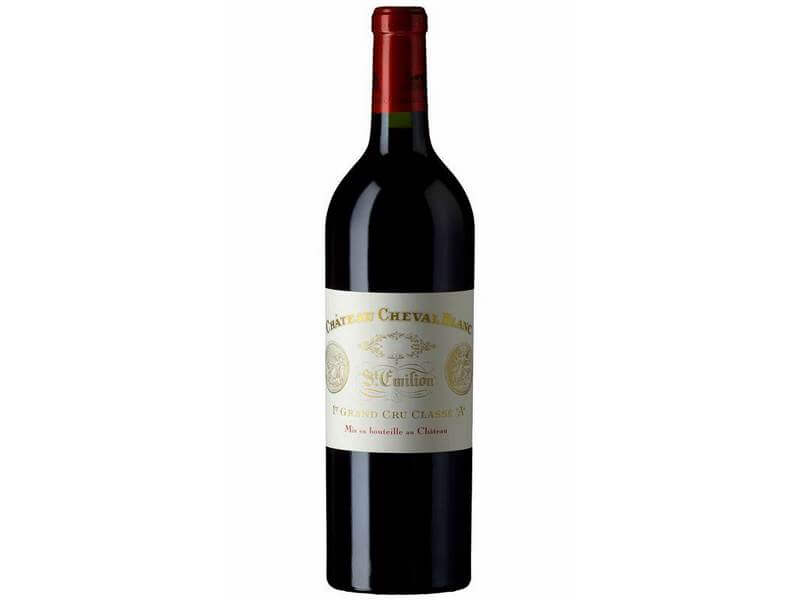
For collectors and serious drinkers, this combination means two things. First, there is intense competition around the very top labels; guides to the campaign consistently highlight names like Pontet‑Canet, Cheval Blanc and L’Evangile among the core targets for global collectors. Second, limited volumes argue for a more disciplined, selective approach to En Primeur: it makes sense to focus on estates with long track records, strong critical support and clear identities, rather than trying to chase every headline. Our 2025 selection reflects exactly that philosophy.
How We Curated Our 2025 En Primeur List
Rather than publish a long, unfocused list, we built a compact 2025 En Primeur range around three simple criteria, cross‑checked against respected critic reports and professional tasting summaries.
-
1. Iconic, terroir‑driven estates
We prioritized châteaux whose reputations rest on great terroir and consistent excellence: Pauillac’s Château Pontet‑Canet and Léoville Barton; Right Bank references such as Cheval Blanc, L’Evangile, Bélair‑Monange, Valandraud; and benchmark Pomerols including Trotanoy, La Fleur‑Pétrus and Gazin. These names appear repeatedly in “wines to watch” lists and allocation guides for the 2025 campaign. -
2. Coverage across styles: red, dry white and sweet
Bordeaux 2025 is not only about reds; reports highlight strong performances for dry whites and promising conditions for Sauternes and Barsac, where noble rot developed under favorable circumstances. That’s why our range includes Pape Clément Blanc, Domaine de Chevalier Blanc and the rare L’Extravagant de Doisy‑Daëne in 375 ml, alongside the red Domaine de Chevalier. -
3. Wines that make sense in a serious cellar
All of our chosen estates have established aging curves and back‑vintage track records that can be verified through critic databases and auction histories, making them suitable anchors for long‑term collections. These are not speculative labels; they are reference points that help define what 2025 Bordeaux looks and tastes like when it reaches maturity.
In practice, we then cross‑checked our internal tasting impressions with early 2025 notes from major critics and specialized merchants, focusing only on wines where overall consensus matched our own view of quality and style.
The Wines: Why Each Estate Earned Its Place
For clarity, here is how the main pillars of our 2025 En Primeur offer fit together, based on real‑world profiles and early campaign commentary.
-
Left Bank structure and classicism
-
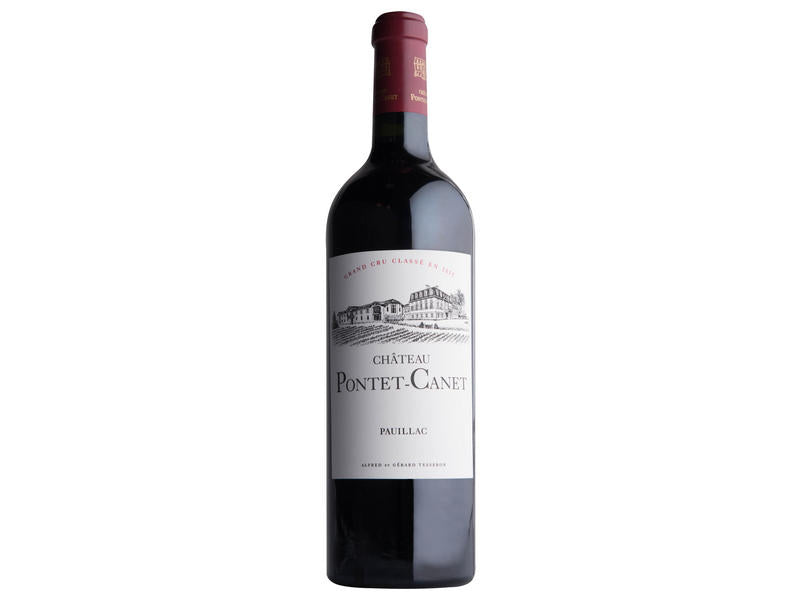
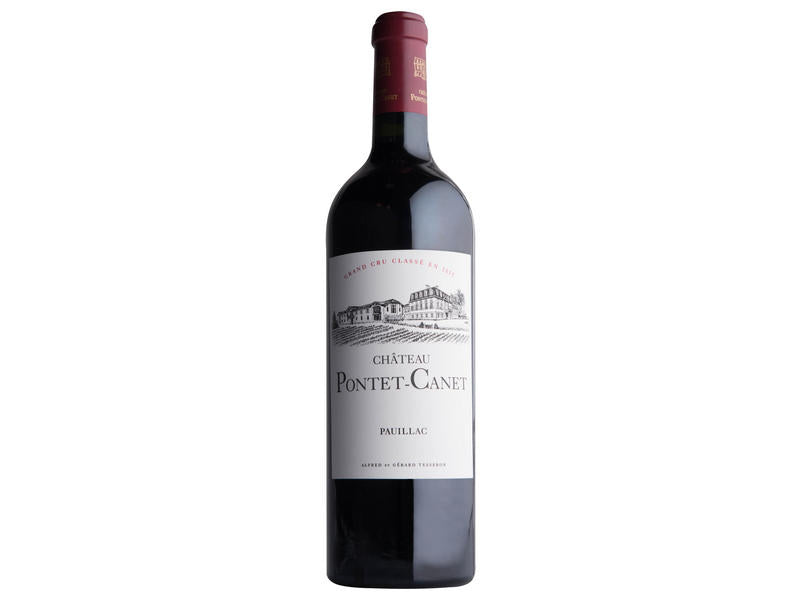
Château Pontet‑Canet (Pauillac, 5th Grand Cru Classé) – Frequently cited as a “must‑watch” estate in 2025, Pontet‑Canet has long been considered a Fifth Growth with First‑Growth ambitions, combining biodynamic farming with deep Pauillac gravel terroir. Early reports note a brilliant, finely textured 2025 with ripe yet fresh Cabernet fruit and silky tannins.
-
Léoville Barton (Saint‑Julien, 2nd Grand Cru Classé) – Known for its classical, age‑worthy style, Léoville Barton is often singled out as a benchmark Saint‑Julien in strong vintages, and 2025 is expected to follow the same pattern, with deep, structured Cabernet and excellent ageing prospects.
-
-
Right Bank limestone and clay power
-
Château Bélair‑Monange (Saint‑Émilion Premier Grand Cru Classé) – Sitting on the limestone plateau, Bélair‑Monange consistently attracts top scores in recent years; early 2025 notes mention a satiny, suave wine with a rich core of fruit and saline tension, underlining its plateau terroir.
-
Château Valandraud (Saint‑Émilion Premier Grand Cru Classé) – A former “garage wine” now fully recognized in the classification, Valandraud’s 35th vintage (2025) is described by the estate and trade press as a pivotal year, crafted in partnership with new co‑owners and presented En Primeur as a statement of the estate’s evolution.
-
-
Pomerol icons
-
Trotanoy (Pomerol) – Guides to the 2025 campaign list Trotanoy among the most coveted Pomerols, thanks to its deep clay and iron‑rich soils and its history of dense, age‑worthy wines. Early 2025 barrel notes describe a wine of remarkable perfume and velvety power, aligning with that reputation.
-
La Fleur‑Pétrus (Pomerol) – Located on the plateau near Lafleur and Pétrus, this estate is known for combining floral lift with serious structure; 2025 En Primeur notes emphasise jasmine, fresh cherry and mineral‑driven plum, with concentrated but finely etched tannins.
-
Gazin (Pomerol) – Often seen as one of the most dependable “classical Pomerol” benchmarks, Gazin offers a slightly more approachable profile while still delivering the depth associated with the plateau.
-
-
Graves and Pessac‑Léognan: red and white
-
Domaine de Chevalier Rouge & Blanc (Pessac‑Léognan) – Vintage reports consistently flag Domaine de Chevalier as a reference point for both red and white in Pessac‑Léognan, with 2025 noted as particularly successful for its fresh, vibrant whites and balanced, structured reds.
-
Pape Clément Blanc (Pessac‑Léognan) – Among Bordeaux whites, Pape Clément Blanc is frequently singled out for its intensity and complexity, making it a natural inclusion in any 2025 campaign that aims to show the full breadth of the vintage.
-
-
Sweet wine with real identity
-
L’Extravagant de Doisy‑Daëne (Barsac, 375 ml) – This micro‑cuvée from Doisy‑Daëne is renowned for its extraordinary concentration and vivid botrytis character; 2025 lists show it among the most anticipated Sauternes/Barsac releases, with small volumes and high collector interest.
-
-
Cheval Blanc and L’Evangile: apex Right Bank references
-
Cheval Blanc (Saint‑Émilion) – In every vintage, Cheval Blanc sits at the apex of the Right Bank hierarchy; 2025 campaign guides highlight it alongside top First Growths and super‑seconds as a core focus for global collectors.
-
L’Evangile (Pomerol) – Backed by blue‑chip ownership and prime plateau terroir, L’Evangile regularly features in shortlists of the most important Pomerols to follow; 2025 is no exception, with early buzz placing it among the stars of the appellation.
-
Taken together, this selection gives you structured Pauillac and Saint‑Julien, limestone‑driven Saint‑Émilion, plush but precise Pomerol, serious Graves reds, top dry whites and a singular Barsac—all from estates that are firmly on the radar of global critics and serious merchants in 2025.
Why Buy These Futures with Symbolic Wines
In a year when quality is high and quantities are low, how you buy matters almost as much as what you buy. Our role at Symbolic Wines is to bridge the gap between an overloaded En Primeur landscape and the precise needs of collectors who value both pleasure and provenance.
For our 2025 futures, we offer:
-
Curated, not crowded
-
Deep context and transparent storytelling
-
We publish detailed background pieces on the vintage and on key estates like Pontet‑Canet, Bélair‑Monange, Trotanoy and La Fleur‑Pétrus, so that futures are not just labels but understood decisions.
-
This context helps you benchmark 2025 versus back‑vintages and complementary regions (e.g., top Burgundy or California), which is essential for disciplined buying.
-
-
Provenance and professional storage
-
Our allocations come through established négociants and official channels, mirroring best practices described in independent guides to En Primeur.
-
Wines remain in our professional, climate‑controlled storage in Carlsbad, CA—55°F, 70% humidity, three independent cooling systems, backup generators, seismic‑resistant lockers and 24/7 monitored security—until shipment, preserving the chain of custody that underpins both drinking quality and any future resale value.
-
When you are ready to receive your bottles, we ship in temperature‑controlled reefers or refrigerated services with thermal‑protective packaging, so the wine stays within a safe temperature range from our cellar to your door.
-
-
A portfolio mindset, not one‑off bets
-
Because we specialize in premium French and Californian wines, we help clients think in terms of portfolio balance: how a case of Pontet‑Canet 2025 sits next to your existing Napa, or how Trotanoy 2025 complements earlier Pomerol and Saint‑Émilion in your collection.
-
Our 2025 En Primeur range is built to be a complete mini‑portfolio in itself, spanning styles, banks and colors in a way that makes sense over the next 10–30 years.
-
In short, we did the hard work of saying “no” to many wines so that you can say “yes” with confidence to the ones that count.
Sources: Symbolic Wines 2025 En Primeur blog and reviews, The Drinks Business “Bordeaux 2025 vintage profile: Quality over quantity”, Jane Anson and IWFS commentary on 2025, Fine Wine Library and other 2025 tasting reports, Vintage‑Cellar 2025 allocation guide, Cavissima primeurs listings, producer and region profiles from established fine‑wine merchants and reference sites.
Picture: Symbolic Wines