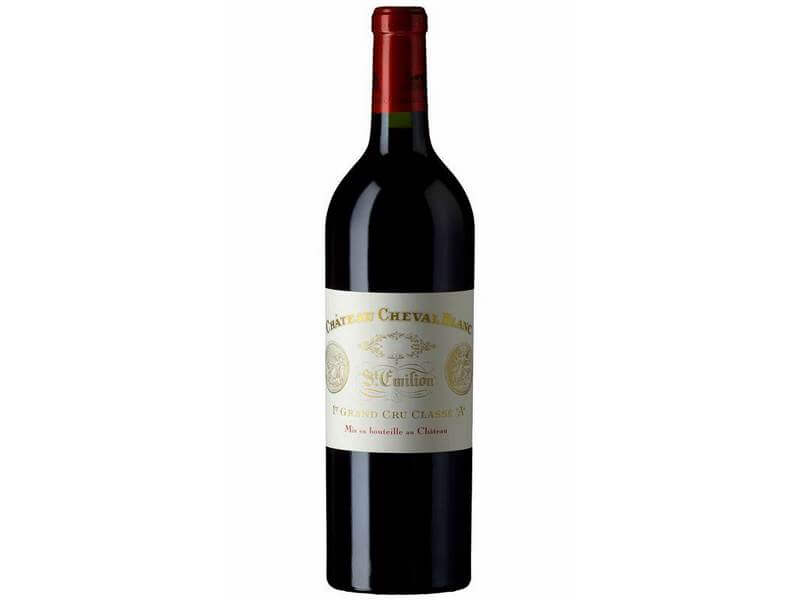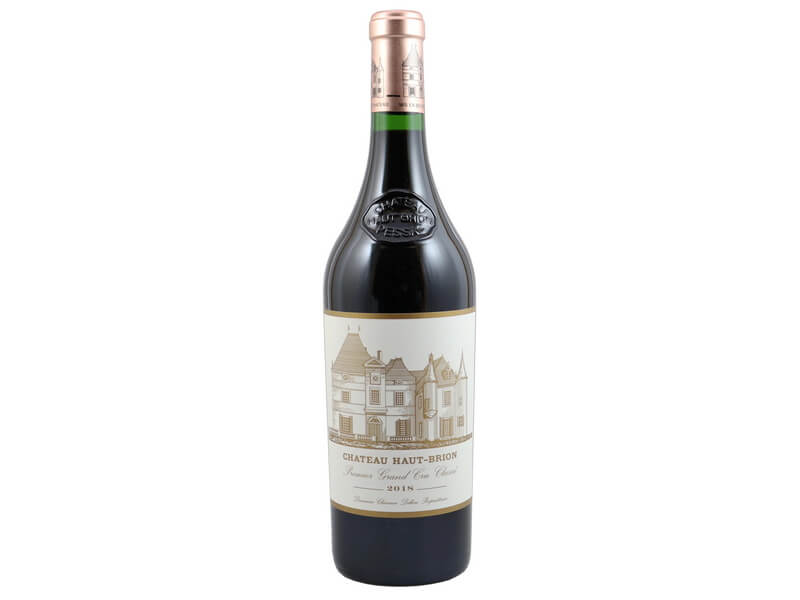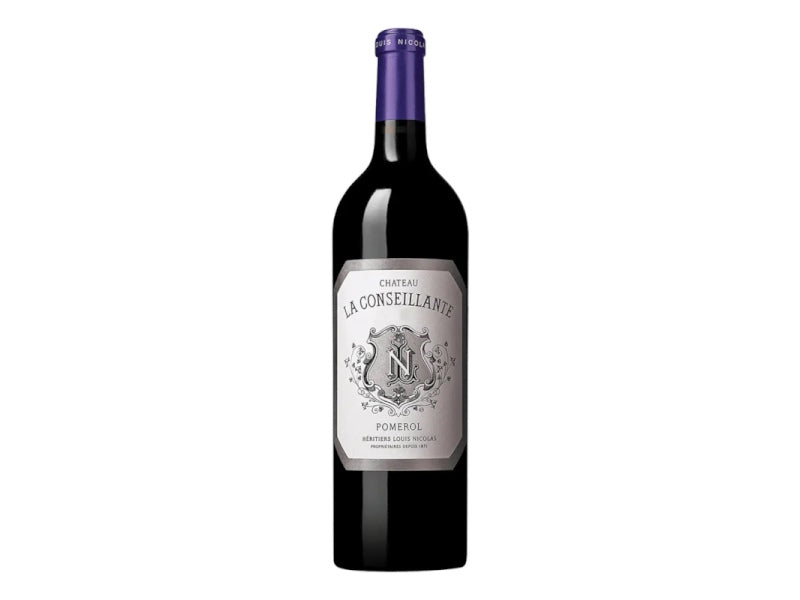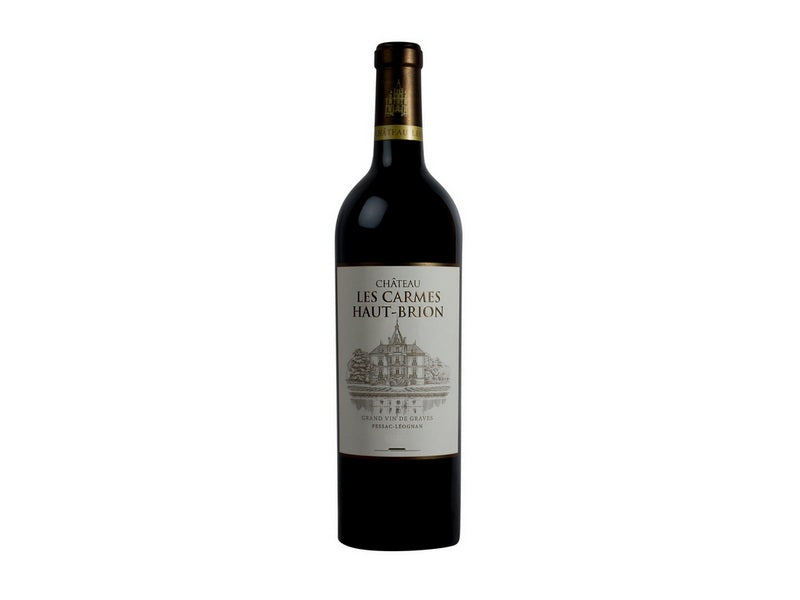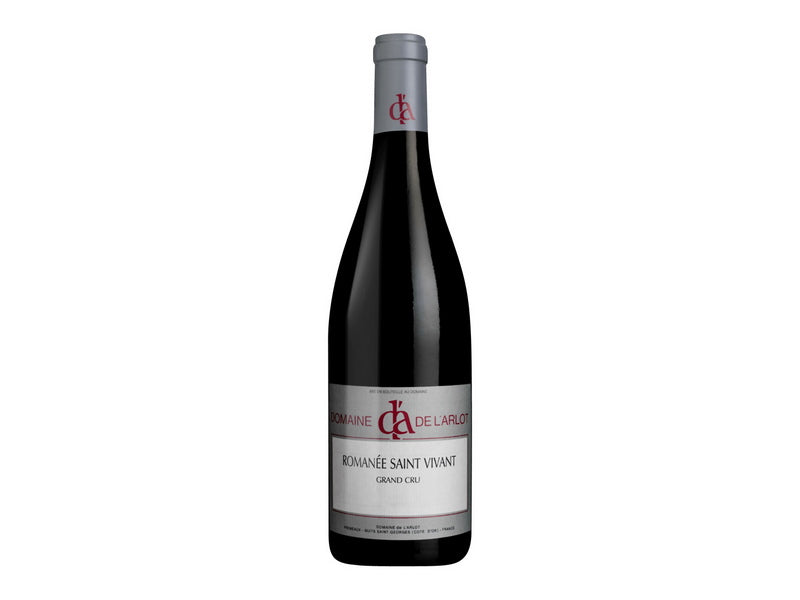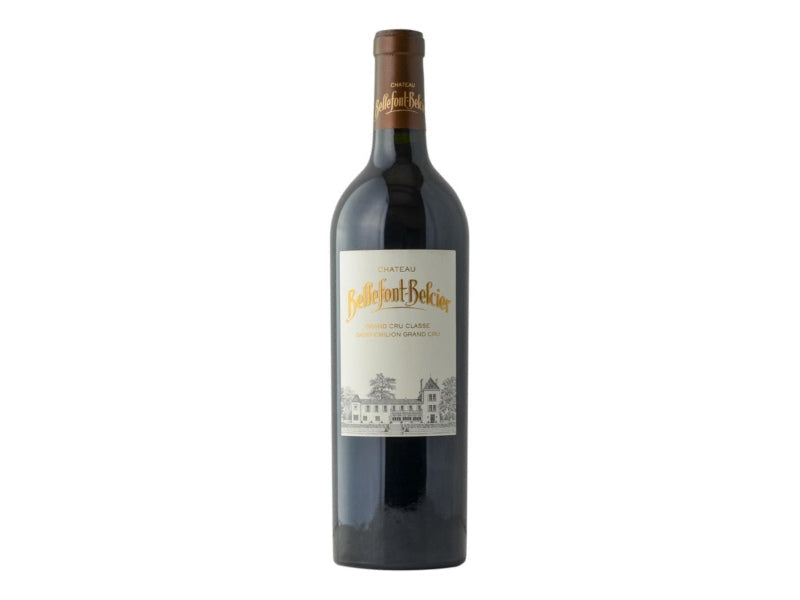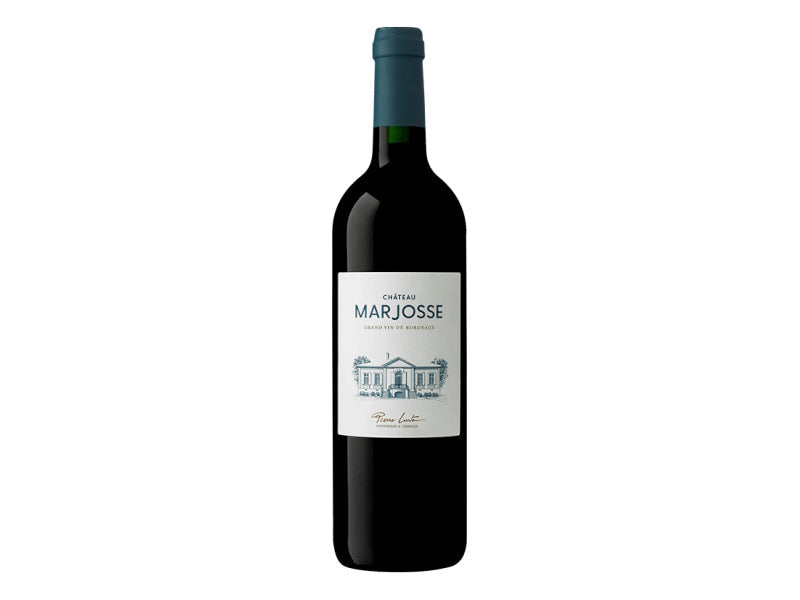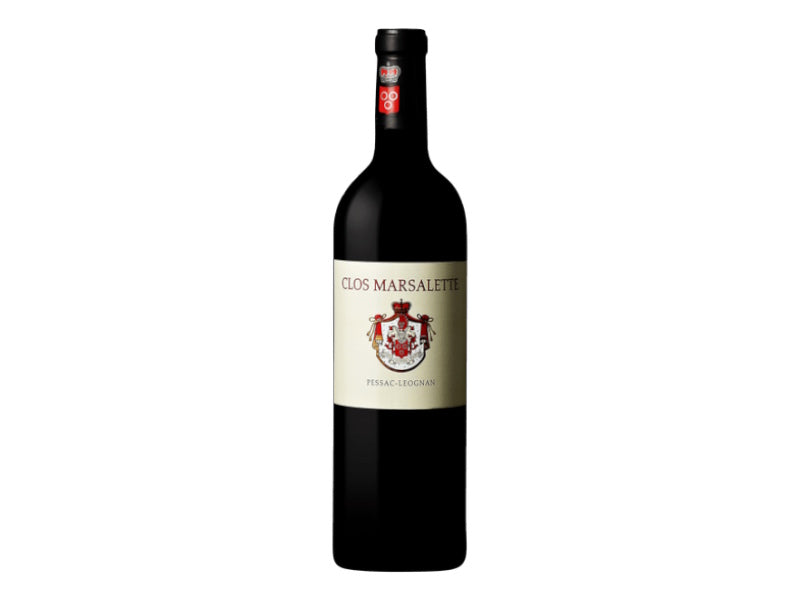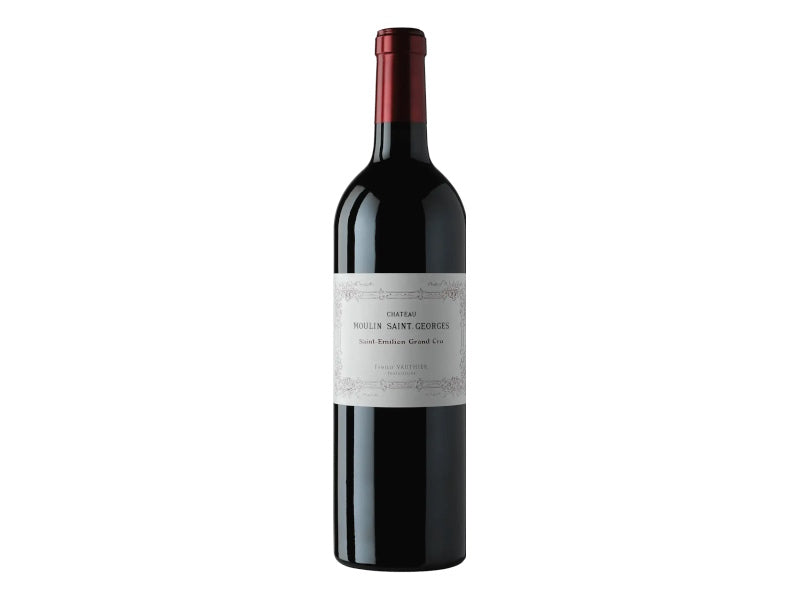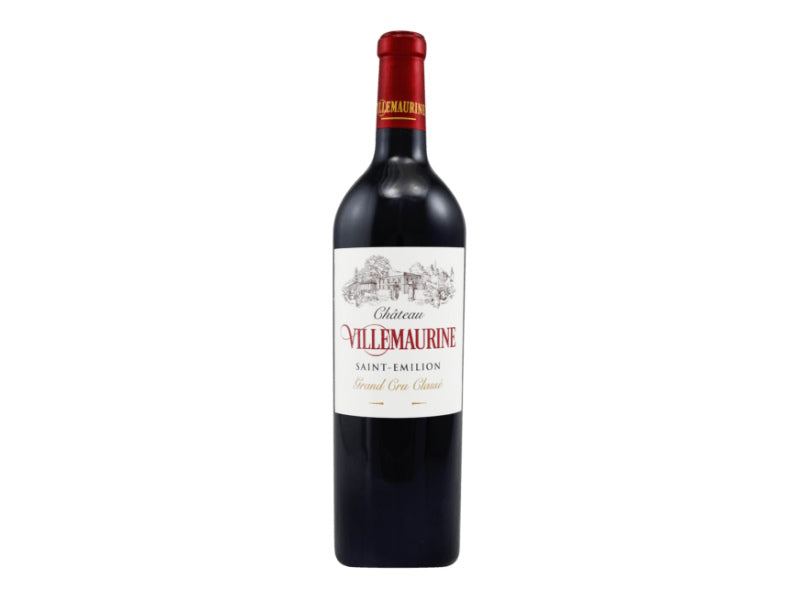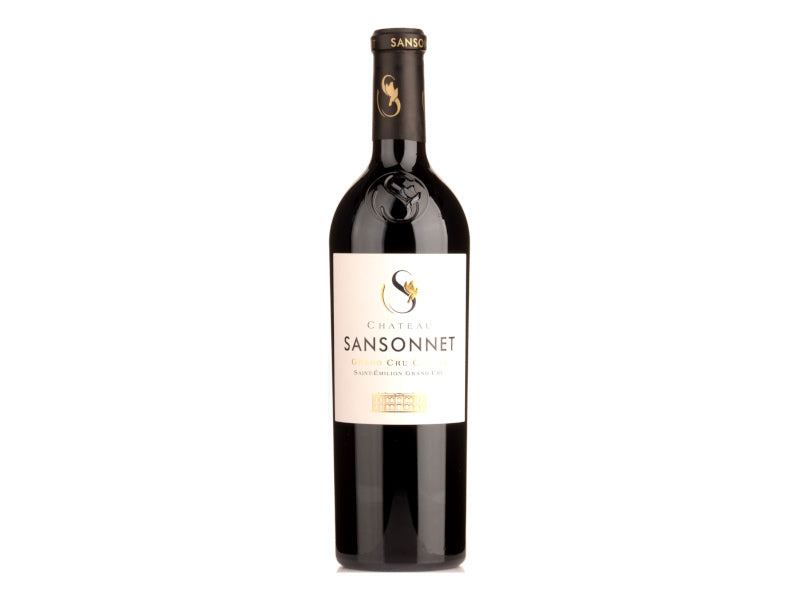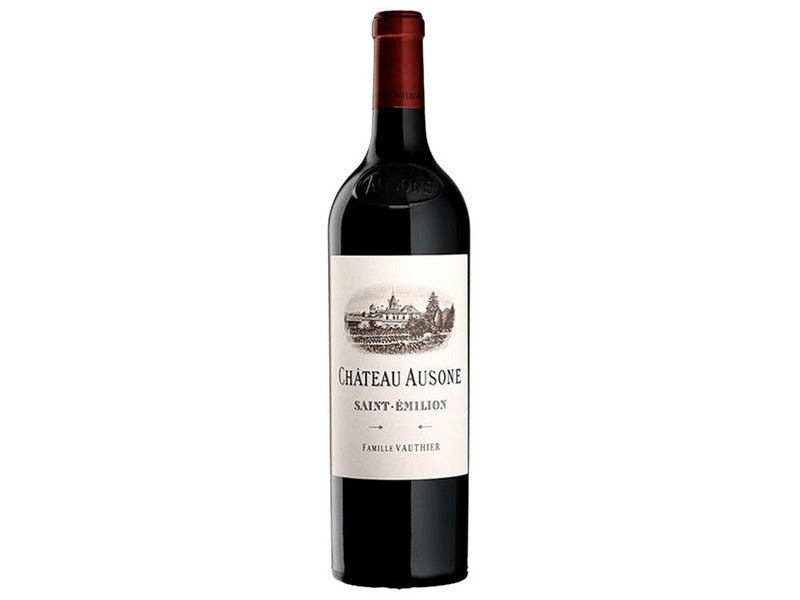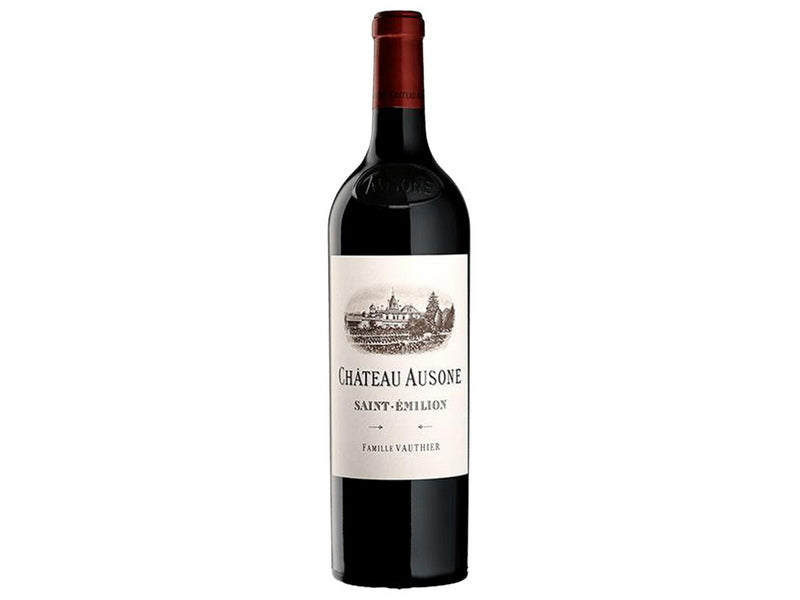


En Primeur—often called “wine futures”—is the system that lets you reserve fine wines like top Bordeaux long before they are bottled, securing allocations early and often at the most compelling moment in their life cycle.
What En Primeur Is (and What It Is Not)
En Primeur, or wine futures, is the practice of buying wine while it is still maturing in barrel, usually in the spring following the harvest. Instead of waiting until bottles appear on shelves, buyers commit early, paying now for wine that will only be bottled and shipped later—commonly around two years after the harvest, depending on the estate and logistics. The wine remains in the château’s or négociant’s bonded storage until it is released, and most purchases are made “in bond,” meaning duty and VAT are only paid if the wine is later removed from bonded storage for delivery.
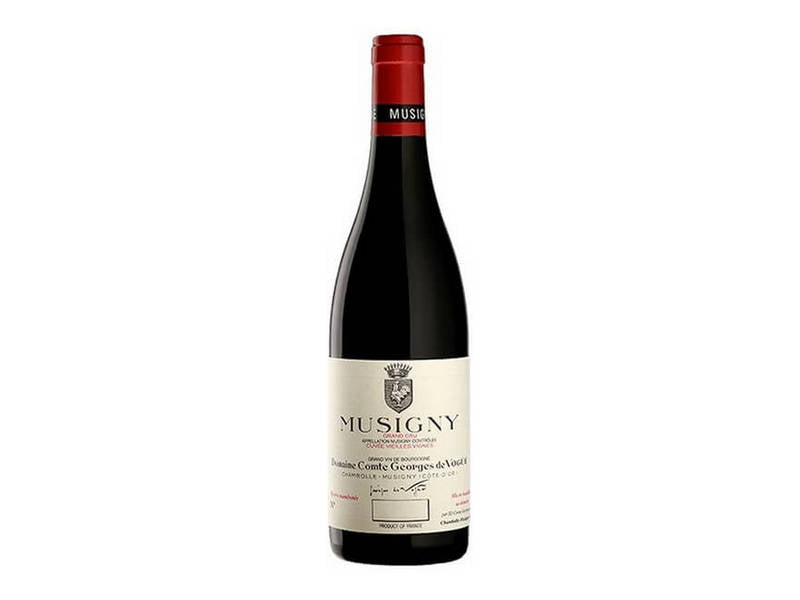
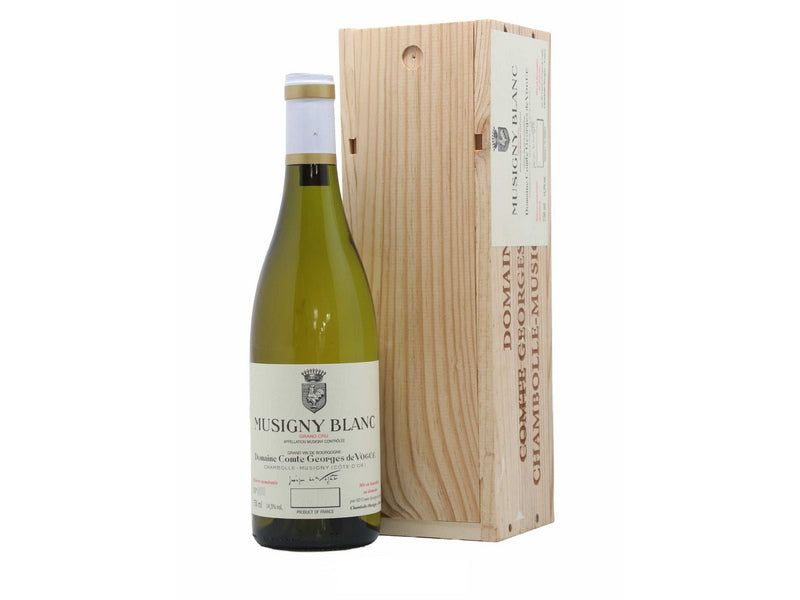
The system is most closely associated with Bordeaux, where it evolved as a way for châteaux to secure cash flow and for merchants to lock in supply before the wines reached the market. Today, some Burgundy domaines and a few top estates in regions such as the Rhône and Champagne also use similar pre‑release allocations, but Bordeaux remains the model and reference point. Importantly, En Primeur is not a guarantee of profit or an abstract financial derivative; it is a way of buying physical wine early through the traditional trade structure, with all the advantages and risks that implies.
How the Bordeaux En Primeur Campaign Works
Each spring, the Union des Grands Crus de Bordeaux and other producers’ groups organize En Primeur Week in Bordeaux, where thousands of critics, merchants and buyers taste the new vintage from barrel. Over a few intense days, tasters visit host châteaux by appellation, sampling young wines from properties across the Médoc, Graves, Saint‑Émilion, Pomerol and Sauternes. Critics publish scores and tasting notes, merchants compile internal reports, and a first consensus on the quality and character of the vintage begins to form.
After this tasting phase, châteaux release their wines in a series of price announcements through the Place de Bordeaux, the long‑established network of courtiers and négociants. Négociants buy from the estates and, in turn, offer the wines to merchants and importers around the world, who then make En Primeur offers to private clients. Pricing is influenced by many factors: the perceived quality of the new vintage, the château’s track record, critic scores, available back‑vintages and overall market sentiment. Because quantities of top wines are often small and allocations tightly managed, En Primeur can be the main opportunity to secure certain labels and formats before they disappear into long‑term cellars.
While Bordeaux produces a large volume of wine overall, the En Primeur campaign focuses on the upper tiers—classified growths and leading Right Bank estates—where global demand is strongest. In smaller regions such as Burgundy, pre‑bottling offers often function as the only realistic way to access highly allocated wines, with allocations tied to loyalty and past purchasing history. In all cases, the basic mechanics are similar: you reserve a future bottle while it is still in barrel, based on trusted information about the estate, the vintage and the market.
How the En Primeur Process Works
-
Vintage and barrel tastings
After harvest and vinification, the new vintage rests in barrel. The following spring, châteaux present barrel samples during En Primeur tastings, where international critics, merchants and journalists assess the wines and publish early reviews and provisional scores. -
Release of prices and allocations
In the weeks after tastings, estates release a first tranche of wine for sale to Bordeaux négociants at an opening price. These négociants then offer the wines to importers and merchants in key markets worldwide, often under strict allocation rules. -
Client offers and purchase
Merchants prepare offers for their mailing lists and clients, describing the wines, critics’ notes, initial pricing and expected delivery timeline. Buyers commit to specific wines and quantities at this stage and pay for the wine itself (excluding future local taxes and shipping). -
Aging, bottling and shipment
The wine continues to mature in barrel until the château decides it is ready for bottling. It is then bottled, labeled and shipped to importers, who arrange customs clearance and distribution to merchants and final customers. -
Final delivery and cellaring
Once the wine arrives in the destination market and all duties and local taxes are settled, it can be shipped to the buyer’s cellar or to professional storage. At this point, the En Primeur process is complete and the wine begins its long bottle‑aging journey.
Why People Buy Wine Futures: Real Benefits
Despite market ups and downs, there are several consistent reasons why serious wine lovers and collectors still use En Primeur.
-
Access to rare and tightly allocated wines
-
Some châteaux release only a limited amount of stock through En Primeur and keep the rest in their own cellars; once those allocations are sold, finding the wine later can be difficult or significantly more expensive.
-
-
Potentially attractive first‑release pricing
-
Opening prices can be lower than the eventual market level if demand is strong and the vintage proves to be highly rated.
-
Because En Primeur takes place when supply is at its highest, economic theory suggests that prices should be relatively keen—though real life does not always follow theory.
-
-
Stronger provenance and storage history
-
Buying at first release through the official trade chain provides a clear provenance trail: from château to négociant to your merchant to your cellar.
-
The wine will typically be stored in professional, temperature‑controlled bonded warehouses until you decide to take delivery, which can protect quality and future resale value.
-
-
Flexibility of formats and allocations
-
En Primeur offers are often the best moment to request specific formats such as magnums, double magnums or larger sizes, which may not be readily available on the secondary market.
-
Long‑term relationships with merchants and consistent En Primeur participation can improve your chances of receiving allocations from highly sought‑after estates.
-
For many buyers, the emotional appeal also matters: following a vintage from barrel through bottling and into maturity creates a sense of connection to the wine that is hard to replicate when purchasing mature stock only.
The Risks and What to Watch Out For
En Primeur is not a magic formula, and reputable guides emphasize that buyers should understand the risks as well as the benefits.
-
Market risk and price volatility
-
Not every campaign results in price appreciation: for example, the much‑lauded 2010 Bordeaux campaign saw record release prices followed by a sharp correction, leaving some buyers worse off than if they had waited.
-
Macroeconomic conditions, currency movements and changing critical fashion can all affect secondary‑market values.
-
-
Quality mis‑pricing
-
If châteaux set release prices too high relative to perceived quality, the market may resist, and later vintages or back‑vintages might offer better value.
-
Paying a premium En Primeur price for an average wine makes little sense; disciplined selection is key.
-
-
Time horizon and liquidity
-
En Primeur is best suited to buyers who are comfortable having money tied up in wine for several years, from payment to bottling and then through ageing in cellar.
-
Liquidating positions quickly can be difficult, especially for less famous labels or in weak markets.
-
-
Counterparty and storage
-
It is essential to buy through reputable merchants and importers who secure stock through established channels and store it in proper bonded facilities.
-
Due diligence on the seller and clear documentation of your holdings—such as contract notes and warehouse statements—are basic risk‑management steps.
-
In short, En Primeur is a tool, not a guarantee. Used thoughtfully, it can be a powerful way to build a high‑quality cellar; used indiscriminately, it can lead to disappointment.
Who En Primeur Is For (and How to Use It Wisely)
En Primeur tends to work best for a certain type of buyer: someone who loves fine wine, takes a long‑term view and values provenance, access and precision over quick flips.
Practical guidelines from specialist merchants and investment platforms include:
-
Focus on producers and regions you know
-
Prioritize châteaux with strong track records across multiple vintages and clear critical support.
-
Consider how the new vintage fits into your existing holdings of that estate or appellation.
-
-
Compare En Primeur prices with back‑vintages
-
Before committing, check how the new offer compares with similar recent vintages already on the market; if mature stock is cheaper, futures may not be compelling.
-
-
Use trusted critics and merchants as filters
-
Look at a range of tasting notes and scores, not just one source, and pay attention to consistency of opinion.
-
Work with merchants who taste comprehensively and are willing to give balanced, not merely promotional, advice.
-
-
Think in terms of cellar strategy, not isolated bets
-
Use En Primeur to fill specific gaps—e.g., top vintages of appellations you follow, or to secure formats you know you will want in ten or twenty years.
-
Spread exposure across several estates and vintages rather than concentrating all your budget in one headline campaign.
-
For buyers of premium French wines—notably Bordeaux, but also select Burgundy and Champagne releases—En Primeur remains one of the most sophisticated ways to curate a cellar that reflects both personal taste and the evolution of great terroirs over time.
Practical Tips for First‑Time En Primeur Buyers
-
Read more than one source
Before purchasing, it can be helpful to read several perspectives on the vintage and the estate, including educational articles, critic reports and merchant notes. -
Know your time horizon
En Primeur purchases tie up capital for several years: first during barrel aging and bottling, and then during bottle aging in your cellar or professional storage. Make sure this aligns with your broader collecting and investment plans. -
Choose merchants carefully
Work with specialist wine merchants that clearly state their terms, provenance standards, shipping policies and expected delivery dates. Transparent communication around ETAs, duties and logistics should be considered a core part of the service.
By understanding the mechanics of En Primeur and the philosophy behind estates like Château Pontet‑Canet, buyers can decide whether Bordeaux futures are an appropriate and rewarding part of their fine‑wine strategy.
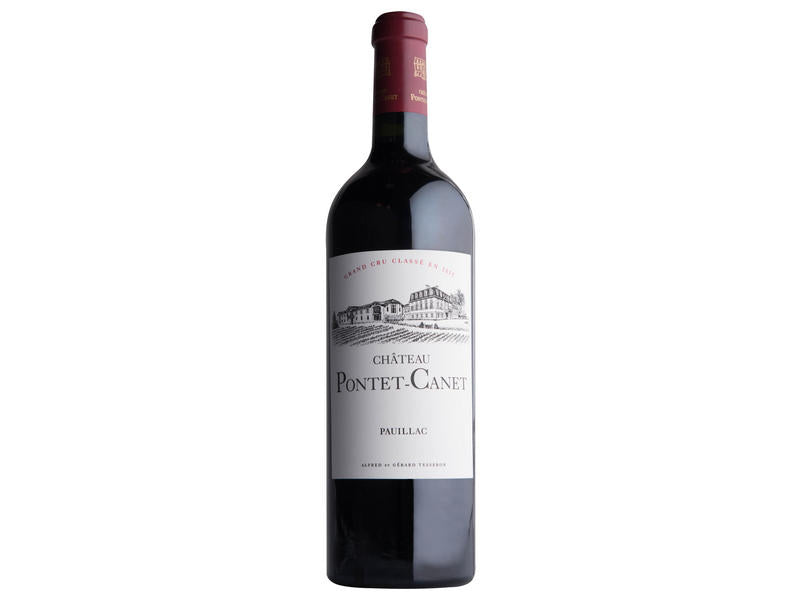
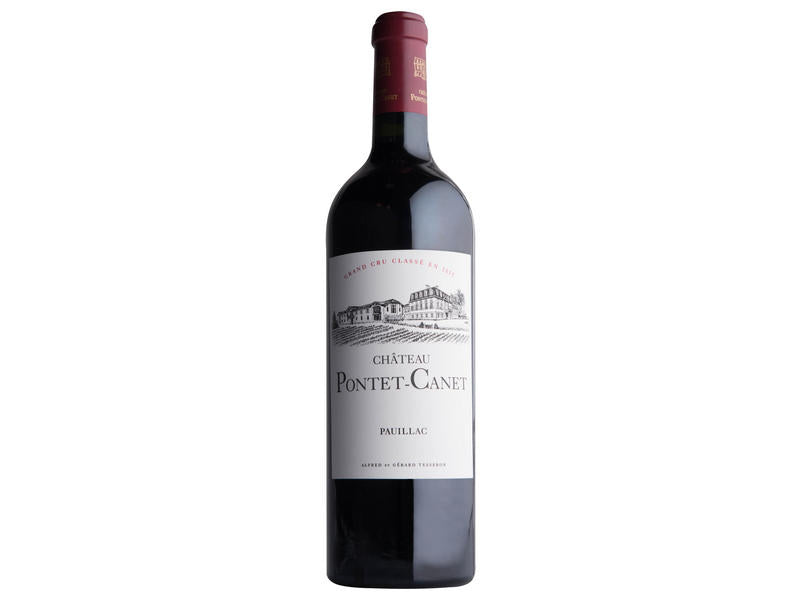
Château Pontet‑Canet: A Case Study in Modern Pauillac
Château Pontet‑Canet is a Fifth Growth (5ème Grand Cru Classé) estate in Pauillac that has become a reference point for biodynamic Bordeaux. Its 81‑hectare vineyard sits on classic deep gravel over clay‑limestone soils, and the estate has been owned by the Tesseron family since 1975.
Pontet‑Canet was one of the first Bordeaux Grands Crus Classés to convert its entire vineyard to certified organic and biodynamic farming, achieving organic certification with Ecocert and biodynamic certifications with Biodyvin and Demeter. The team is known for using horses instead of tractors in much of the vineyard work to reduce soil compaction and preserve the ecosystem, as well as for a holistic approach to cover crops and biodiversity.
Stylistically, Pontet‑Canet is recognized for:
-
A Cabernet Sauvignon‑led profile with deep blackcurrant fruit, graphite, and Pauillac structure.
-
Wines that often show well both young (after a few years in bottle) and over two or more decades in a proper cellar.
Recent professional tastings have highlighted the quality and consistency of Pontet‑Canet over a decade of biodynamic farming, with multiple vintages receiving high critical acclaim.
Sources: WineInvestment.com, FineWineLibrary.nl, idealwine, Cru World Wine, CultX, Vintage by UGCB, CellarTours, Decanter, Normanby Fine Wines.
Picture: Symbolic Wines