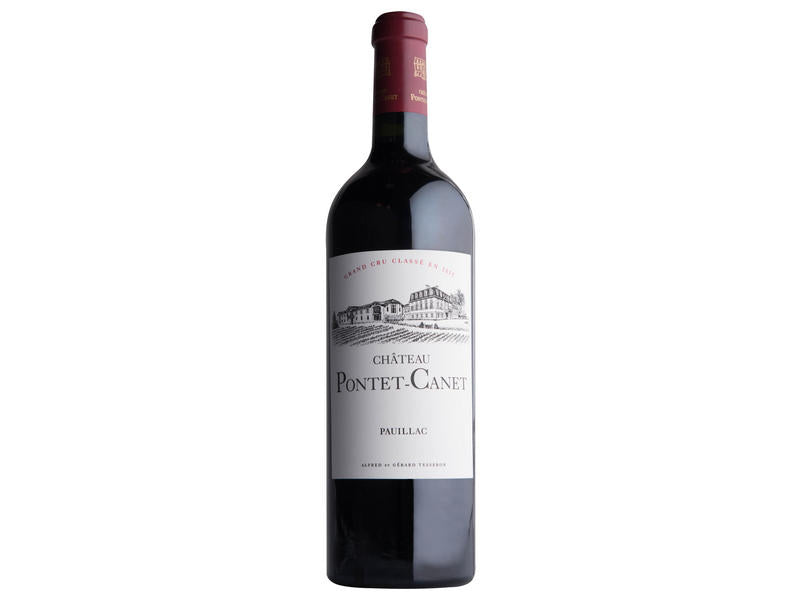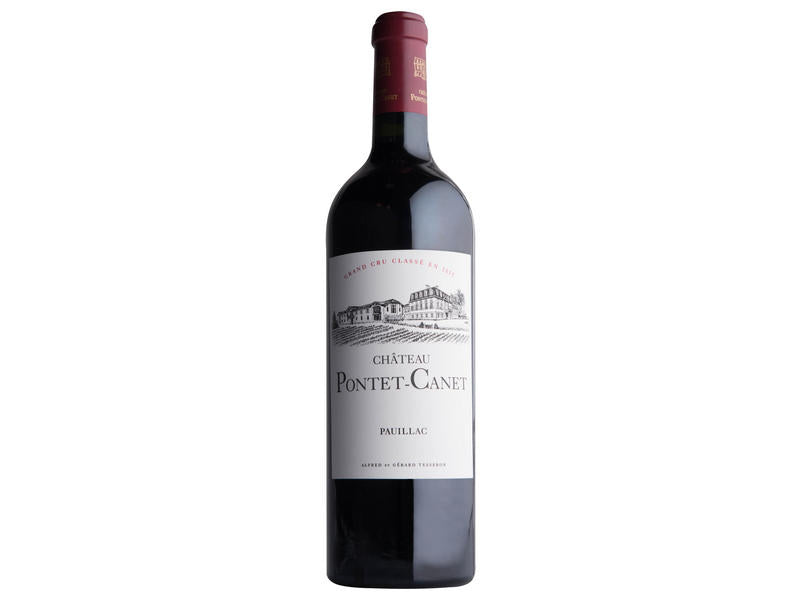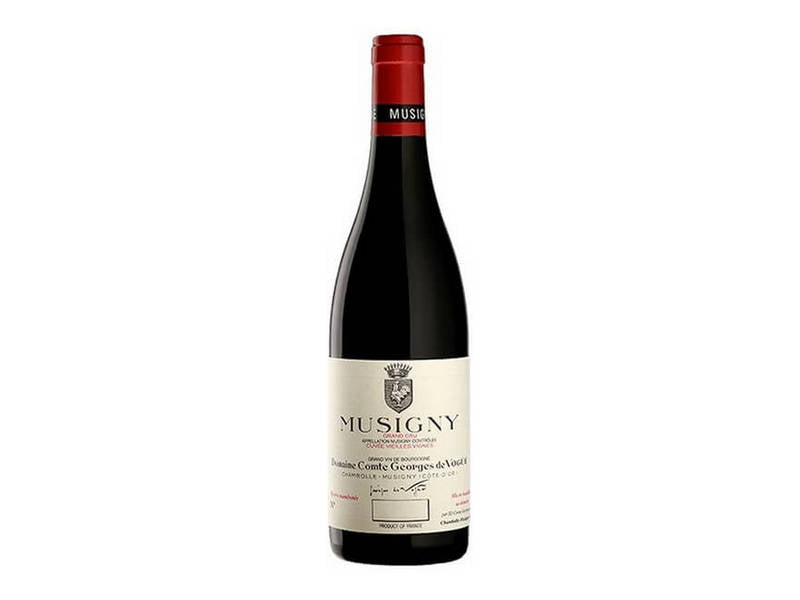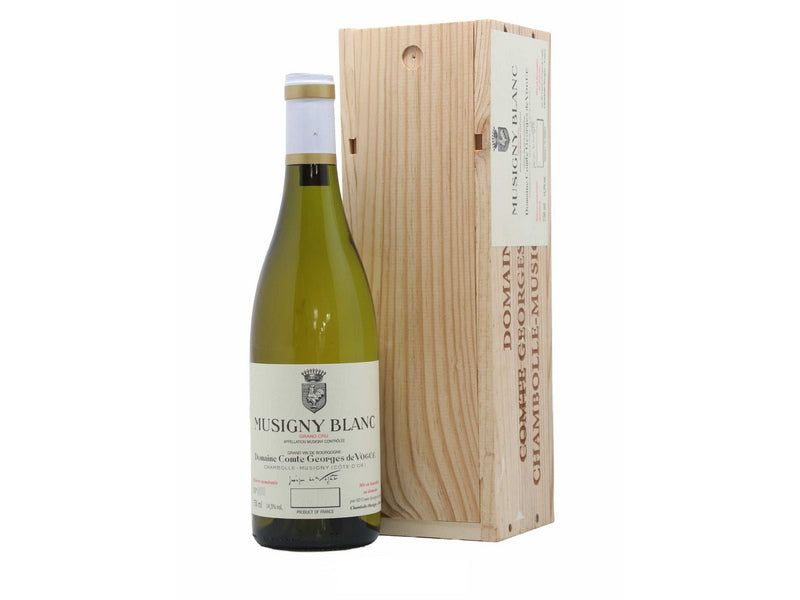


Last week’s Bordeaux 2025 En Primeur picks at Symbolic Wines are not a random shortlist but a concentrated selection of blue-chip names where critical support, terroir reputation, and scarcity are aligned in a small, high-quality vintage.
Bordeaux 2025 En Primeur is quickly turning into a vintage where selectivity matters more than ever, and our decision at Symbolic Wines to focus on a concise set of blue‑chip releases reflects that reality. The wines below all combine serious critical support, strong terroir credentials, and profiles that look built for long‑term performance in what is a small, high‑quality year.
The 2025 Backdrop: Small, High Quality, and Brand‑Driven
Independent reporting on Bordeaux 2025 converges on three points that matter to collectors and investors: production is down, quality at the top is high, and the market is cautious but highly brand‑selective. Vin‑X notes that 2025 is “the smallest Bordeaux vintage since 1991,” emphasizing the combination of low yields and very good ripeness, which structurally favors estates with strong global demand. WineInvestment.com describes 2025 as a year where “quality returns” with depth, freshness, polished tannins and moderate alcohol, but warns that buyers need to be selective given recent corrections and the availability of back‑vintages.
In this context, 2025 En Primeur is not about buying everything; it is about focusing on wines where (1) critics see real potential, (2) estates have proven track records across multiple vintages, and (3) scarcity and brand strength can work in your favor post‑bottling. That is the logic behind the Symbolic Wines shortlist.
Lafite & Mouton: First‑Growth Halo and Second‑Wine Precision
2025 Carruades de Lafite, Pauillac
Carruades de Lafite remains one of the most closely watched second wines in Bordeaux because it delivers the Lafite name and style at a lower entry point. Frazier Jones Wine reports a Robert Parker Wine Advocate barrel range of 91–93 points for Carruades 2025, with Jancis Robinson scoring it 17/20, underlining that this is a serious Pauillac in its own right, not a casual by‑product. Their note describes classical blackcurrant‑led fruit, Lafite signature finesse, and a structure geared for drinking over a broad window once bottled.
For investors and collectors, Carruades often tracks Lafite sentiment with less volatility, offering exposure to the brand’s demand curve and distribution network at a more flexible price point. In a small, high‑quality vintage like 2025, that leverage to the Lafite halo becomes particularly relevant.
2025 Ch. Mouton Rothschild, Pauillac & 2025 Aile d’Argent
While detailed 2025 barrel scores for Mouton Rothschild are still being collated, broader First‑Growth coverage points to 2025 as another high‑performing year for the top châteaux, with Lafite, Latour, Margaux and their peers commonly landing in 98–100‑point bands from major critics. Aile d’Argent, Mouton’s dry white, has built a consistent reputation in recent vintages as one of the Left Bank’s more serious Bordeaux blancs, with the 2024 wine, for example, attracting 89–91 points from Vinous (Neal Martin) and notes emphasizing brightness, lime‑flower aromatics and structure.
In practice, a combination of Mouton 2025 plus Aile d’Argent 2025 lets collectors express both sides of the estate—iconic Pauillac red and structured, age‑worthy white—in a small vintage that favors limited, high‑signal allocations.
Palmer & Pichon Comtesse: Left‑Bank Icons with Modern Profiles
2025 Château Palmer, Margaux
Professional coverage of Château Palmer 2025 has been unequivocally strong. Premium Grands Crus lists James Suckling 97/100, Antonio Galloni (Vinous) 96/100, and Lisa Perrotti‑Brown 95/100 for the 2025 Palmer, placing it firmly in the top end of Margaux and of the vintage overall. A separate review by a Master of Wine on Wine‑Searcher’s platform rates the wine 95–97/100, describing a Palmer driven by the “vivacity and energy of Merlot,” with beautiful red‑fruit perfume, fine dense tannins and the ability to age for decades while remaining relatively accessible in youth.
For those building long‑term Left‑Bank holdings, Palmer has become one of the key reference points for a more supple but still age‑worthy Margaux style, and 2025’s scorecard supports inclusion in any serious blue‑chip basket.
2025 Pichon Longueville Comtesse de Lalande
While the specific second‑wine “Réserve de la Comtesse” 2025 is reported at a top En Primeur score of 93 points, highlighted for its refined style and balance, the overall Comtesse stable is again being flagged as a must‑watch Pauillac address in 2025 by specialist Bordeaux outlets. Frazier‑Jones’ data for Reserve de Pichon Comtesse show critic bands of 90–92, with tasting notes emphasizing expressive black and red fruits, floral lift, silky texture and early accessibility while retaining the Pichon Comtesse signature.
For investors, the presence of both Grand Vin and a critically respected second wine in 2025 strengthens the case for Pichon Comtesse as a Left‑Bank core holding in this small vintage, particularly where pricing remains disciplined relative to 2019 and 2020.
La Mission Haut‑Brion & Pessac‑Léognan: Red and White Benchmarks
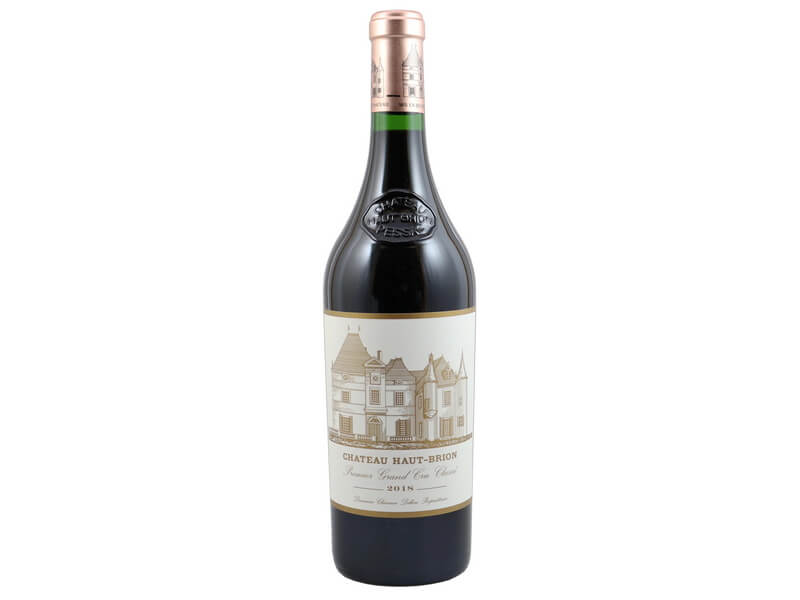
2025 Ch. La Mission Haut‑Brion, Pessac‑Léognan Rouge
The estate’s own En Primeur release notes describe La Mission Haut‑Brion 2025 rouge as a wine of “dazzling, luminous red hue” with an expressive nose of black fruit, blackcurrant and mocha, and a palate that is “powerful, with clear structure,” finishing with a “majestic” peacock‑tail‑like expansion. The blend is 58.3% Merlot, 38.3% Cabernet Sauvignon and 3.4% Cabernet Franc, with provisional alcohol of 13.6% and 59% new barrels, showing a classic but not extreme profile for the estate.
Given La Mission’s track record—regularly sitting just behind Haut‑Brion itself in critic tables—this kind of description in a low‑volume, high‑quality year supports the view that 2025 could be one of the stronger vintages in the château’s modern run, with the structure to age gracefully.
2025 Ch. La Mission Haut‑Brion Blanc & 2025 Ch. Haut‑Bailly
For the Mission Haut‑Brion Blanc 2025, the estate reports a pale yellow, shimmering color and an expressive nose of white flowers, lilac and mango, moving into a rich, persistent palate where Sémillon “gives body and fleshiness.” The blend is 64.5% Sémillon and 35.5% Sauvignon Blanc, with 14.5% alcohol and 31% new oak, finished by “lovely bitter notes” that bring freshness and a “smooth, canonical roundness.” Among Left‑Bank whites, Mission Blanc consistently sits in the very top tier, and 2025’s profile suggests a wine that will reward both mid‑ and long‑term cellaring.
Château Haut‑Bailly, meanwhile, has been repeatedly highlighted by Bordeaux market commentators as one of the most reliable Pessac‑Léognan reds for investment purposes thanks to its consistent quality, rising critical reputation, and carefully managed volumes. In a vintage where Pessac‑Léognan is widely seen as a winner for both reds and whites, Haut‑Bailly 2025 naturally qualifies as a core Left‑Bank inclusion.
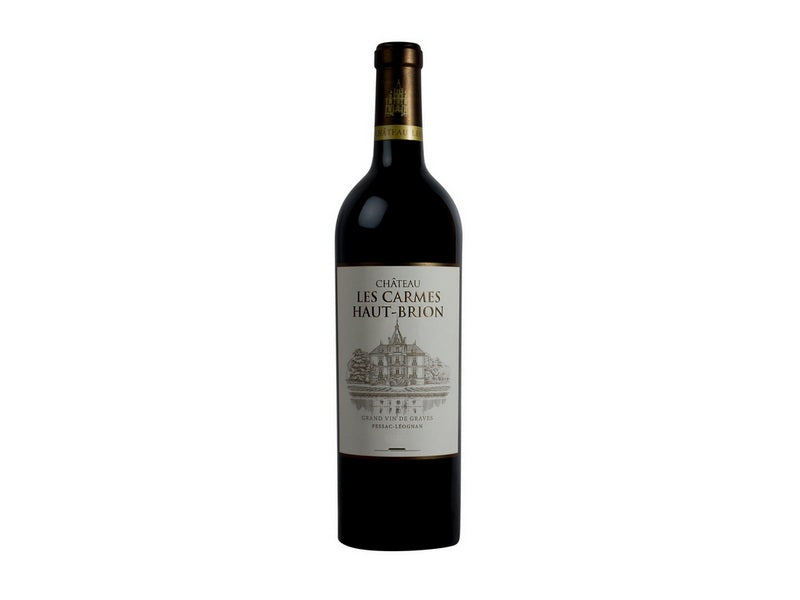
2025 Ch. Les Carmes Haut‑Brion
Château Les Carmes Haut‑Brion has, over the last decade, moved from insider favorite to one of the most discussed names in Bordeaux, particularly among collectors who value high Cabernet Franc proportions and a distinctly modern, perfumed style. In 2025, several En Primeur reports call Les Carmes one of the most striking wines of Pessac‑Léognan, combining aromatic complexity with fine‑grained tannins and a clear sense of identity that stands apart from many neighbors. For a portfolio, it offers an interesting contrast to the more classical La Mission and Haut‑Bailly, while still sitting firmly in the “serious, age‑worthy” camp.
Right Bank Power: Pavie and Canon
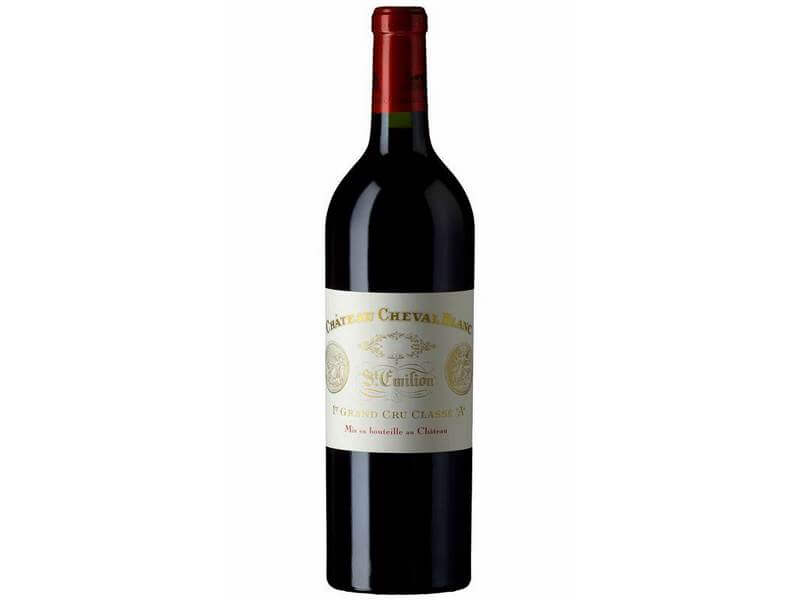
2025 Ch. Pavie, Saint‑Émilion 1er Grand Cru Classé A
With its Premier Grand Cru Classé “A” status since 2012, Château Pavie occupies a small, elite group at the top of Saint‑Émilion. The 2025 Pavie is one of the most talked‑about Right Bank wines of the campaign: Bordeaux specialist De Bruijn in Wijnen calls it “one of the most discussed wines of the right bank in 2025,” underscoring both the estate’s ongoing evolution and the intensity of attention around this vintage.
The 2025 blend is reported as 60% Cabernet Franc, 30% Merlot and 10% Cabernet Sauvignon, which is notably Cabernet‑Franc‑driven for Pavie. Tasting notes describe intense aromas of cassis, black cherries and plums, layered with violets, espresso, dark chocolate, mint, licorice and graphite; on the palate it is powerful and concentrated but “strikingly refined and energetic” with soft tannins and a long, limestone‑driven finish. Critic scores are correspondingly high: Vinum 99 points, Yves Beck 98–100, and James Suckling 98–99, with Pavie positioned firmly among the stars of the vintage.
For investment‑minded buyers, Pavie 2025 offers exactly what one looks for in a small, high‑quality year: elevated scores, iconic classification, and a distinctive style anchored in limestone terroir.
2025 Ch. Canon, Saint‑Émilion
Château Canon has, over the past decade, become one of the most sought‑after Right Bank names, with a track record of high scores and strong secondary‑market performance. In his “Wednesday Wines” 2025 En Primeur review, Matthew Jukes calls Château Canon 2025 “very Canon… a stunningly floral wine with an ultra‑sleek chassis and glorious fruit throughout,” awarding it 18.5+/20. That kind of language—paired with Canon’s existing reputation from vintages like 2015, 2016, 2019 and 2020—supports the view that Canon 2025 is a prime candidate for long‑term cellaring and potential price outperformance once bottled.
Additional Left‑Bank Pillars: Beychevelle, Léoville Poyferré, Rauzan‑Ségla
2025 Château Beychevelle, Saint‑Julien
Beychevelle has benefited in recent years from both qualitative progress and strong branding, and is regularly cited in market commentary as one of the Saint‑Julien labels with a combination of critical respect and broad appeal. In a vintage where Saint‑Julien has again performed strongly, Beychevelle 2025 stands as a natural candidate for inclusion when building a diversified set of top Left‑Bank holdings.
2025 Château Léoville Poyferré, Saint‑Julien
Léoville Poyferré is another Saint‑Julien estate that appears frequently in “wines to watch” lists, combining dense fruit, modern polish and a strong track record for high scores in top vintages. Professional Bordeaux guides often bracket it alongside Léoville Barton and Léoville Las Cases as a core component of any Saint‑Julien‑focused allocation in strong years. In 2025, with Saint‑Julien delivering classically framed yet accessible wines, Léoville Poyferré aligns well with an investor’s need for both quality and liquidity.
2025 Château Rauzan‑Ségla, Margaux
Château Rauzan‑Ségla has undergone a well‑documented qualitative renaissance over the last two decades, and is now frequently mentioned in the same breath as top Margaux estates outside the First Growth itself. In recent strong vintages, Rauzan‑Ségla has attracted scores in the mid‑ to high‑90s and has been favored by critics for its blend of Margaux perfume and structural seriousness. In a small 2025 vintage where Margaux has again fared well, Rauzan‑Ségla offers a compelling mix of pedigree, critical attention and relative value versus some of its peers.
Pomerol Focus:
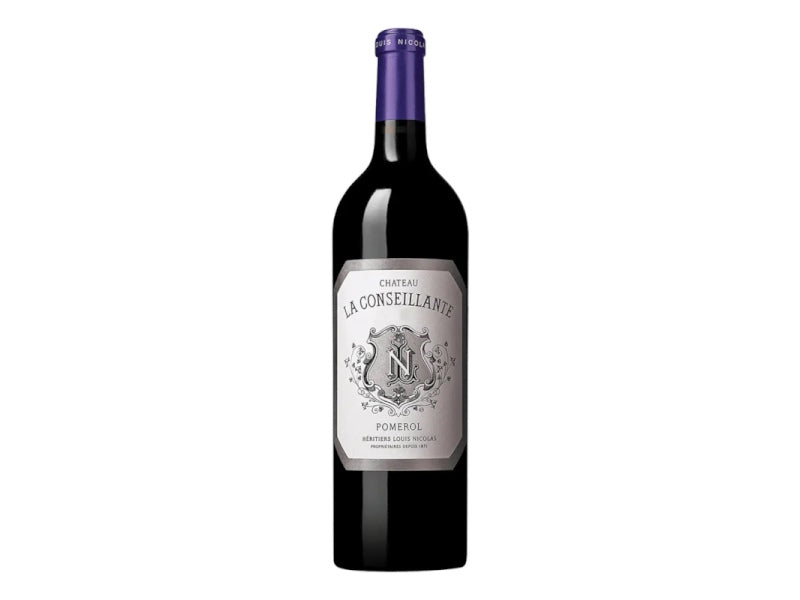
2025 Château Clinet
Château Clinet is one of the established names on the Pomerol plateau, and trade coverage frequently highlights it as a benchmark for modern, fruit‑rich but structured Pomerol. In 2025, Pomerol has again produced some of the Right Bank’s most concentrated and polished wines, benefitting from its clay and gravel soils in a warm, dry year. Clinet 2025 is consequently a logical inclusion in a portfolio that already features Saint‑Émilion heavyweights like Pavie and Canon, providing a complementary Merlot‑driven expression of the vintage’s right‑bank potential.
Why These 2025 Futures at Symbolic Wines
Across all of these wines, the through‑lines are clear:
-
Concentration on blue‑chip terroirs with proven track records
-
– First Growths, top Margaux and Pauillac estates, elite Pessac‑Léognan, and leading Right Bank names in Pomerol and Saint‑Émilion.
-
-
Strong En Primeur critical support
-
– multiple wines in high‑90s or equivalent bands from key critics, with Pavie and Canon explicitly singled out as among the stars of the vintage.
-
-
Small‑vintage scarcity
-
– 2025 is the smallest Bordeaux crop since 1991, meaning that even modest reductions in En Primeur release volumes can have outsized effects once the wines are bottled and demand consolidates around top names.
-
For collectors and investors, this is not about speculating on marginal labels; it is about using En Primeur to secure allocations of wines that will matter in any serious discussion of Bordeaux 2025 for decades to come. Our Symbolic Wines selection reflects that philosophy: fewer wines, higher conviction, and a clear emphasis on estates where quality, brand, and scarcity are aligned.
Sources: Frazier Jones En Primeur pages for Carruades de Lafite 2025 and Reserve de Pichon Comtesse 2025, Premium Grands Crus and Wine‑Searcher coverage of Château Palmer 2025, Château La Mission Haut‑Brion’s official 2025 vintage notes, De Bruijn in Wijnen’s Château Pavie 2025 report, WineInvestment.com Bordeaux 2025 analysis, Winecap 2025 En Primeur commentary, Vin‑X 2025 vintage notes, Matthew Jukes “Wednesday Wines” Canon 2025 review, Decanter’s Bordeaux 2025 En Primeur insights, and broader Bordeaux investment and critic overviews.