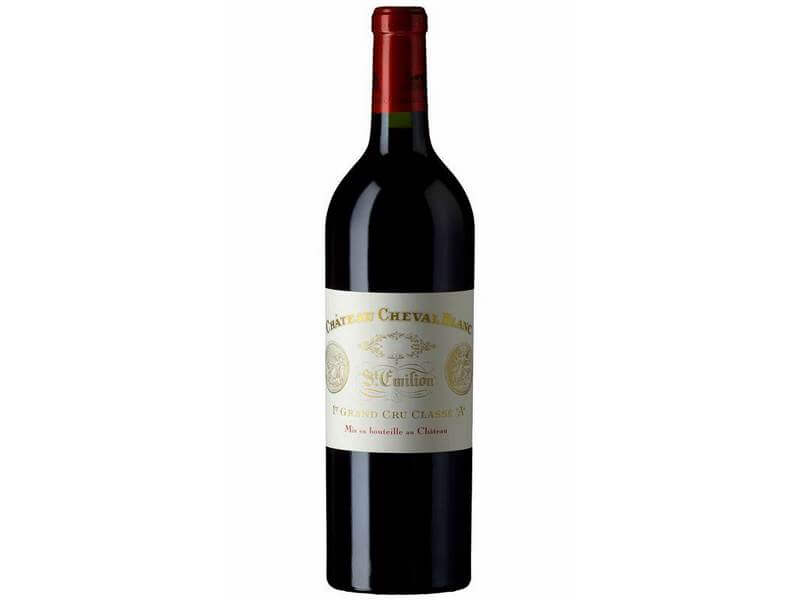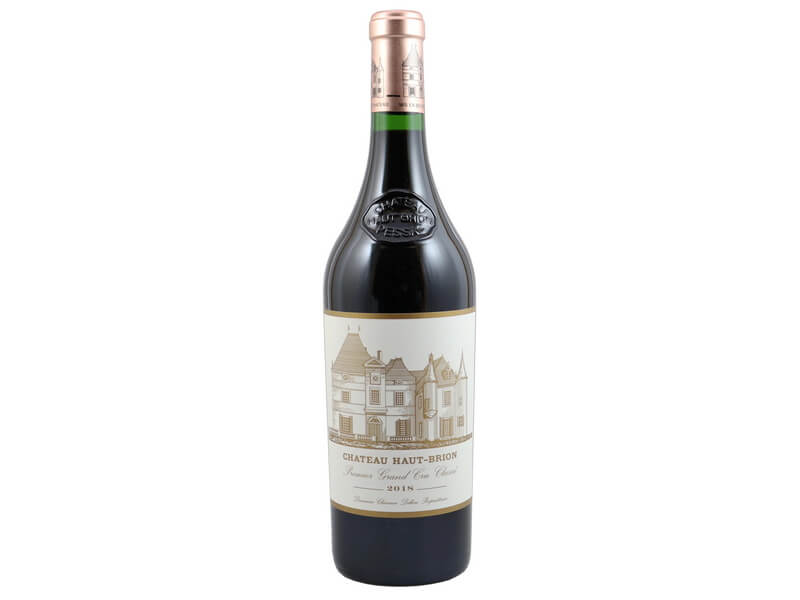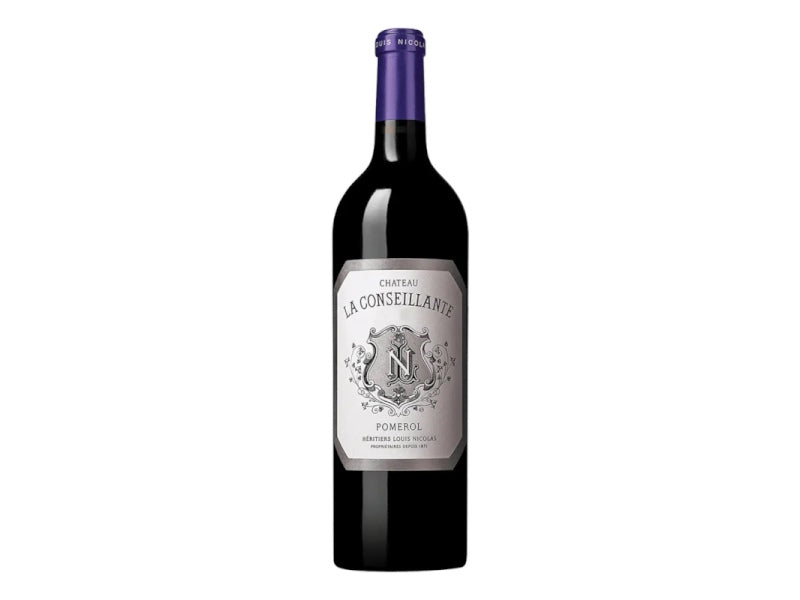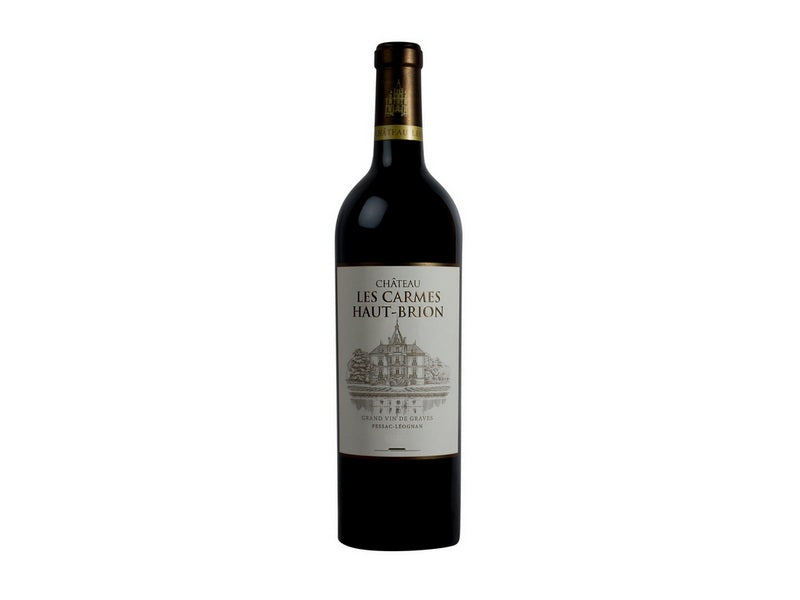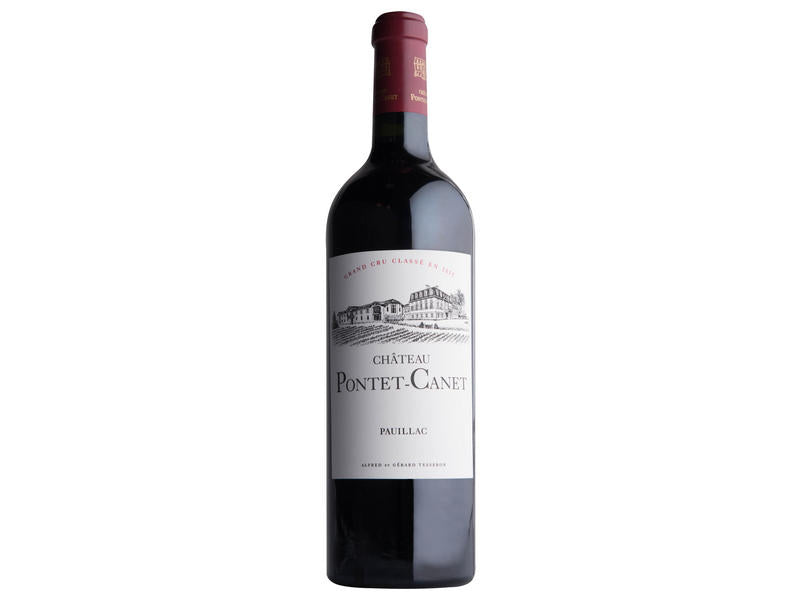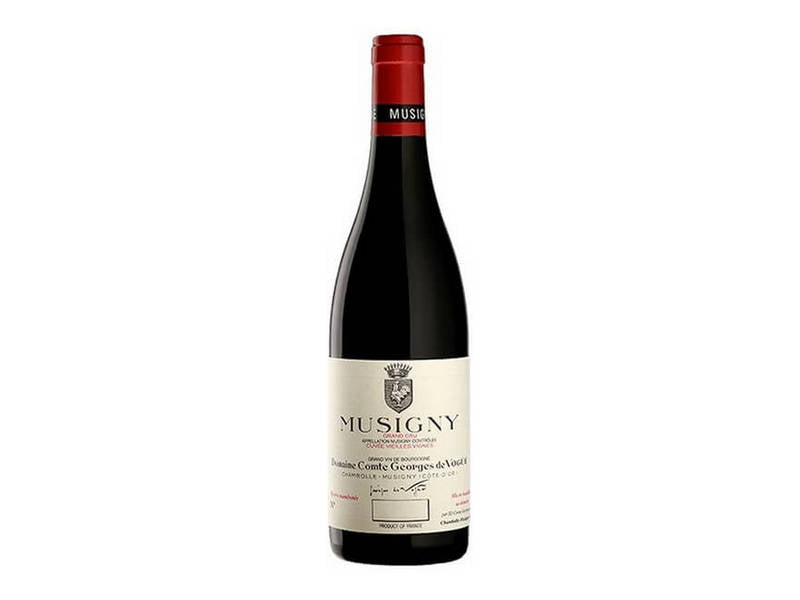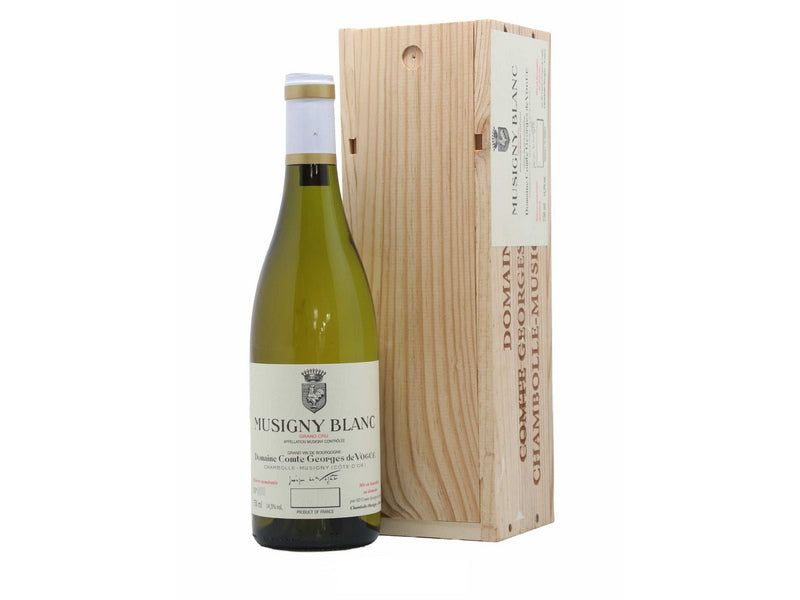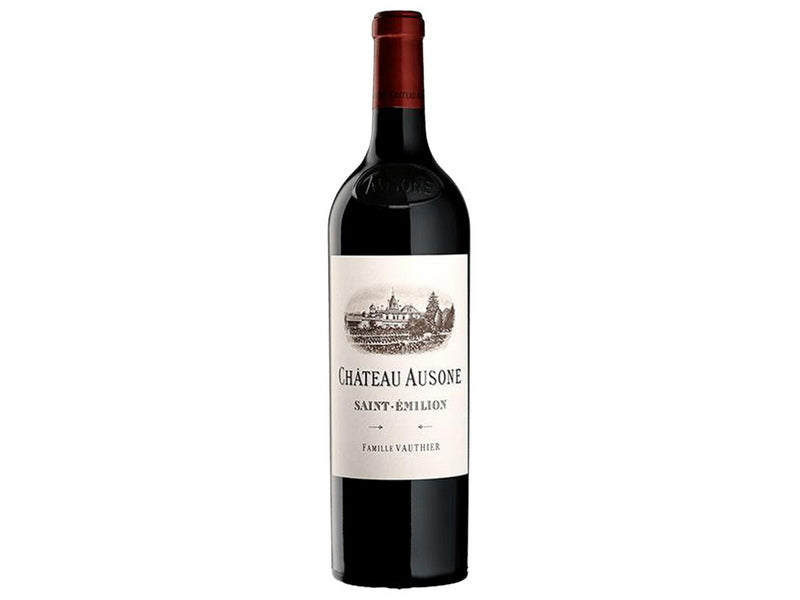


At first glance, some Bordeaux 2025 En Primeur release prices will feel punchy in a cautious market—but when you pair the data on vintage quality, scarcity and historical pricing behavior, it becomes clear why carefully chosen 2025 futures could look underpriced in hindsight once the wines are bottled and mature.
1. The Setup: Smallest Vintage in 34 Years, With Benchmark-Level Quality
Any discussion of 2025 pricing has to start with two hard facts: unusually low volumes and unusually strong quality. Vin‑X reports that early intelligence ahead of the campaign indicates that 2025 is the smallest Bordeaux vintage since 1991, with 2024 the second smallest. The same source notes that 2025 is “the smallest in 34 years,” with a hotter and extremely dry growing season, drought-affected yields in some areas, and vine losses further reducing output.
At the same time, multiple En Primeur reports describe 2025 as a high‑quality, low‑yield “quality over quantity” vintage. WineInvestment.com summarizes the year as combining “the depth of a warm year with freshness, polished tannins, lower alcohols and a level of approachability rarely seen in Bordeaux at this quality level.” Another analysis notes that yields were “lower than average across key appellations, reinforcing a quality‑over‑quantity dynamic that historically commands attention.”
Winecap goes further, calling 2025 “a low-yield, heat‑shaped vintage delivering concentration, freshness, and a clear shift toward precision viticulture,” with the potential to rival benchmark years like 2010 and 2016. From an investment perspective, that combination—smallest vintage in three decades plus benchmark‑level quality—is exactly the structural setup that has historically created the strongest long‑term performers in Bordeaux.
2. Why 2025 Futures Feel Expensive in a Cooling Market
If the structural setup is so strong, why do 2025 futures already feel expensive to many buyers? The short answer: macro headwinds and “back‑vintage competition.”
Decanter points out that recent En Primeur campaigns have been undercut by the availability of comparable back vintages at lower prices than the new releases, a situation confirmed by Liv‑ex data and echoed by several trade sources. In other words, buyers can often find physical 2019s and 2020s at or below the price of some new 2022 and 2023 futures, which makes them rightly cautious about paying aggressive release prices again in 2025.
Winecap’s 2025 En Primeur briefing notes that “several recent vintages can be found on the secondary market for the same price or even less” than release, which has shifted the focus “from buying everything to selective acquisition based on specific brand value.” After a correction that started in late 2022, demand has tilted decisively toward mature wines with a proven track record of quality and drinkability; Winecap’s Q2 2025 report observes that “the short-term appeal of buying young futures has faded for now.”
On top of that, Wine‑Searcher reports that some châteaux are considering price increases of around 10% for 2025, arguing that the combination of “small quantities and high quality” justifies firmer pricing. Fabrice Bernard of Millésima warns that the scarcity narrative only truly bites “if everybody all over the world decides to plunge in,” at which point “prices will rise.” For buyers looking at back vintages that have recently softened, a fresh +10% for new futures is understandably hard to swallow.
So yes, in the context of a market that has cooled since 2022 and where some recent campaigns have underperformed in the short term, Bordeaux 2025 futures will feel expensive, especially for estates that push beyond a roughly 10–15% premium to recent vintages or to physical 2019/2020 stock.
3. Why the Same Wines Can Still Outperform After Bottling
The crucial question is not “Are 2025 futures expensive?” but “Can specific 2025s, at their release price, beat the alternatives over a realistic holding period?” Here, both history and current analysis matter.
3.1. Quality-and-scarcity vintages tend to win over time
Vin‑X emphasizes that 2025’s small volume and strong quality create “the perfect combination of lower supply and higher quality” for an En Primeur campaign with real potential, contrasting it with the climatically challenged 2024. The same note stresses that rainfall patterns in 2025 resembled those of “outstanding 2019 and 1990,” both vintages with strong long‑term track records in the market.
Winecap points out a “clear divergence” in recent performance: younger vintages (2021–2023) have struggled for traction, while back vintages from the mid‑2000s and 2010s continue to see steady price appreciation. That pattern is consistent with earlier research on Bordeaux, which finds that great vintages often appreciate more noticeably after they are bottled and begin to move into their drinking windows, as supply tightens and critics reassess.
In that context, WineInvestment.com frames 2025 as an inflection point: a vintage that “has the quality” but needs disciplined pricing to unlock its potential. Their earlier work on 2022 noted that, even when release prices felt stretched, “great wines from an acclaimed vintage should pull in healthy global demand for years to come, and low volumes should contribute to a growing supply‑demand imbalance as supplies start to get consumed.” The long‑term appreciation potential increases with time as the mismatch between slow‑declining supply and steady or rising demand asserts itself.
3.2. Data-backed price models support selective EP entry
Research synthesised by Masset and colleagues, summarized in En Primeur market commentary, suggests that a quantitative model can explain close to 85% of the variation in Bordeaux release prices for a large set of top producers over 2004–2018. This implies that key variables—vintage quality, economic context, reputation and prior price history—do a good job of predicting “fair” En Primeur levels.
“In the mood for wine” uses this framework to argue that, stripped of vintage quality and macro factors, a 15% discount versus 2024 would be a reasonable benchmark for 2025 release pricing given current conditions. The same analysis warns that châteaux “may over-discount in weaker vintages or tougher market conditions—or, conversely, overprice in more favorable ones.” For investors, that reinforces the idea that not all 2025s will be worth buying EP, but that those priced in line with or below model‑implied levels could be mis‑priced to the upside.
Winecap’s 2025 En Primeur report leans into this logic, separating “strong conviction names from wines that depend heavily on final release price.” They stress that quality is not the issue—“the vintage combines depth, freshness, polished tannins and lower alcohols”—but that “quality alone is not enough,” and the best opportunities will come from careful selection and disciplined pricing.
If the strongest 2025 releases are priced only modestly above 2020 or 2019, or near high‑quality back vintages that are starting to rise again, history suggests they can still outperform after bottling as scarcity and critical narratives compound.
4. When Paying Up Today Can Still Make Sense
The fact that some 2025 futures feel expensive does not mean they are poor value; it means they need to be judged against clear benchmarks.
4.1. Relative value to back vintages
Winecap highlights a simple rule: if a 2025 release is priced higher than an equivalent, physically available 2019 or 2020 with high scores, the incentive to buy En Primeur is weak. Conversely, when 2025s from top estates are offered close to, or slightly below, those back vintages, the entry point can be compelling given the stronger scarcity dynamics and the vintage’s benchmark potential.
Decanter echoes this, noting that the “key problem” in recent campaigns has been new releases offered above comparable back vintages, but also acknowledging that many châteaux “have made big efforts to cut release prices in the past two years,” and that pricing in 2025 “will be something to watch closely.” In other words, pricing discipline is visible, but uneven—creating room for selective, data‑driven buying.
4.2. Blue-chip estates in a small great vintage
Both Winecap and Vin‑X explicitly state that scarcity in 2025 is likely to amplify demand for blue‑chip names—the First Growths and their Right Bank equivalents. The logic is straightforward: when the vintage is the smallest in 34 years, and certain estates already command global demand, the limited volumes released En Primeur are the main opportunity to secure meaningful allocations before châteaux hold back stock for later, more expensive mature releases.
In its 2025 outlook, Wine‑Searcher notes that many châteaux are reducing allocations and “keeping wines in their cellars to release when more mature, near or at their drinking windows, at higher prices.” For an investor or serious collector, that shifts the risk‑reward calculus: paying what looks like a full price now for a great, low‑volume 2025 from Lafite, Montrose, Angélus, or similar estates may still look attractive compared with trying to buy the same wine in 8–10 years when the château releases more stock at a higher base and secondary‑market supply has shrunk.
5. How to Use 2025 Futures Intelligently
Putting the analysis together, there are several practical ways to approach 2025 Bordeaux futures that look expensive today but may outperform after bottling:
-
Focus on structurally advantaged wines
-
Target estates where three conditions meet: (1) consistently high critic scores and strong narratives for 2025, (2) genuinely low production and reduced En Primeur allocations, and (3) a history of long‑term price resilience in prior great vintages. These are the wines most likely to see the supply‑demand imbalance work in their favor once bottled.
-
-
Anchor decisions in relative value, not just hype
-
Compare each 2025 release to recent back vintages of the same estate in 2016, 2019 and 2020; if the new vintage is significantly more expensive than physically available equivalents, caution is warranted. If it is in line with, or slightly below, those vintages and the quality is comparable or higher, the case for futures strengthens.
-
-
Accept that near-term returns may be flat
-
WineInvestment.com’s analysis of the 2022 campaign split expectations into “near‑term stability” and “long‑term performance,” arguing that great vintages often show muted price moves immediately after release before the full quality premium emerges. The same logic likely applies to 2025: do not expect a flip; think in 7–15‑year horizons.
-
-
Let scarcity and time work for you
-
With 2025 being the smallest vintage since 1991 and châteaux increasingly holding back stock, the window to buy at a known, transparent En Primeur price is narrower than in large vintages. For carefully chosen estates, that can make a seemingly rich release price today the cheapest point of entry over the wine’s full life cycle.
-
In that sense, Bordeaux 2025 futures can look expensive now and still outperform after bottling—but only if you treat them as long‑term positions in a small, high‑quality vintage, not as short‑term trades in a cooling market. The data argue for selectivity and discipline, not for skipping the vintage altogether.
Sources: WineInvestment.com “Bordeaux 2025: Quality Returns. The Price Has Yet to Follow.” and 2022 En Primeur outlook, Wine‑Searcher “Bordeaux Prices Likely to Rise,” Winecap “Bordeaux 2025 En Primeur: Quality Meets a Market at the Crossroads” and Q2 2025 report, Vin‑X 2025 En Primeur overview, “In the mood for wine” EP pricing analysis based on Masset’s work, Decanter 2025 En Primeur insights, and related fine‑wine market commentary.