In 2026, the world of Champagne is more exciting than ever, with a growing interest in prestige cuvées, grower Champagnes, and diverse styles, offering consumers an expanding universe of bubbles to explore.
Champagne has always been synonymous with celebration, but in 2026, it's also about exploration. While iconic houses like Moët & Chandon, Veuve Clicquot, and Dom Pérignon continue to dominate, there's a noticeable shift in the market.
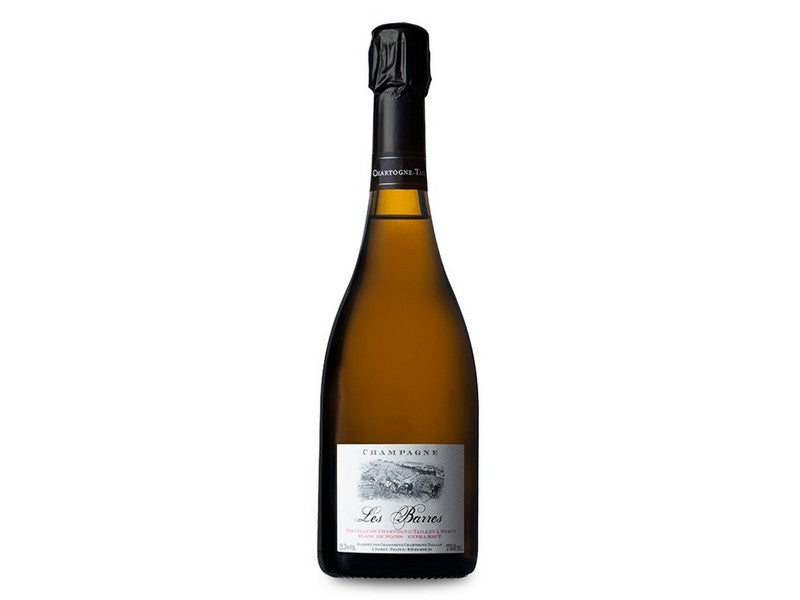
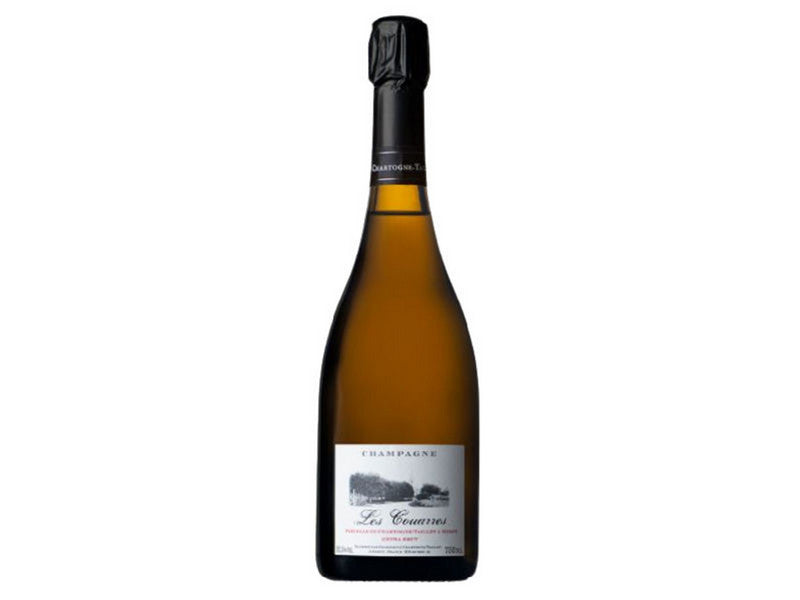
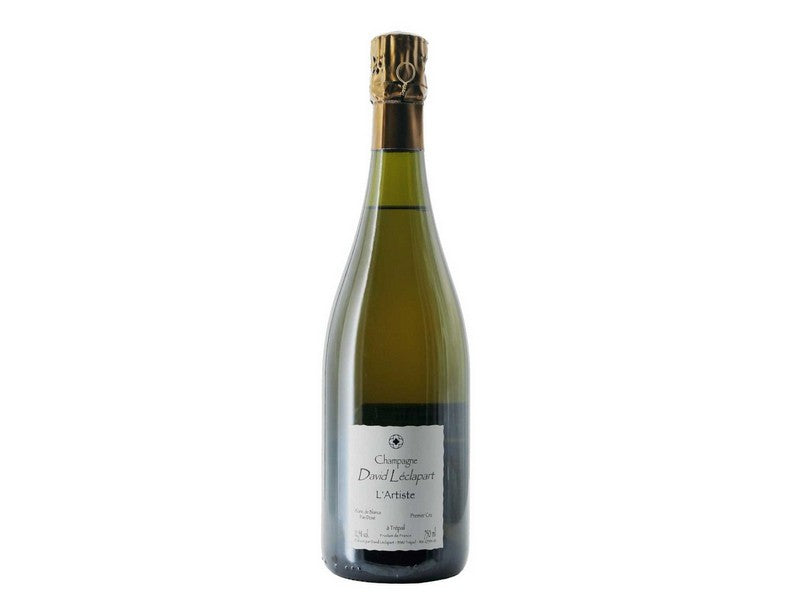
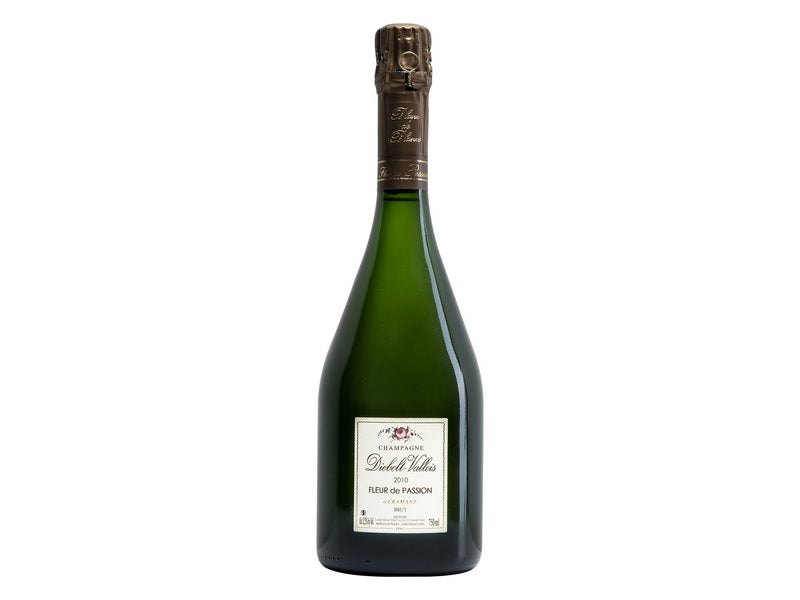
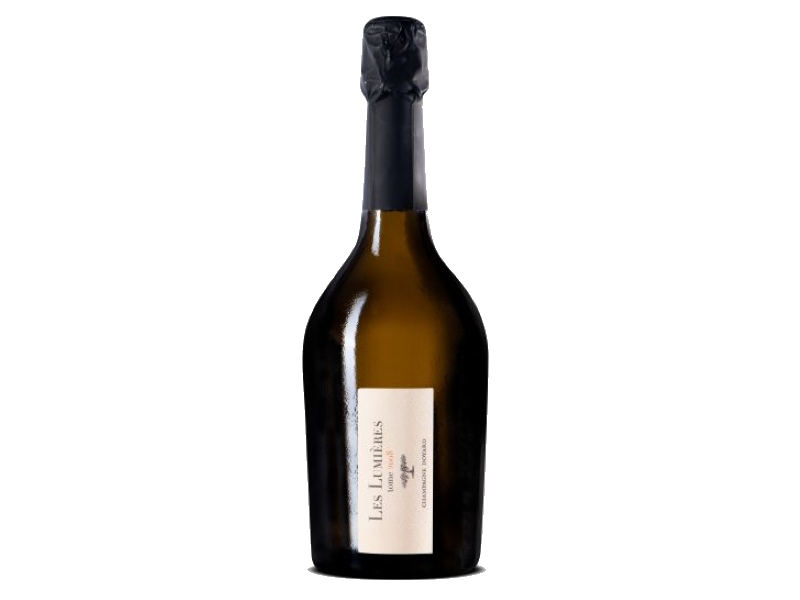
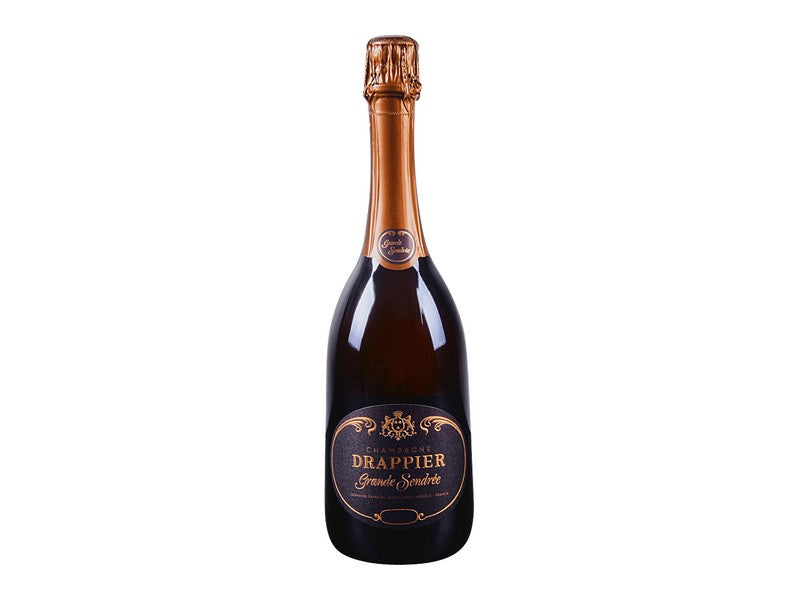
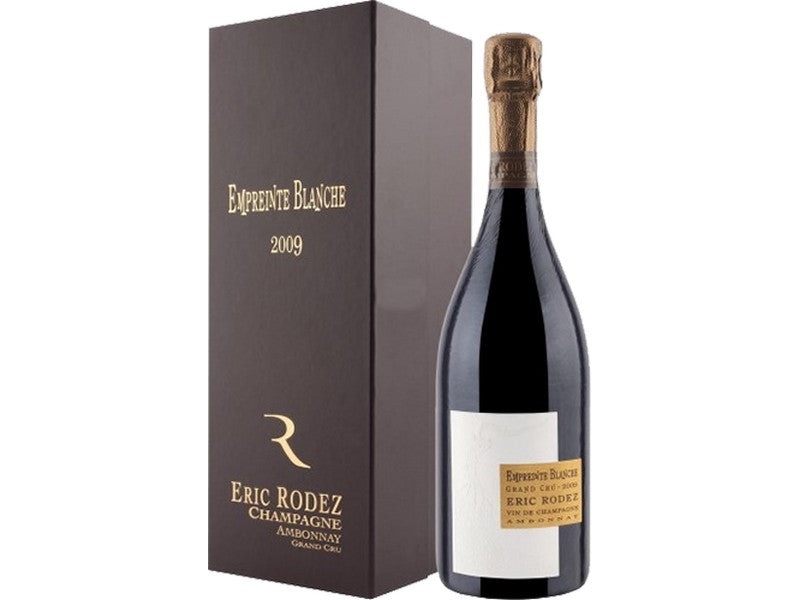
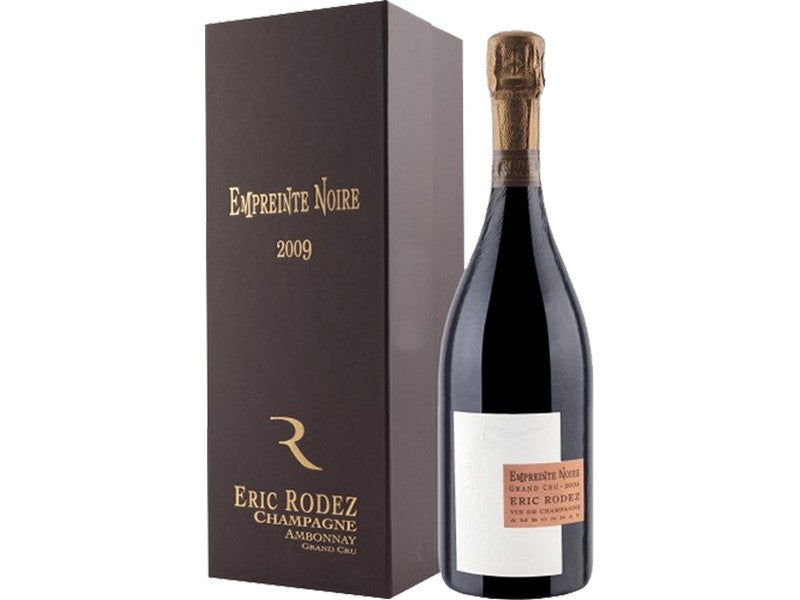
US consumers are increasingly looking beyond the big names to discover the unique expressions of grower Champagnes—wines made by the same people who grow the grapes.
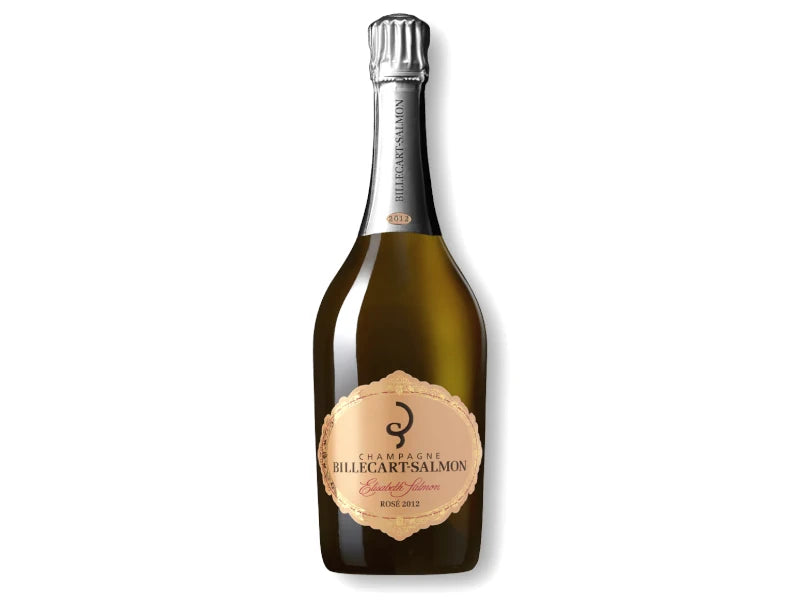
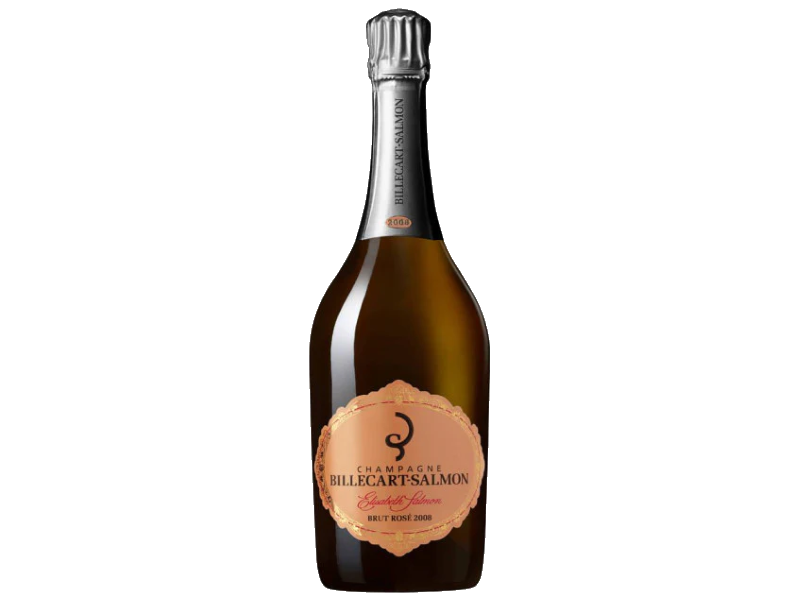
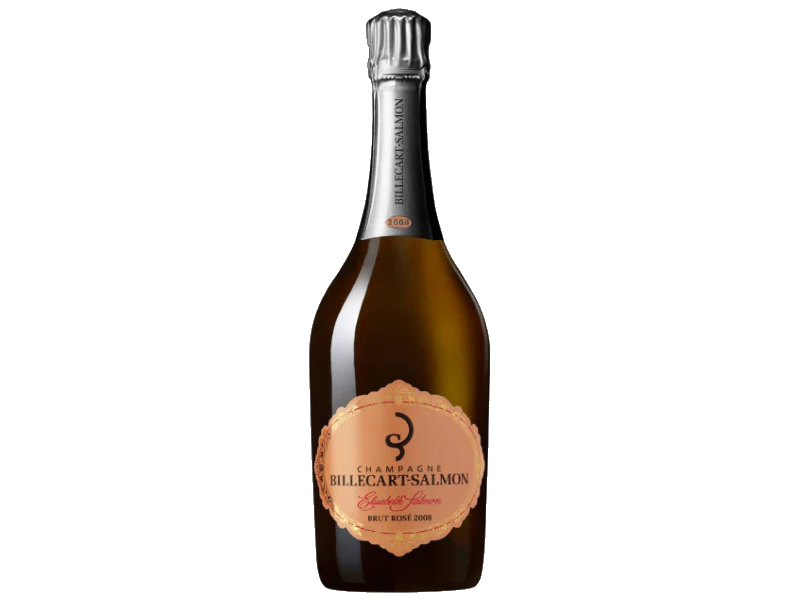
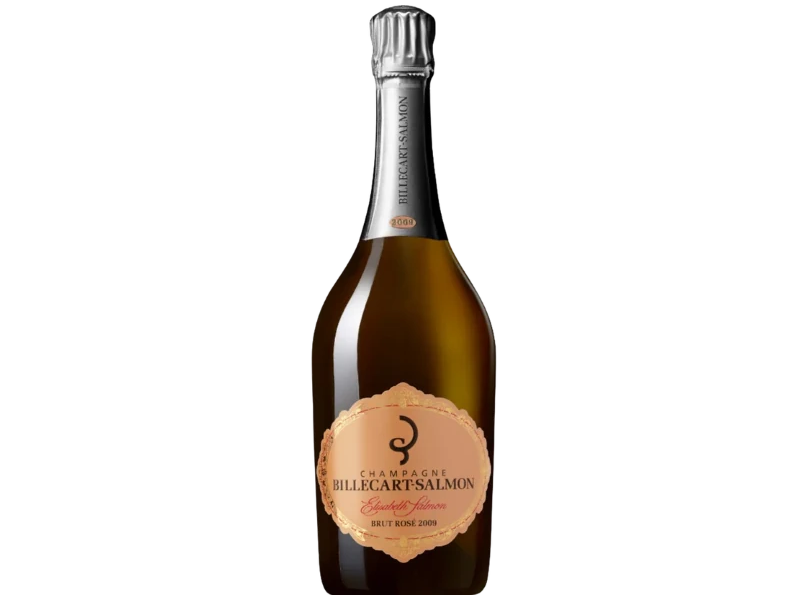
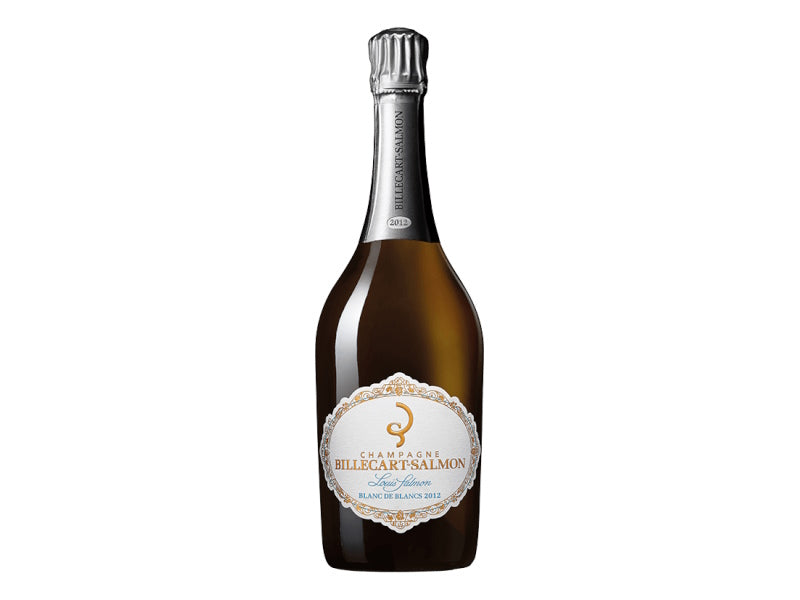
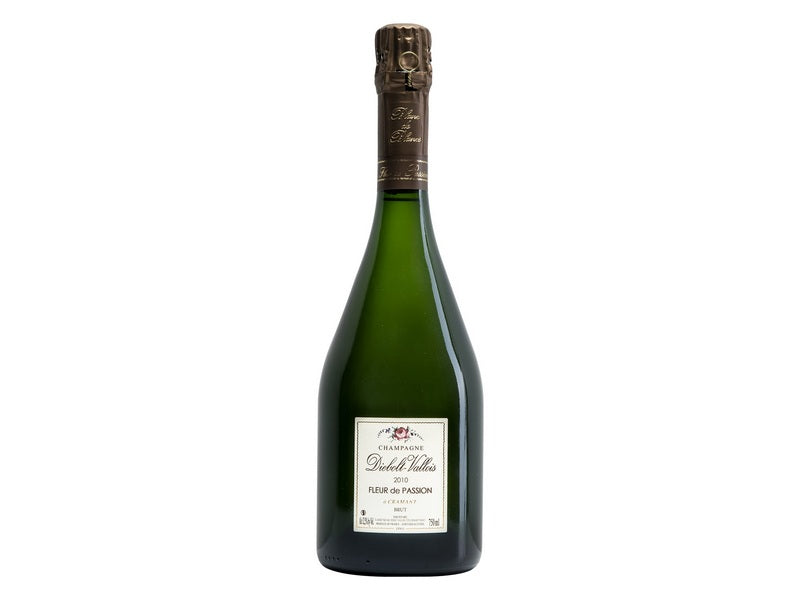
This trend is part of a broader movement towards wines with a strong sense of terroir and craftsmanship. At the same time, there's a growing appreciation for the diversity of styles within Champagne. Blanc de Blancs (100% Chardonnay) and Rosé Champagnes are gaining popularity, and there's a keen interest in vintage Champagnes, which reflect the character of a single harvest.
The popularity of specific styles and producers has led to what some are calling the "Sancerre effect" in Champagne.
As the prices of the most sought-after cuvées rise, it creates opportunities for other excellent, but less famous, producers and styles to shine. For the American wine lover, this means that 2026 is a year of discovery in the world of Champagne, with more high-quality choices available than ever before.
Sources: Bibendum Wine, Wine International Association, SevenFifty Daily, Maxim, The Champagne Company